
India's benchmark equity indices rose sharply this week, driven by a rally in information-technology stocks and falling crude-oil prices [1, 2].
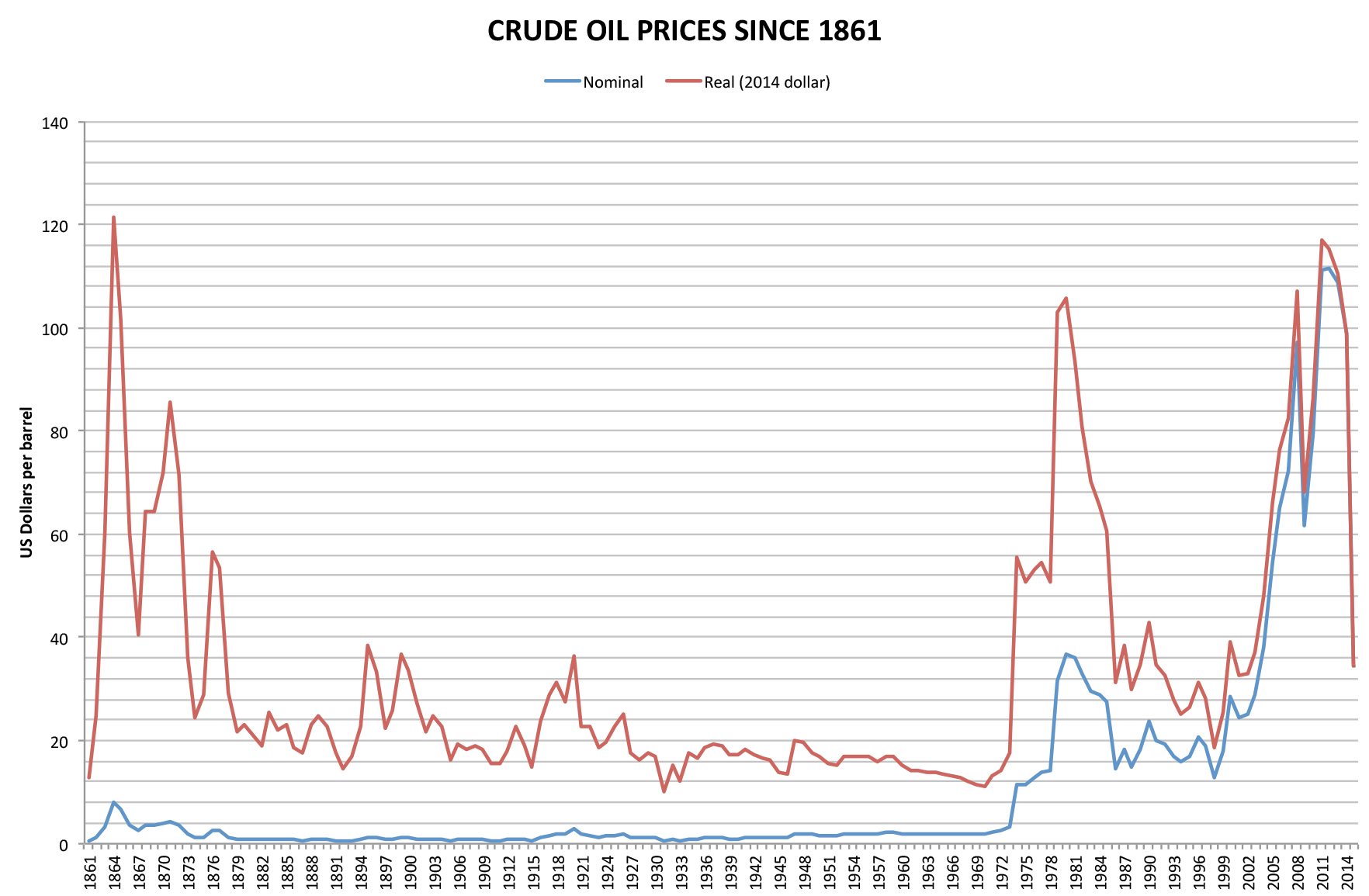
The surge reflects a shift in investor sentiment as geopolitical tensions ease. Because India imports a vast majority of its oil, lower global crude prices reduce inflationary pressure and improve the fiscal outlook for the broader economy.
The Sensex closed at 77,958.52, marking an increase of 941 points [1]. Earlier in the trading session, the index jumped 952 points to approximately 76,000 [3]. The Nifty 50 settled at 24,330.95, up 298 points [1], while other reports noted the index closed above the 23,400 level [4].
Market analysts said the gains were due to a combination of sectoral strength and global optimism. Investors heavily bought IT shares after news surfaced regarding a potential peace deal between the U.S. and Iran [1, 5]. This diplomatic progress triggered a decline in crude-oil prices, which fell by more than five percent [5].
The downward trend in oil prices typically boosts the Indian market, particularly the banking and auto sectors, by lowering input costs and improving consumer spending power [3]. The rally in IT stocks further suggests that investors are positioning themselves for growth in the services sector as global stability returns.
Trading activity on the National Stock Exchange and Bombay Stock Exchange in Mumbai showed strong momentum across multiple sectors [1]. The intersection of lower energy costs and a rebound in technology equities provided a dual catalyst for the day's gains [1, 5].
“The Sensex closed at 77,958.52, marking an increase of 941 points”
The market's reaction underscores India's vulnerability to global energy volatility. By linking equity performance directly to US-Iran diplomatic talks, the surge demonstrates that macroeconomic stability in India remains heavily dependent on external geopolitical resolutions that keep oil prices low.


