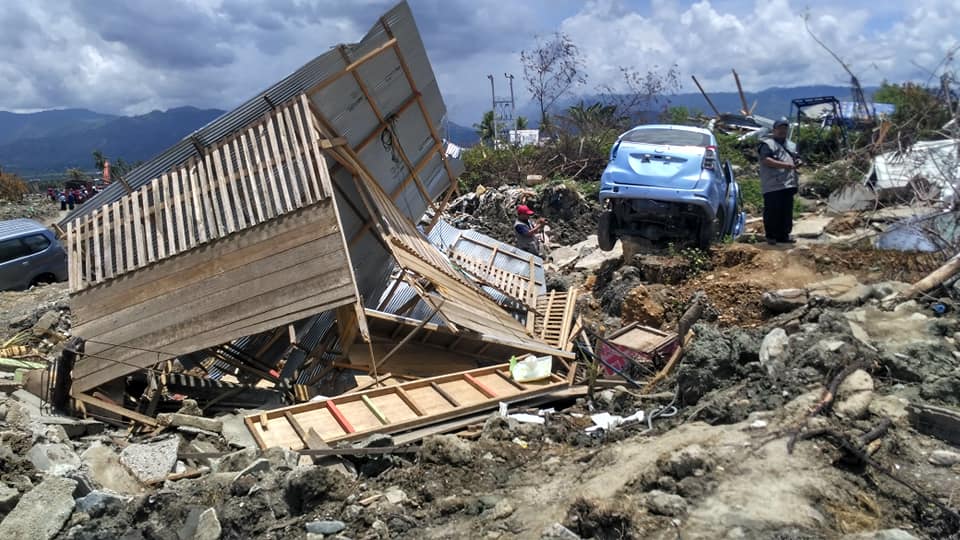
A 6.7-magnitude earthquake [1] struck southeast of Palu on Sulawesi island in Central Sulawesi, Indonesia, on Tuesday, June 16, 2026 [2].
The event underscores the persistent vulnerability of the region to seismic activity. Because Indonesia sits on the Pacific Ring of Fire, the nation remains prone to frequent and strong earthquakes [3, 4].
Reports indicate that one person died [2] following the tremor. The number of injured people varies across reports, with some sources stating at least eight people were injured [5], while others reported that dozens were hurt [2].
The quake caused scattered damage across the province. Impacted infrastructure includes homes, hotels, and bridges [2]. The shaking triggered evacuations as residents fled damaged buildings [4].
Emergency responses focused on the areas surrounding Palu, where the tremor was felt most strongly. Local authorities monitored the region for potential aftershocks following the initial 6.7-magnitude event [1].
While the death toll remained low compared to previous regional disasters, the structural damage to hotels and bridges highlights the ongoing risk to public infrastructure in Central Sulawesi [2].
“A 6.7-magnitude earthquake struck southeast of Palu on Sulawesi island.”
This earthquake demonstrates the continuous geological instability of the Indonesian archipelago. The fact that a 6.7-magnitude event caused widespread structural damage to bridges and hotels, despite a relatively low death toll, suggests that while disaster preparedness may have improved, the region's infrastructure remains highly susceptible to the seismic pressures of the Ring of Fire.


