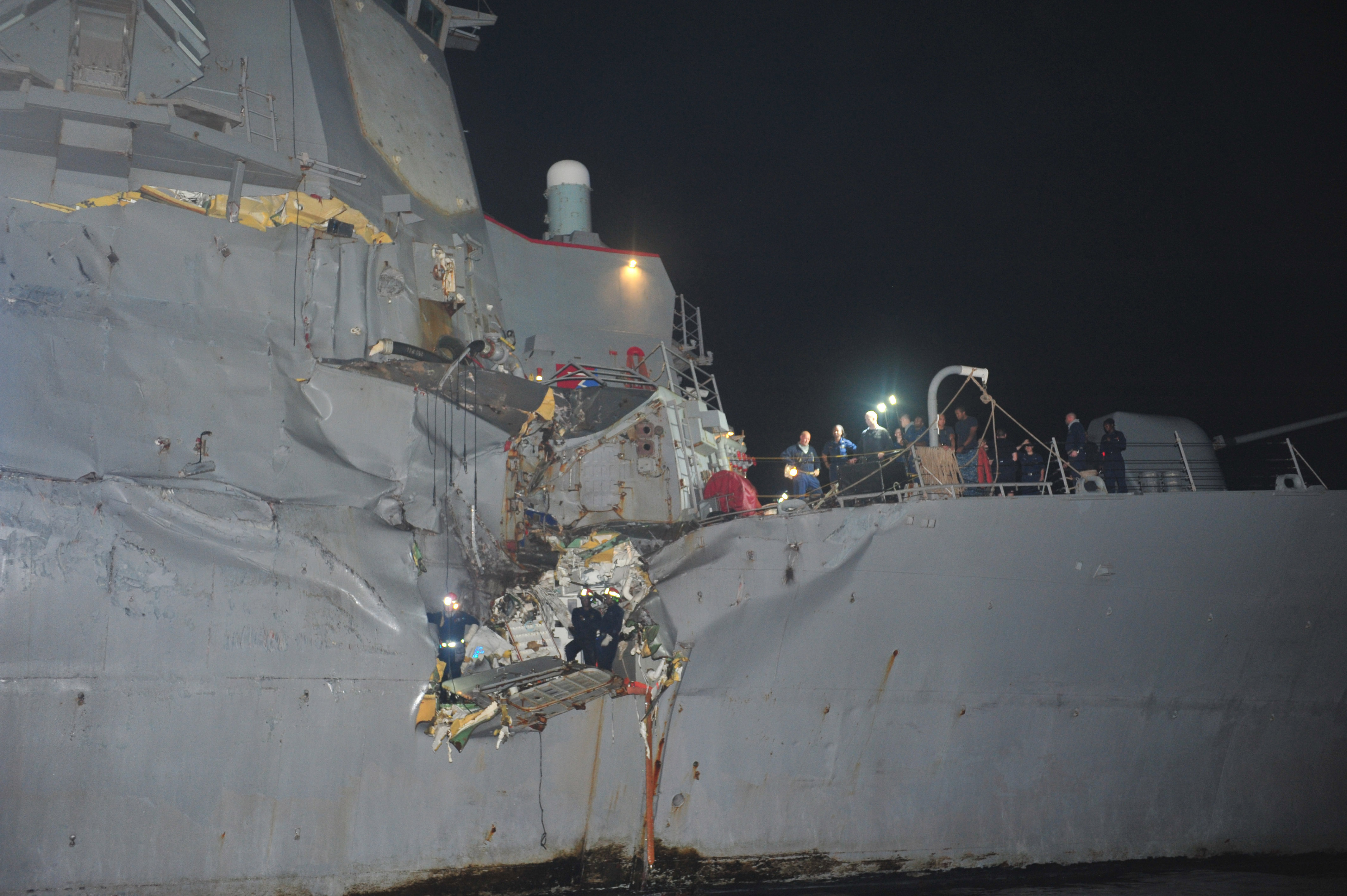
Iran is experiencing a severe economic crisis and historic inflation while continuing military exchanges with the U.S. despite reports of a ceasefire.
This volatility threatens regional stability and the internal security of the Iranian government. The combination of financial collapse and persistent warfare creates a precarious environment in the Strait of Hormuz, a critical global shipping lane.
Reports from May indicate that year-on-year inflation in Iran reached levels not seen since World War II [1]. This economic downturn has intensified pressure on the Iranian regime as the population struggles with the cost of living.
Contradictory reports have emerged regarding the status of the conflict. On June 16, Infobae reported that the war was ending, though economic pressure on authorities continued to grow [2]. However, other reports indicate that both countries continue to attack one another, suggesting the ceasefire may be nominal rather than functional [3].
Donald Trump said, "Trump dice que terminó el cese al fuego, pero ¿realmente?" [3]. The uncertainty surrounding the ceasefire is compounded by national pride and the impact of international sanctions, which hinder a full de-escalation of the conflict [3].
The European Union is also cited as a party involved in the broader geopolitical tensions affecting the region [3]. While there is no stated intention for a full-scale war, the cycle of attacks persists alongside the domestic financial collapse [3].
“Iran is experiencing a severe economic crisis and historic inflation.”
The divergence between official ceasefire claims and ongoing military activity suggests a 'frozen conflict' where neither side is willing to fully concede. When paired with inflation levels reminiscent of the 1940s, the Iranian government faces a dual threat: external military pressure and internal civil unrest driven by economic desperation.