
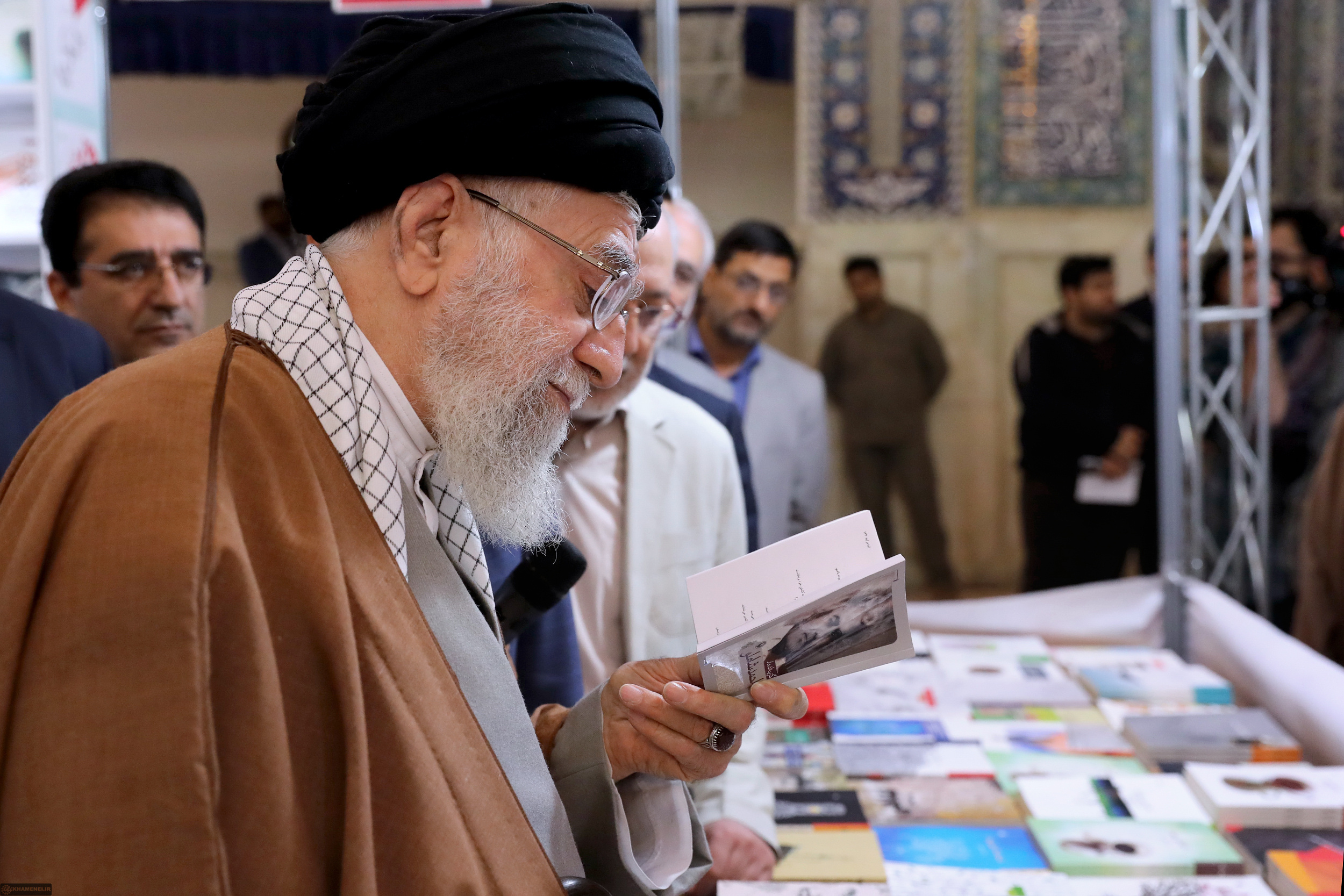
Iranian leadership has issued warnings that a deepening economic and social crisis could trigger broader unrest across the country [1, 2].
These warnings signal a growing anxiety within the government that the combination of sanctions and inflation may destabilize the state. The internal pressure stems from a critical rise in living costs that threatens to alienate the general population [1, 2].
Supreme Leader Ali Khamenei, President Masoud Bezhkian, and the Ministry of Intelligence have all identified the current economic climate as a primary risk [1, 2]. Officials said the country is facing a volatile mix of high inflation and social hardship [1, 2].
Beyond the immediate financial distress, the leadership has raised concerns regarding a potential hybrid war [1, 2]. This suggests that the government views economic instability not just as a domestic failure, but as a vulnerability that foreign adversaries could exploit to incite internal collapse [1, 2].
The Ministry of Intelligence has focused on how these deteriorating conditions create an environment ripe for disruption [1, 2]. The leadership said the deepening crisis is linked to ongoing sanctions and the resulting struggle to maintain basic living standards for citizens [1, 2].
As living costs continue to climb, the risk of spontaneous protests increases, a scenario the Iranian security apparatus is keen to avoid [1, 2]. The government remains focused on the intersection of economic misery and national security [1, 2].
“Iranian officials have increasingly warned that the country’s deepening economic crisis and rising living costs could trigger broader social unrest”
The admission of vulnerability by the highest levels of Iranian leadership, including the Supreme Leader, indicates that the economic crisis has reached a threshold where it is now viewed as a national security threat. By framing the crisis as a precursor to a 'hybrid war,' the government is linking domestic economic failure to foreign interference, potentially providing a justification for increased security crackdowns to prevent social unrest.


