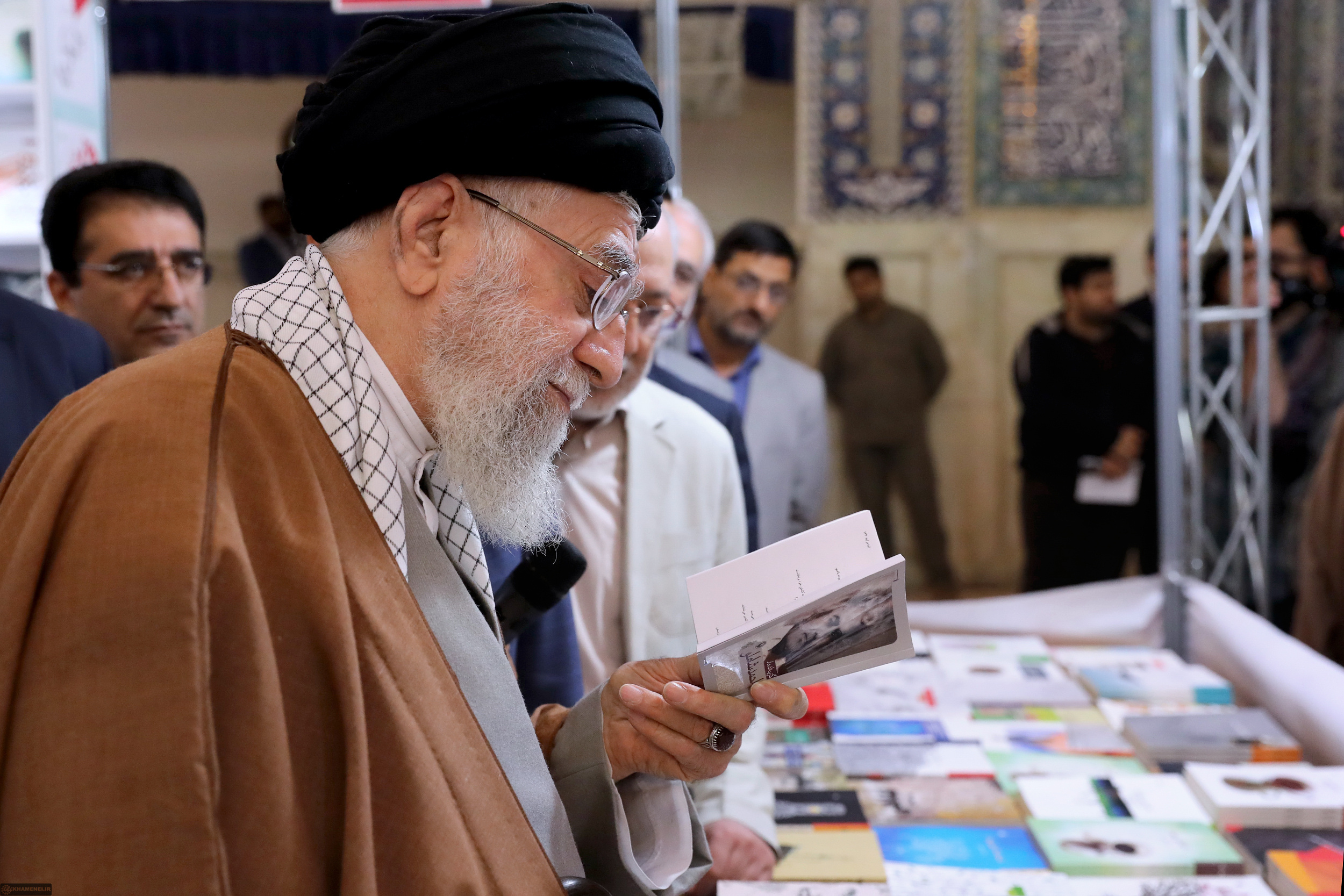
Iran began mass funeral rites on Saturday, Aug. 1, 2024, for Supreme Leader Ayatollah Ali Khamenei following his death [1].
The loss of the supreme leader creates a significant power vacuum in the Islamic Republic, as the position holds ultimate authority over the military, judiciary, and government.
Funeral prayers were held in Tehran, where reports indicate millions of people gathered to mourn the leader [2]. Other sources estimated the attendance at hundreds of thousands of mourners [3]. The ceremonies are described as days-long rites, with the leader's coffin laid out in the capital before further processions [4].
Iranian officials said the death was martyrdom, stating that Khamenei was killed in an airstrike during a period of war [4, 5]. This designation as a martyr elevates the political and religious significance of the funeral ceremonies within the country.
Following the initial prayers in Tehran, additional rites are planned for other major cities and regions. These include scheduled ceremonies in Qom and Mashhad, as well as events in Iraq [1, 3].
Despite the widespread reports of the funeral, some conflicting accounts emerged during the period. One report indicated that Khamenei was leading funeral prayers for another figure, Ismail Haniyeh, rather than being the subject of the rites himself [6]. However, multiple outlets continued to report the commencement of the supreme leader's own funeral processions [3, 4].
“Millions gathered in Tehran for the funeral prayers”
The death of Ayatollah Ali Khamenei marks a pivotal transition for Iran. Because the supreme leader is the final arbiter of Iranian policy, his absence triggers a complex succession process managed by the Assembly of Experts. The framing of his death as a martyrdom due to an airstrike likely serves to galvanize domestic support and justify potential escalations in regional conflicts.
'%2F%3E%0A%20%20%20%20%3Crect%20width%3D'1600'%20height%3D'900'%20fill%3D'url(%23v)'%2F%3E%0A%20%20%20%20%3Cg%20opacity%3D'0.08'%20fill%3D'%23ffffff'%3E%0A%20%20%20%20%20%20%3Ccircle%20cx%3D'1420'%20cy%3D'180'%20r%3D'220'%2F%3E%0A%20%20%20%20%20%20%3Ccircle%20cx%3D'1500'%20cy%3D'760'%20r%3D'120'%2F%3E%0A%20%20%20%20%3C%2Fg%3E%0A%20%20%20%20%3Cline%20x1%3D'80'%20y1%3D'172'%20x2%3D'220'%20y2%3D'172'%20stroke%3D'%23ffffff'%20stroke-width%3D'3'%20stroke-opacity%3D'0.6'%2F%3E%0A%20%20%20%20%3Ctext%20x%3D'80'%20y%3D'140'%20font-family%3D'Inter%2C%20-apple-system%2C%20Helvetica%2C%20sans-serif'%20font-weight%3D'700'%20font-size%3D'28'%20fill%3D'%23ffffff'%20letter-spacing%3D'6'%3EHANNA%20%C2%B7%20NEWS%3C%2Ftext%3E%0A%20%20%20%20%3Ctext%20x%3D'80'%20y%3D'230'%20font-family%3D'Inter%2C%20-apple-system%2C%20Helvetica%2C%20sans-serif'%20font-weight%3D'600'%20font-size%3D'40'%20fill%3D'%23ffffffb3'%20letter-spacing%3D'4'%3EWORLD%3C%2Ftext%3E%0A%20%20%20%20%3Ctext%20x%3D'80'%20y%3D'694'%20font-family%3D'Playfair%20Display%2C%20Georgia%2C%20serif'%20font-weight%3D'800'%20font-size%3D'110'%20fill%3D'%23ffffff'%20letter-spacing%3D'-1'%3EIndia%20and%20Qatar%20Discuss%3C%2Ftext%3E%3Ctext%20x%3D'80'%20y%3D'820'%20font-family%3D'Playfair%20Display%2C%20Georgia%2C%20serif'%20font-weight%3D'800'%20font-size%3D'110'%20fill%3D'%23ffffff'%20letter-spacing%3D'-1'%3EEnergy%20and%20Trade%20in%20Doha%3C%2Ftext%3E%0A%20%20%20%20%3Ctext%20x%3D'80'%20y%3D'870'%20font-family%3D'Inter%2C%20-apple-system%2C%20Helvetica%2C%20sans-serif'%20font-weight%3D'500'%20font-size%3D'22'%20fill%3D'%23ffffff66'%20letter-spacing%3D'2'%3Enews.hanna-ai.com%3C%2Ftext%3E%0A%20%20%3C%2Fsvg%3E)

