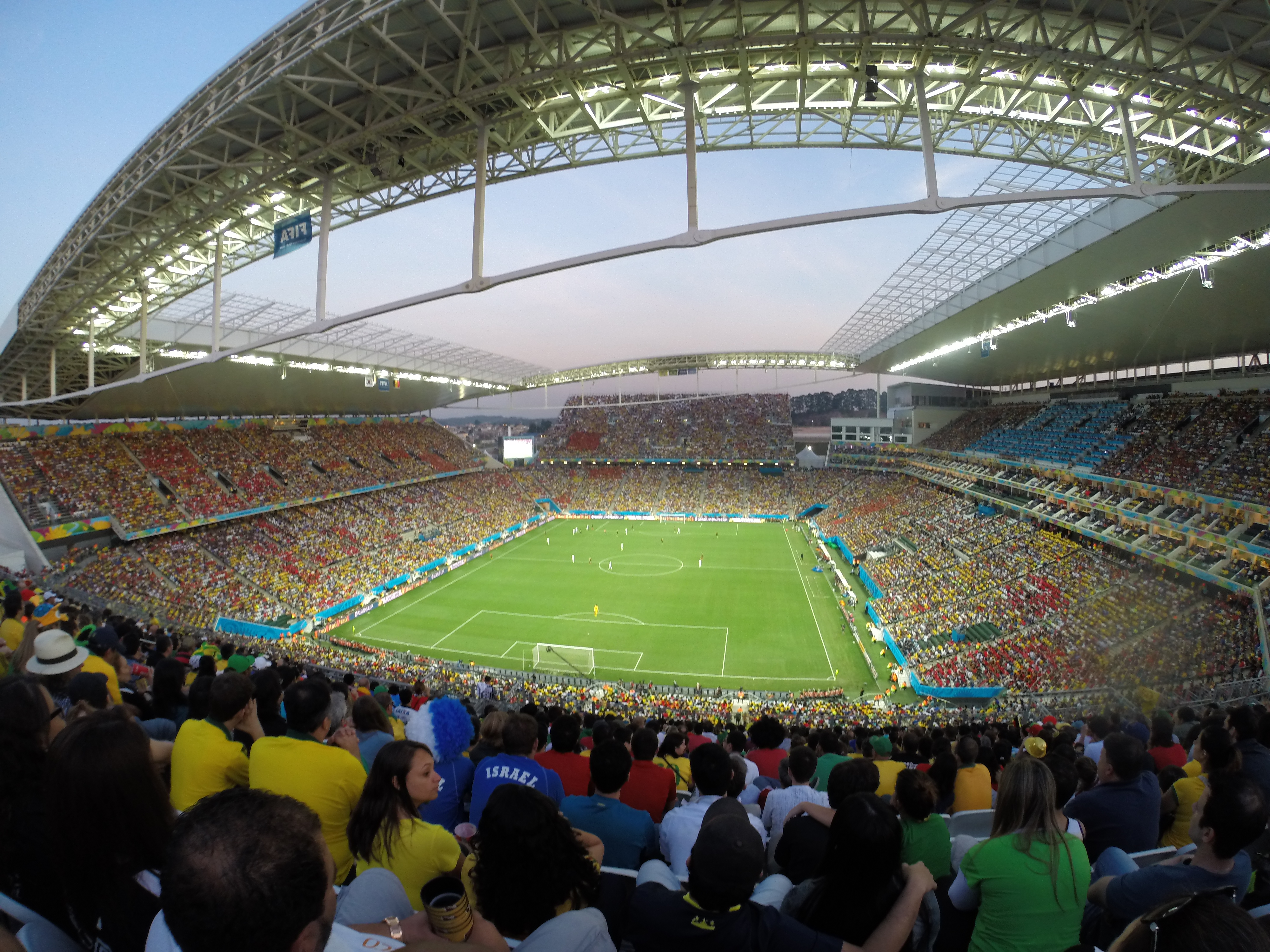
More than 5,000 Iranians gathered at SoFi Stadium in Inglewood on Monday, June 14, 2026, for Iran's opening FIFA World Cup match [2, 3].
The event took place while Iran is engaged in an armed conflict with the U.S. and Israel that has lasted several weeks [2, 4]. This juxtaposition of international sport and geopolitical warfare created a volatile atmosphere where national pride collided with political protest.
Supporters and members of the Iranian diaspora filled the stands to cheer for the national team, known as Team Melli [1]. For many attendees, the match served as a rare opportunity to celebrate their cultural identity in a public forum. Ali Reza, a 34-year-old Iranian-American, said, "We just want to celebrate our country and our team, not politics" [1].
However, the mood was not entirely celebratory. Team captain Mehdi Taremi acknowledged the grim reality of the tournament's timing. "We are playing under the shadow of war, and it is not a joyful experience," Taremi said [2].
The stadium became a site of conflicting expressions. When the Iranian national anthem played, the crowd responded with a mixture of cheers and boos [5]. While some fans used the platform to display hope and unity through supportive chants, others utilized the visibility of the World Cup to protest the policies of the government in Tehran, and the ongoing war [1, 5].
Despite these tensions, thousands of supporters remained in attendance to witness the debut [6]. The presence of the diaspora in Los Angeles highlighted the complex relationship between Iranian citizens and their homeland, especially as the match occurred on the soil of a primary adversary [3].
“"We are playing under the shadow of war, and it is not a joyful experience,"”
The gathering at SoFi Stadium illustrates the tension between sports as a tool for diplomacy and sports as a backdrop for political grievance. By hosting a national team from a state currently at war with the host nation, the event highlighted the divide between the Iranian government and the diaspora, where cultural patriotism often exists independently of political alignment with Tehran.