Italy temporarily suspended the Schengen free-movement agreement with Spain on July 31 [1], re-introducing border controls for non-EU citizens traveling by air or sea [2].
This move signals a significant fracture in the European Union's open-border policy. By reinstating checks, Italy is reacting to a security crisis in North Africa that threatens to destabilize regional migration management.
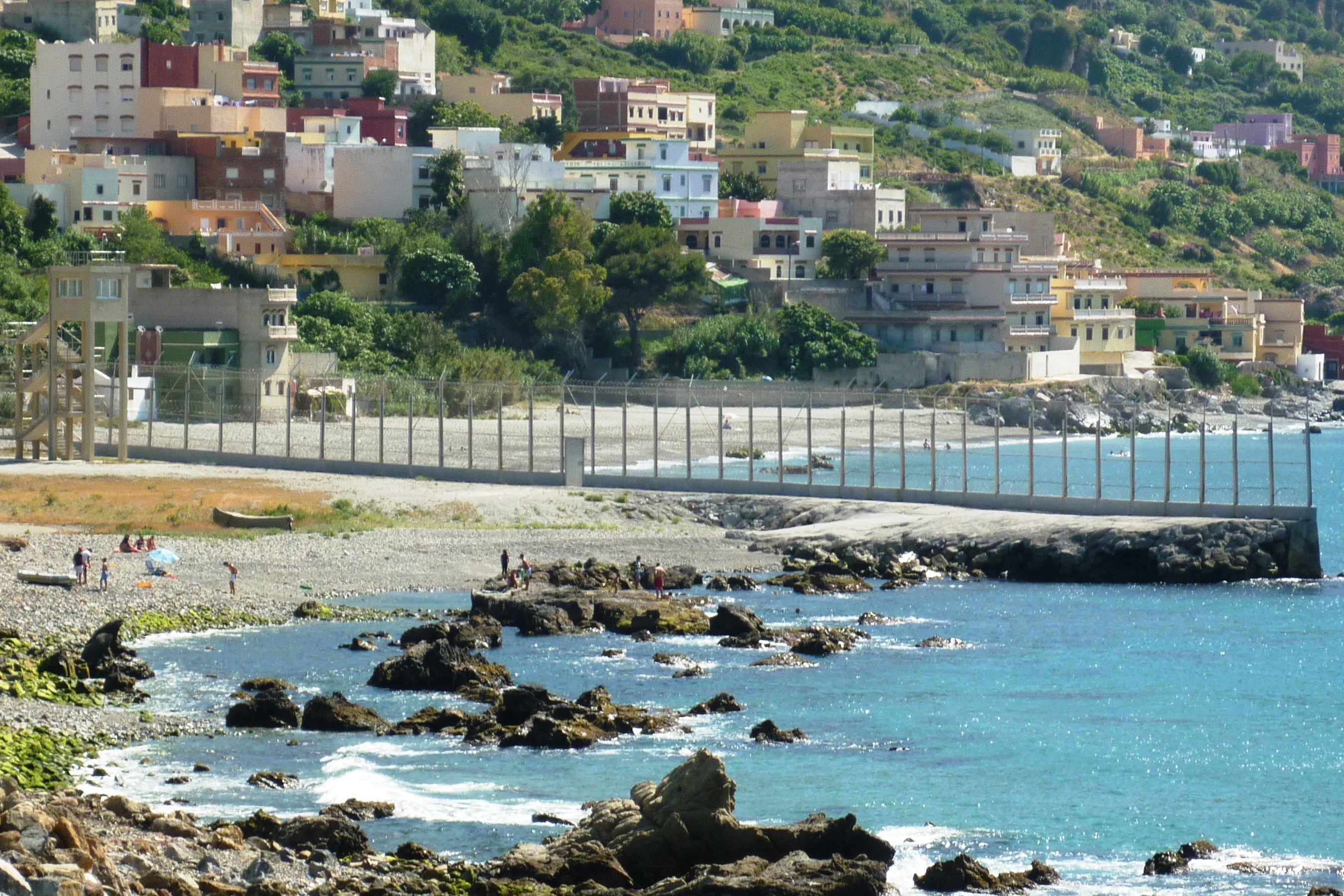
The decision follows a massive influx of approximately 60,000 migrants [3] from Morocco into Ceuta, a Spanish enclave located on the North African coast [1]. The scale of the crossing has overwhelmed local authorities and prompted a severe diplomatic response from Madrid.
Spain said the sudden arrival of thousands of Moroccan nationals was an attack on its territorial integrity [2]. The Spanish government has been working to manage the surge of people attempting to enter the European Union through the enclave [1].
In response to the volatility in Ceuta, the Italian government announced the suspension from Rome [2]. The measures specifically target non-EU citizens, effectively ending the seamless travel typically guaranteed under the Schengen Agreement for those moving between the two Mediterranean nations [2].
Officials said the suspension is a temporary measure [2]. However, the action highlights the fragility of the borderless zone when faced with large-scale irregular migration events, an issue that has long strained relations between EU member states.
“Italy temporarily suspended the Schengen free-movement agreement with Spain”
The suspension of the Schengen agreement between Italy and Spain demonstrates how localized migration crises can trigger a domino effect of border closures across Europe. By framing the influx as an attack on territorial integrity, Spain and Italy are prioritizing national security over the EU's ideal of a borderless interior, potentially setting a precedent for other member states to unilaterally reinstate controls during perceived emergencies.


