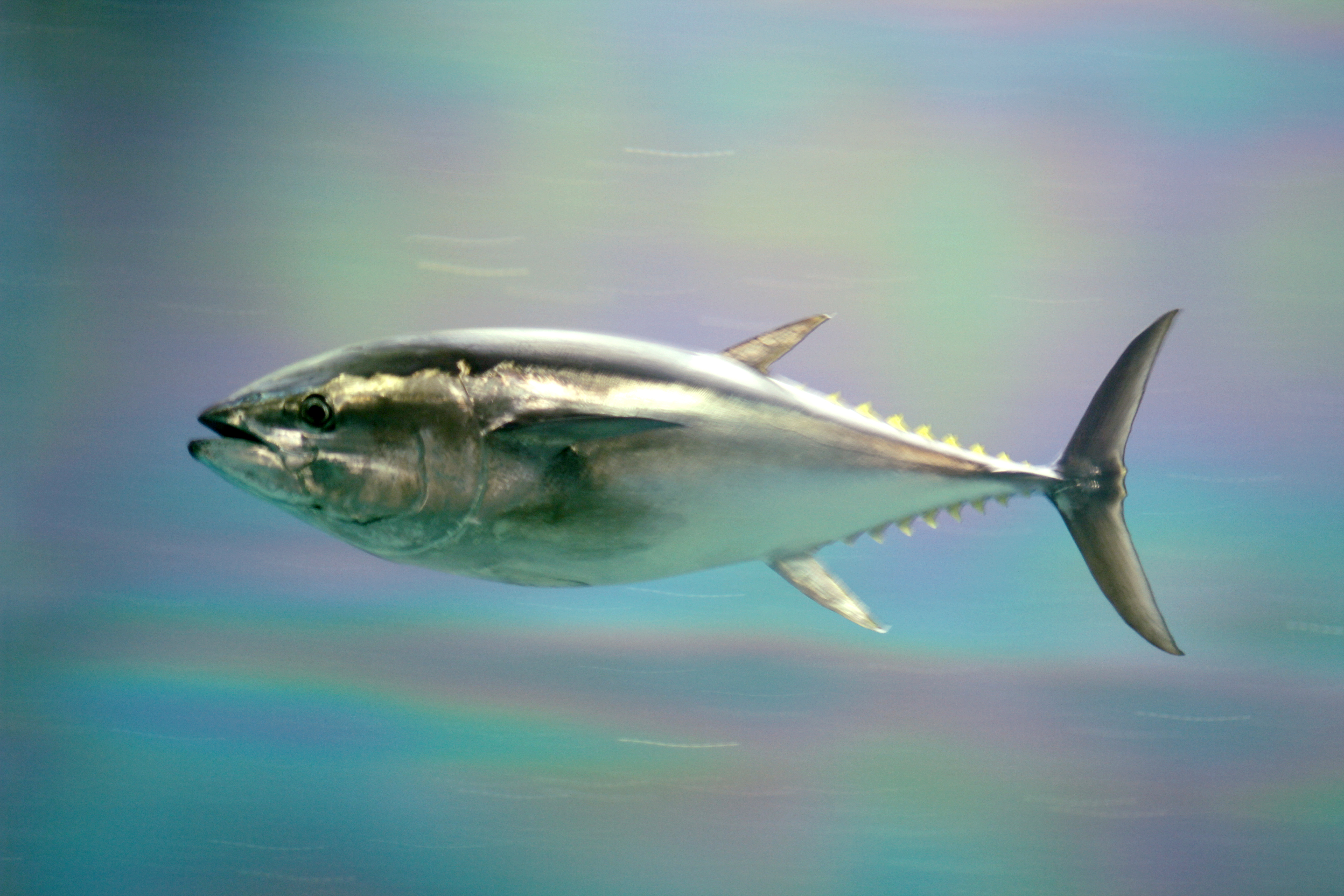
Japanese fishermen are discarding high-value Pacific bluefin tuna after Mexico blocked a proposal to increase international catch limits [1, 2].
This deadlock highlights the tension between immediate economic losses for fishing communities and long-term global conservation efforts to prevent species collapse.
In the Horonai district of Hokkaido, fishermen have reached their legal landing limits. Because they cannot legally sell additional fish, some are forced to release captured tuna back into the ocean [1].
"The union has already reached the quantity that can be landed," said Yoshimi Kawaharada, a representative of the Horonai Fishery Department. "So we can't land any more. From now on, we go offshore and throw them away" [1].
The financial loss is significant for the local fleet. A single large bluefin tuna can weigh approximately 100 kilograms [1] and carry a market value of about 100,000 yen [1]. In one instance, five tuna were captured in a single net [1].
To address the surplus, the Japanese government proposed expanding the catch quota. Reports vary on the exact scale of the proposal; one source said Japan sought a 25% increase [2], while another reported a request to double the limit [3].
The proposal was brought to the Western and Central Pacific Fisheries Commission (WCPFC) meeting held in London in early July 2026 [1, 3]. Despite Japan's efforts, the commission failed to reach an agreement because Mexico supported an alternative plan [2].
Mexico's opposition is rooted in resource protection. While Japan sought to legalize the over-catch to avoid waste and financial loss, Mexico said stricter adherence to conservation limits was necessary to ensure the survival of the species [2].
“"The union has already reached the quantity that can be landed... we go offshore and throw them away"”
The failure to reach a consensus at the WCPFC underscores a fundamental conflict in international maritime law: the clash between national economic interests and multilateral environmental quotas. For Japan, the 'waste' of discarding fish is an economic and ethical crisis, but for nations like Mexico, increasing quotas during a recovery period for the species could risk a total population collapse.


