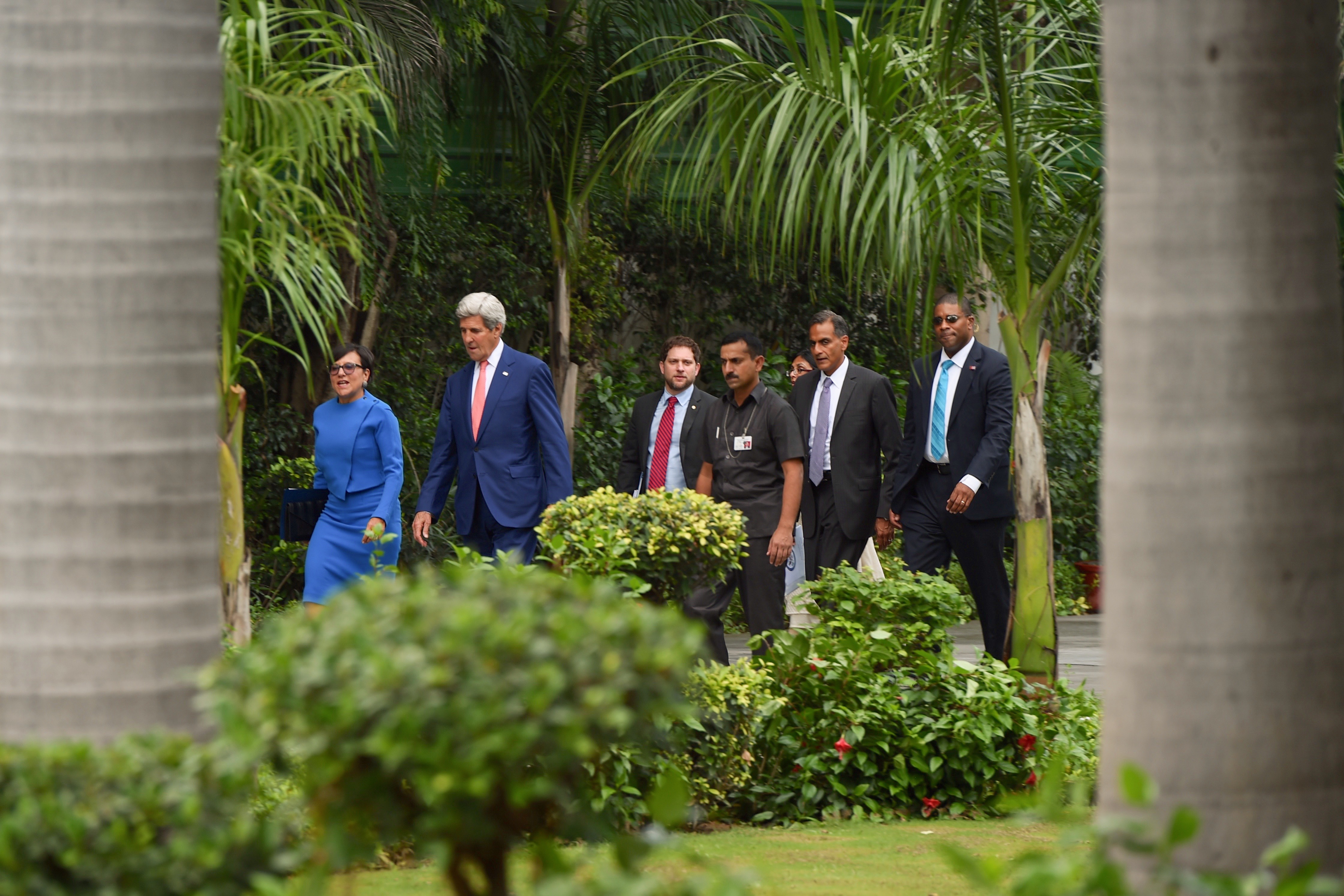
D.K. Shivakumar has been sworn in as the 24th chief minister of Karnataka [1].
The appointment establishes a new state government tasked with balancing complex caste and regional interests while managing internal party dynamics. The composition of the leadership suggests a power-sharing arrangement between the new chief minister and senior party figures.
G. Parameshwara has assumed the role of deputy chief minister [1]. While Shivakumar holds the top executive position, the surrounding administration reflects the enduring political reach of senior Congress leader Siddaramaiah [1].
The new cabinet consists of 13 members [2]. This group includes the son of Siddaramaiah and several other loyalists to the 77-year-old leader [2]. The selection of these officials indicates that Siddaramaiah continues to exert significant influence over the state's governance structure despite not holding the chief ministership.
Early initiatives from the new administration are expected to focus on youth welfare. The government aims to address regional disparities, and caste representation through its current staffing and policy priorities [1], [2].
Observers said that the cabinet structure functions as a compromise. By placing loyalists of a senior leader in key positions, the party seeks to maintain stability across its various factions—a strategy common in the state's complex political landscape [1].
“D.K. Shivakumar has been sworn in as the 24th chief minister of Karnataka”
The formation of this cabinet suggests a hybrid power structure where D.K. Shivakumar provides the public face of leadership, but the operational and political machinery remains tied to Siddaramaiah's network. This arrangement is likely designed to prevent internal party fractures by ensuring that the influence of senior leaders is preserved through their proxies in the 13-member team.