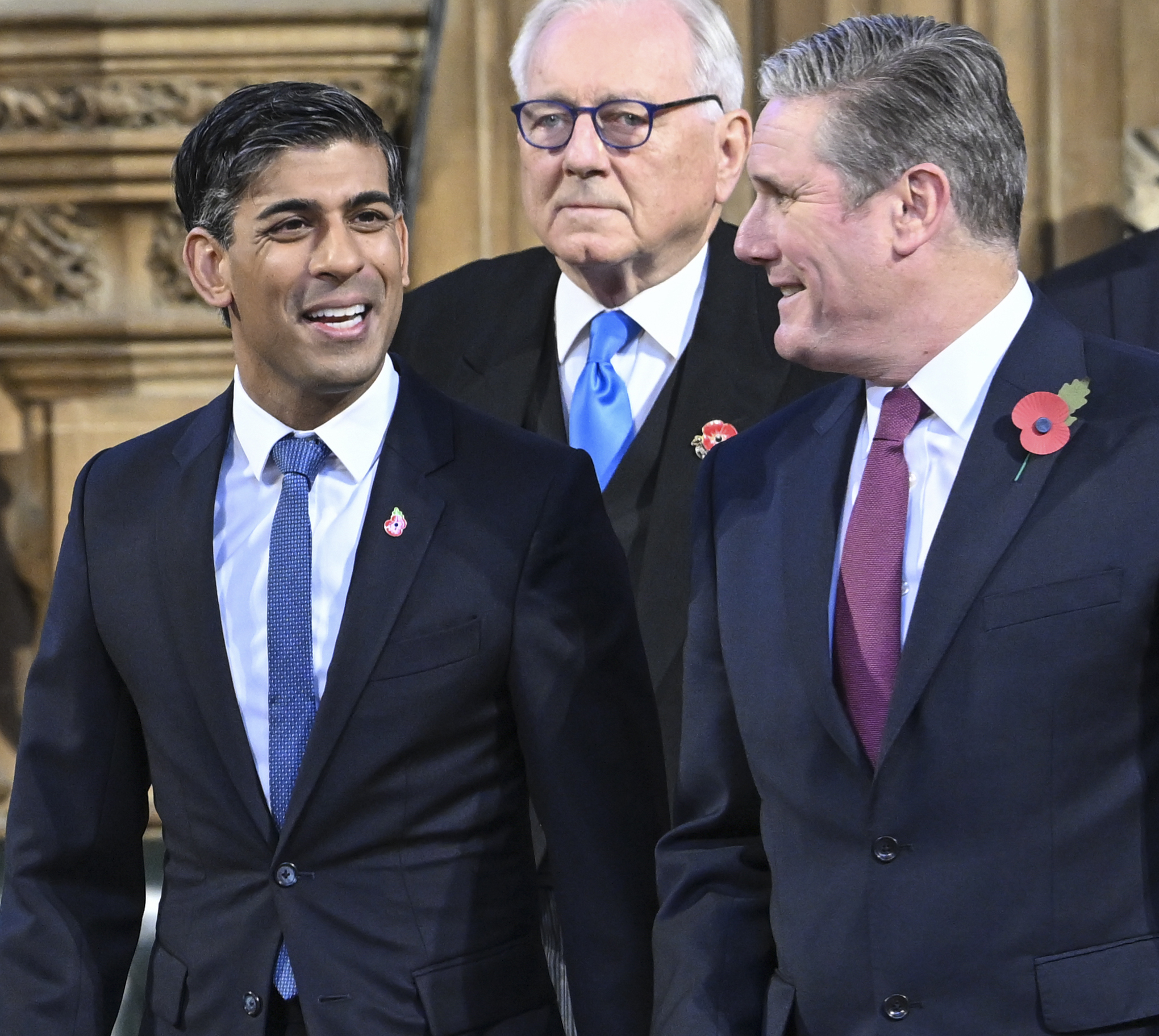
British Prime Minister Keir Starmer has refused to step down despite calls for his resignation from ministers and dozens of Labour lawmakers [1, 2].
The leadership crisis threatens the stability of the UK government as internal dissent grows over perceived failures in leadership and governance [1, 4].
The unrest peaked in May 2026, with reports indicating that more than 80 MPs have demanded the Prime Minister's exit [1]. Other reports suggest a different scale of opposition, stating that approximately one-fifth of Labour Party lawmakers are calling for him to step down [2].
High-level resignations have further weakened Starmer's position. Health Secretary Wes Streeting [4] and Communities Minister Miatta Fahnbulleh [1] both resigned from their posts during the turmoil. These departures signal a deepening rift within the cabinet, which is typically expected to maintain a unified front in public.
Despite the mounting pressure from his own party, Starmer has remained defiant. He has signaled his intent to maintain his position and continue his agenda.
"I will get on with governing," Starmer said [3].
The situation has led to widespread speculation regarding a potential leadership contest within the Labour Party [4]. While some reports suggest other cabinet members have broken ranks to call for his departure, the primary confirmed resignations remain centered on the health and communities portfolios [1, 4].
“"I will get on with governing."”
The scale of the revolt—ranging from a fifth of the party to over 80 lawmakers—suggests a fundamental breakdown in trust between the Prime Minister and his parliamentary base. While Starmer's refusal to quit maintains the status quo for now, the loss of key figures like the Health Secretary limits his ability to implement major policy shifts without facing further internal sabotage.


