
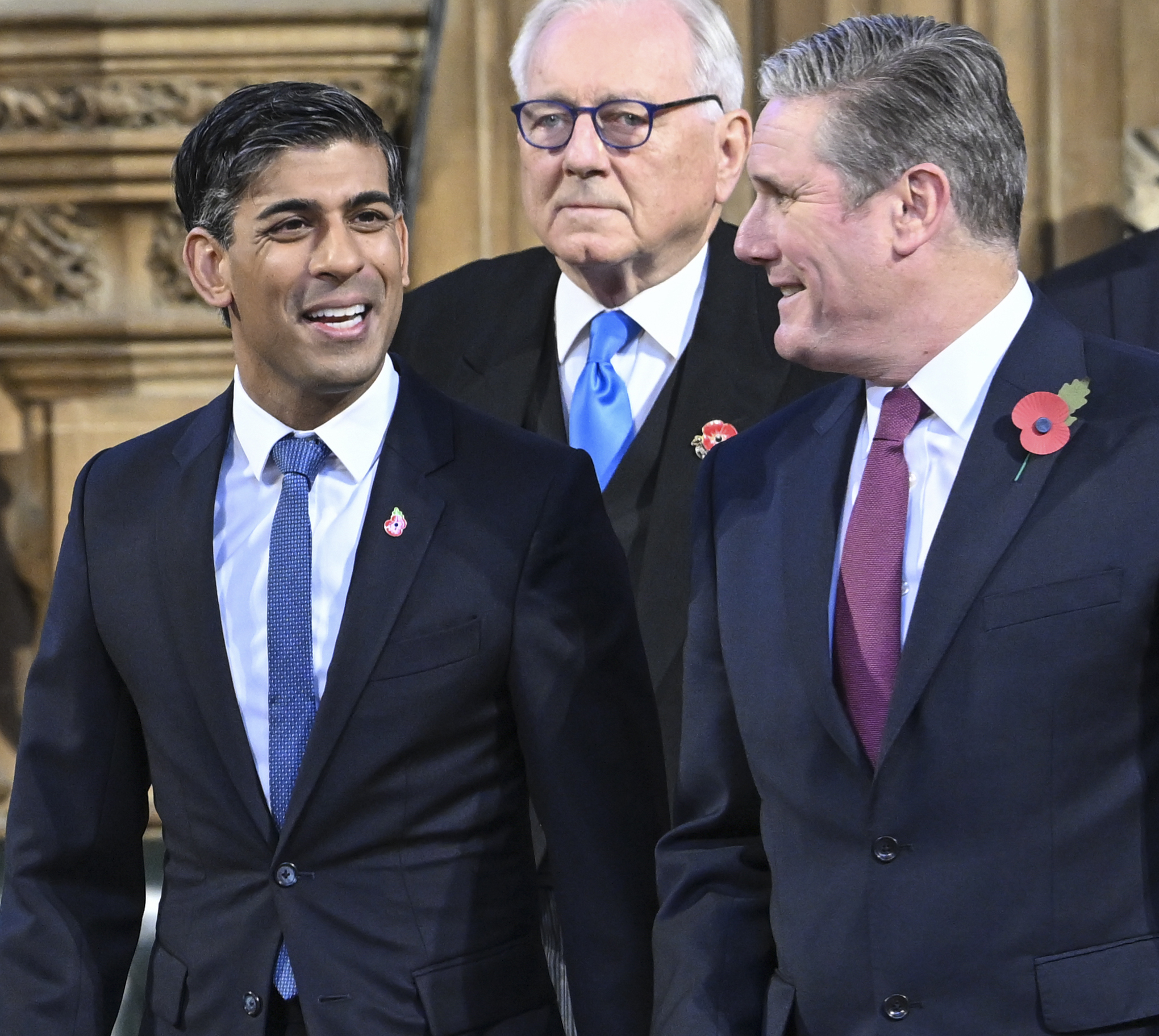
UK Prime Minister Sir Keir Starmer is facing intensified pressure to resign as internal dissent grows within the Labour Party.
The instability threatens the government's ability to maintain a unified front in Westminster while the party grapples with deep-seated divisions over Brexit and a series of scandals.
Nearly 90 MPs have urged Starmer to step down [1]. The unrest has already led to the resignation of five ministers [1]. This wave of departures and calls for a leadership change has fueled speculation about whether the prime minister will fight a potential leadership contest.
Starmer has remained defiant in the face of the revolt. "I will get on with governing," Starmer said [2].
Culture Secretary Lisa Nandy defended the prime minister's resolve. "He has shown before that he's up for a fight and I wouldn't write off the prime minister," Nandy said [2].
The turmoil reflects a broader struggle within the Labour Party. Critics point to Brexit-related divisions and recent scandals as primary drivers for the current instability [3]. These fractures have left the leadership vulnerable to challenges from both senior figures and backbenchers.
As the government faces extended uncertainty, the focus remains on whether the prime minister can consolidate support or if the volume of resignations will force a formal leadership challenge. The situation highlights the fragile balance Starmer must maintain to keep his coalition of MPs together, a task complicated by the scale of the current dissent.
“Nearly 90 MPs have urged Starmer to step down.”
The scale of the rebellion—specifically the loss of five ministers and the alignment of nearly 90 MPs—suggests a systemic breakdown in trust between the prime minister and his parliamentary party. If Starmer cannot quell this dissent, the UK may face a leadership transition that could shift the party's strategic approach to Brexit and internal governance.


