
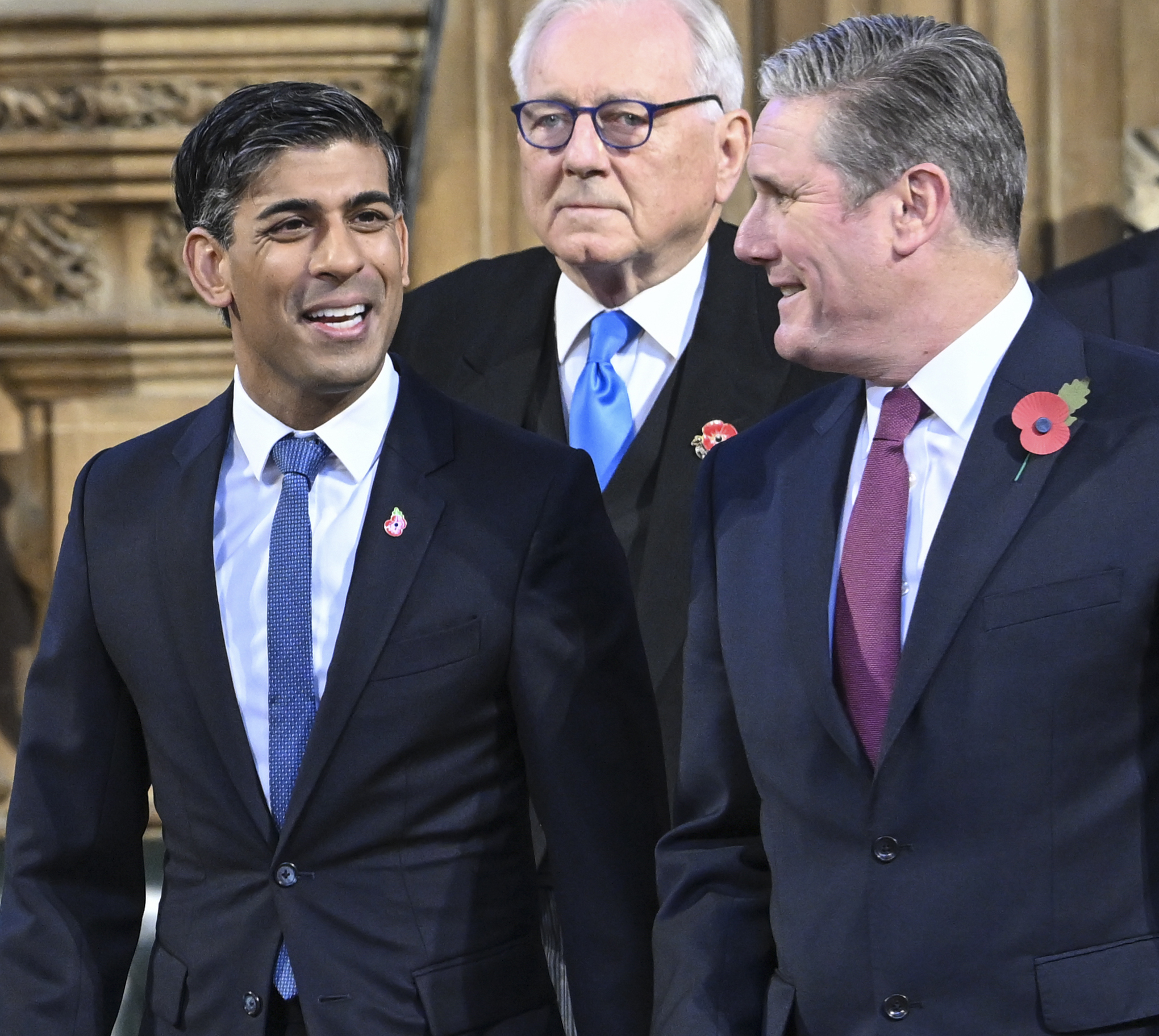
UK Prime Minister Keir Starmer is facing pressure to resign as senior ministers quit and dozens of lawmakers demand his departure.
The crisis threatens the stability of the British government following a period of sharp decline in public popularity for the Labour party. This internal revolt suggests a collapse of confidence within the party's own ranks despite their previous electoral success.
Four ministers have resigned from their positions [1]. This wave of departures coincides with a public campaign for leadership change, with more than 80 MPs now urging Starmer to step down [1].
Commentators suggest the prime minister's tenure is nearing an end. Tom Slater said, "We are entering the final days; it’s just a question of when, rather than if" [2].
The current instability follows a transition from a landslide majority to a period of significant unpopularity. Slater said, "Going from a landslide majority to the most disliked prime minister in recorded history is a story of Labour failure I don't think we've seen for many generations" [2].
The pressure centers on Westminster, where the loss of support within the Labour party has become critical. The combination of ministerial exits and the volume of dissenting MPs has placed Starmer's leadership on the brink [2].
“More than 80 MPs are publicly urging Starmer to step down.”
The scale of the rebellion—specifically the threshold of 80 MPs—indicates a systemic failure of leadership rather than a localized policy dispute. If Starmer cannot consolidate support quickly, the UK may face a leadership contest that could destabilize the government's legislative agenda and further erode public trust in the Labour party's ability to govern.


