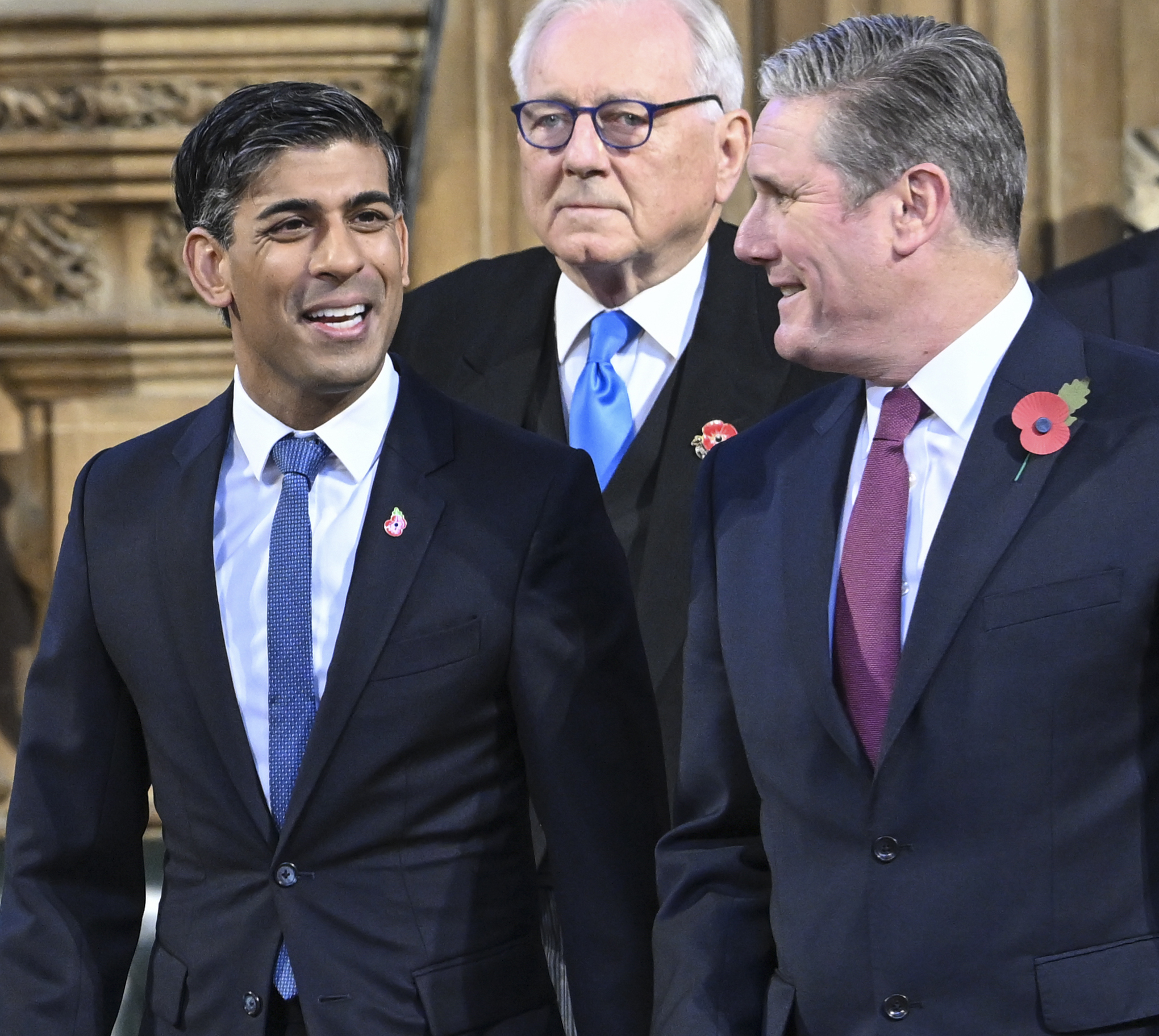
UK Prime Minister Keir Starmer announced his resignation on June 22 [1].
The departure of the Labour leader creates a power vacuum at the top of the British government. This transition follows a period of diminished authority for Starmer after the Labour Party suffered a heavy defeat in recent local elections [2].
Shortly after the announcement, Labour politician Andy Burnham declared his intention to seek the party leadership. Burnham used his own social media accounts to notify the public of his candidacy, and said that he will run as part of the transition process [2].
The sudden leadership change has drawn immediate reactions from the public. One London resident said that regardless of who becomes the new prime minister, they expect a leader with a clear agenda, and a commitment to a specific plan [2].
Starmer's decision to step down marks a pivotal shift for the Labour Party as it seeks to recover from its recent electoral setbacks. The party must now navigate a leadership contest to determine who will lead the government and represent the party on the national stage [1].
Burnham's entry into the race suggests a competitive battle for the leadership. His use of social media to announce his candidacy indicates a strategy to engage directly with the electorate and party members during the transition [2].
“Starmer’s authority had weakened after Labour’s heavy defeat in the recent local elections”
The resignation of Keir Starmer signals a crisis of confidence within the Labour Party following poor local election results. The subsequent bid by Andy Burnham for the leadership suggests the party may move toward a different strategic direction to regain public trust and stabilize its governance of the United Kingdom.


