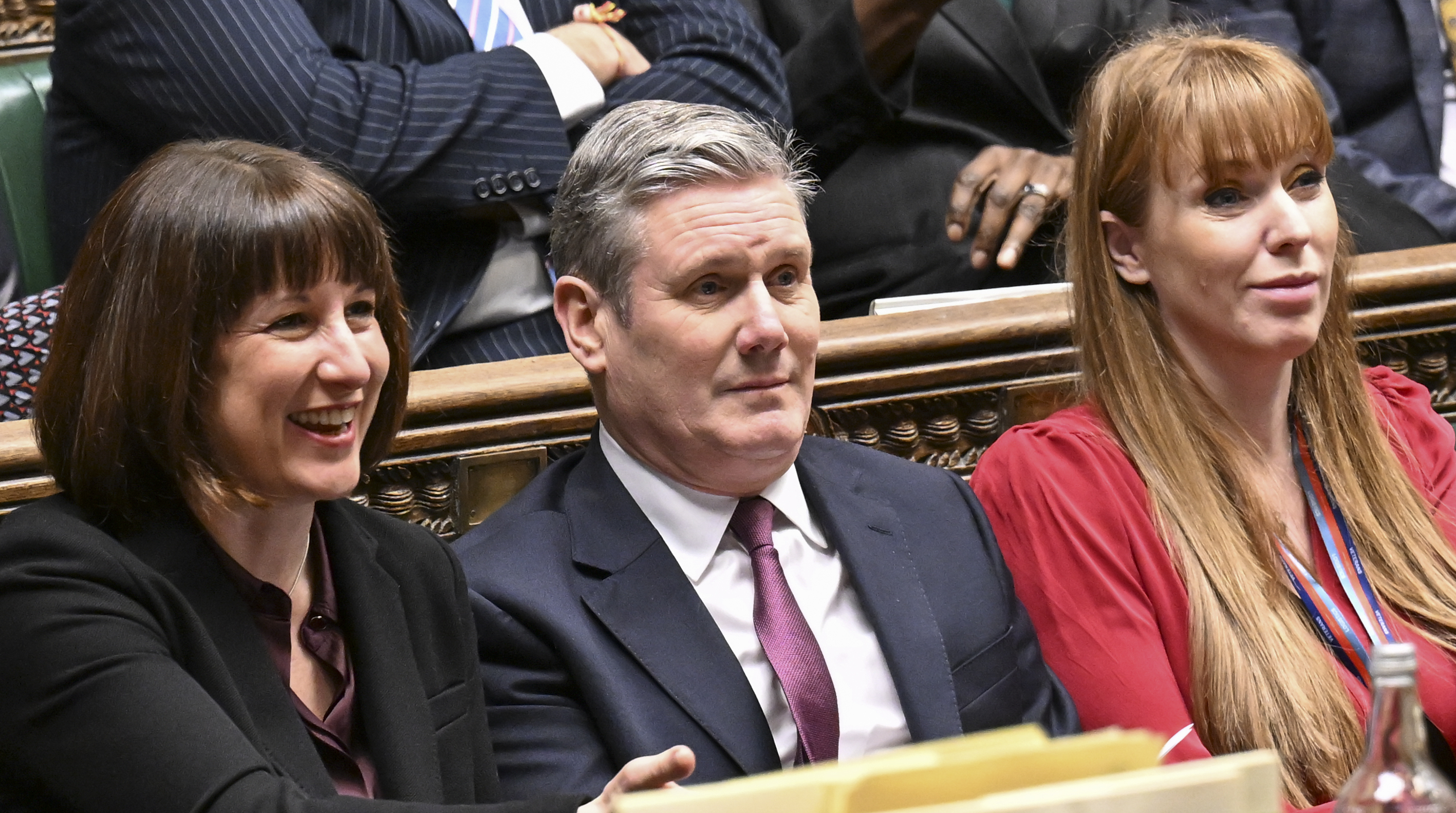
British Prime Minister Keir Starmer (Labour) announced his resignation on Monday, June 22, 2026 [1].
The departure of the UK's head of government creates a sudden power vacuum and triggers a leadership contest within the Labour Party. This transition occurs as the party grapples with internal divisions over the direction of the administration.
Starmer stepped down under mounting pressure from within his own party [1]. Sources said that this pressure included specific calls for him to hand over the leadership to Andy Burnham, the former mayor of Greater Manchester [1].
The resignation comes after Starmer had been in office for less than two years [2]. His tenure was marked by the challenge of maintaining party unity while managing the national government, a balance that ultimately proved unsustainable.
While some party members have pushed for Burnham to take the helm, the process for selecting a successor remains formal. Reports said a potential successor is expected to be chosen in July 2026 [3].
Starmer's exit marks a significant shift in the UK's political landscape. The Labour Party must now navigate a transition period to ensure government stability while the membership decides who will lead the country into the next phase of its legislative agenda.
“Keir Starmer (Labour) announced his resignation on Monday, June 22, 2026”
The resignation of Keir Starmer before completing two years in office suggests a significant lack of confidence within the Labour Party's internal infrastructure. By stepping down amid calls for Andy Burnham to take over, the party is signaling a desire for a shift in leadership style or policy priority. The upcoming July selection process will determine whether the party moves toward the vision represented by Burnham or seeks a different compromise candidate to stabilize the government.