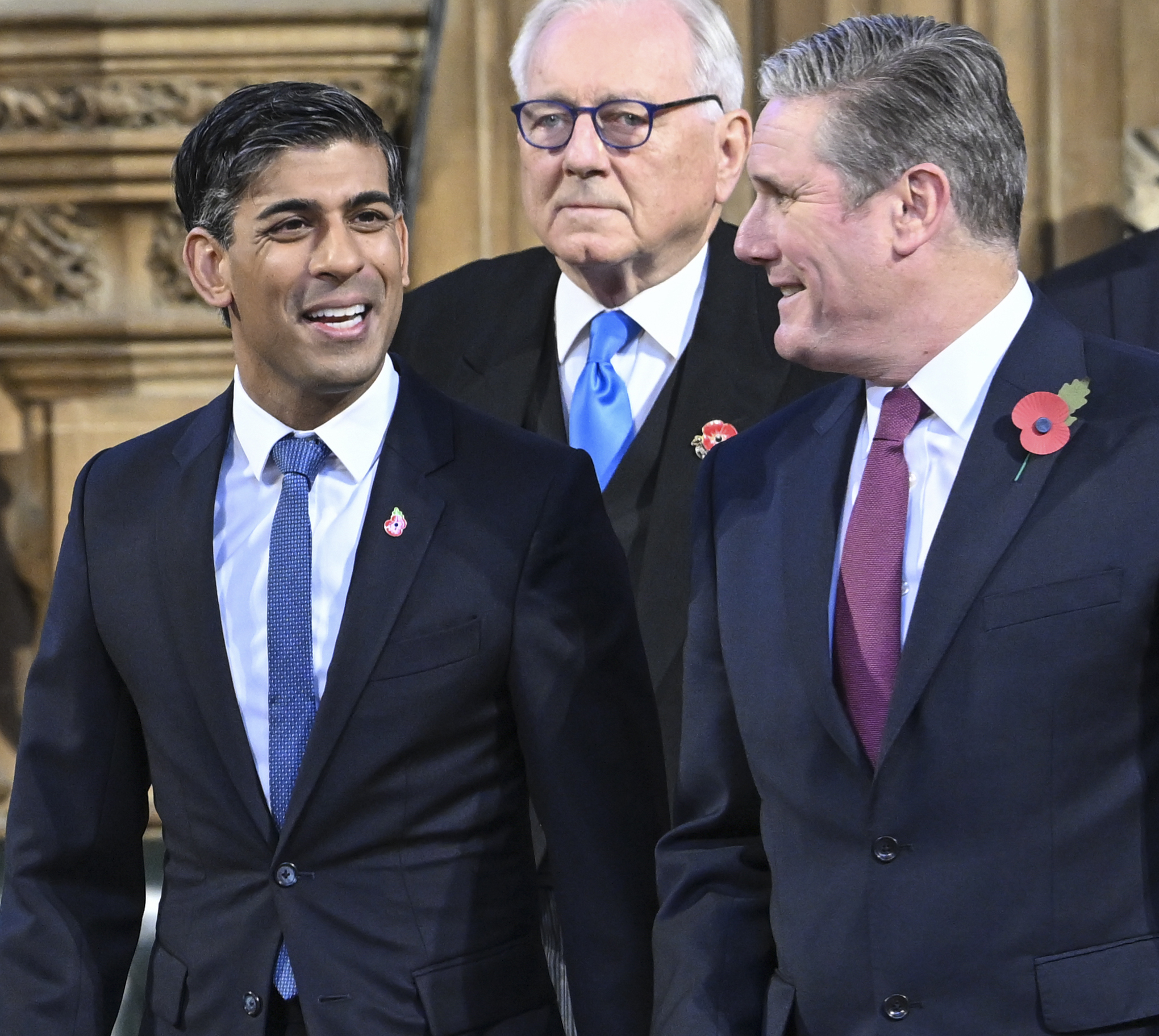
Prime Minister Keir Starmer announced his resignation on Monday, June 22, 2026, following intense pressure from his own party [1, 2, 3].
The departure marks a period of significant instability for the British government. The United Kingdom will now have its sixth Prime Minister in seven years [2].
Starmer's exit comes less than two years after a historic general election victory [1]. The decision followed a brutal round of local elections that occurred weeks prior to the announcement [3]. Starmer faced an internal party challenge and mounting pressure from both cabinet ministers and Labour MPs, reports said [2, 3].
In London, citizens reacted to the news on the streets, with some noting the short tenure of recent British leaders [1]. While the Prime Minister's office at 10 Downing Street prepares for a transition, other political shifts are already underway at Westminster [2, 3].
Among these changes is the swearing-in of Andy Burnham as a Labour MP [2, 3]. Supporters cheered Burnham as he took his seat in Parliament [2].
The resignation reflects a volatile political climate where local electoral failures can rapidly erode the authority of a national leader. The speed of this transition underscores the fragility of the current Labour leadership's mandate, a mandate that was intended to provide long-term stability after the previous general election [1, 3].
“The United Kingdom will now have its sixth Prime Minister in seven years.”
The resignation of Keir Starmer highlights a continuing trend of leadership volatility in the UK, where the gap between general election mandates and local electoral performance can trigger rapid internal party coups. The swift transition and the swearing-in of figures like Andy Burnham suggest a realignment within the Labour Party as it attempts to stabilize its base following significant local losses.


