The United Democratic Front (UDF) government of Kerala announced it will publish a white paper to reveal the state's true financial condition.
The move comes as the new administration seeks to address a perceived gap between reported liabilities and the actual liquidity available to fund welfare promises. By documenting the depth of the fiscal squeeze, the government aims to guide future policy and justify potential spending adjustments.
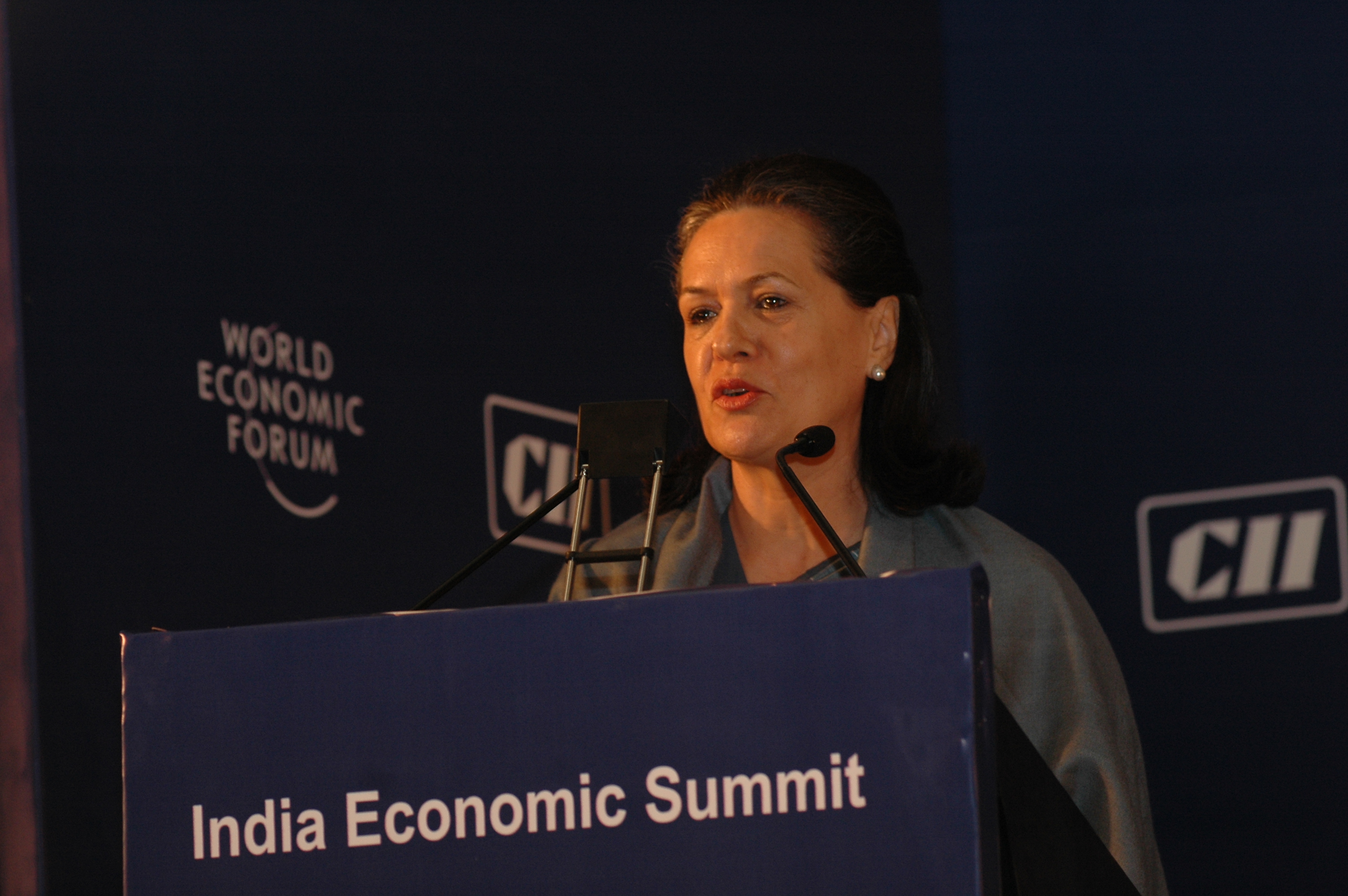
Chief Minister V.D. Satheesan (UDF) announced the initiative on May 18, 2026 [6]. "We will soon publish a white paper that will lay bare the true state of Kerala’s finances," Satheesan said.
The administration is focusing on the discrepancy between reported debt and operational reality. While the state's outstanding liabilities are listed at Rs 5.07 lakh crore [1], analysts suggest this figure masks a deeper problem of chronic borrowing [3].
Data from 2025 highlights the severity of the liquidity strain. Kerala borrowed under RBI Ways and Means Advances for 262 days [2] and remained in an outright overdraft for 84 days [3]. In total, the state relied on these borrowing mechanisms for 346 days of that year [4].
Reports indicate that while development spending remains high, capital expenditure in Kerala is among the lowest in the country [5]. This imbalance has created a fiscal environment where the state struggles to maintain infrastructure investment, and meet social obligations.
There are conflicting views on the immediate state of the treasury. Some analysis suggests a previous fiscal cushion had been hiding the crisis [1], while other reports describe the current UDF government as being saddled with an "empty treasury" that threatens the delivery of welfare services.
“"We will soon publish a white paper that will lay bare the true state of Kerala’s finances."”
The push for a white paper suggests the UDF government is preparing the public for austerity measures or a significant shift in fiscal priority. By highlighting the reliance on RBI overdrafts and the low rate of capital expenditure, the administration is shifting the narrative from simple debt management to a systemic liquidity crisis, potentially distancing itself from the financial legacy of previous administrations.