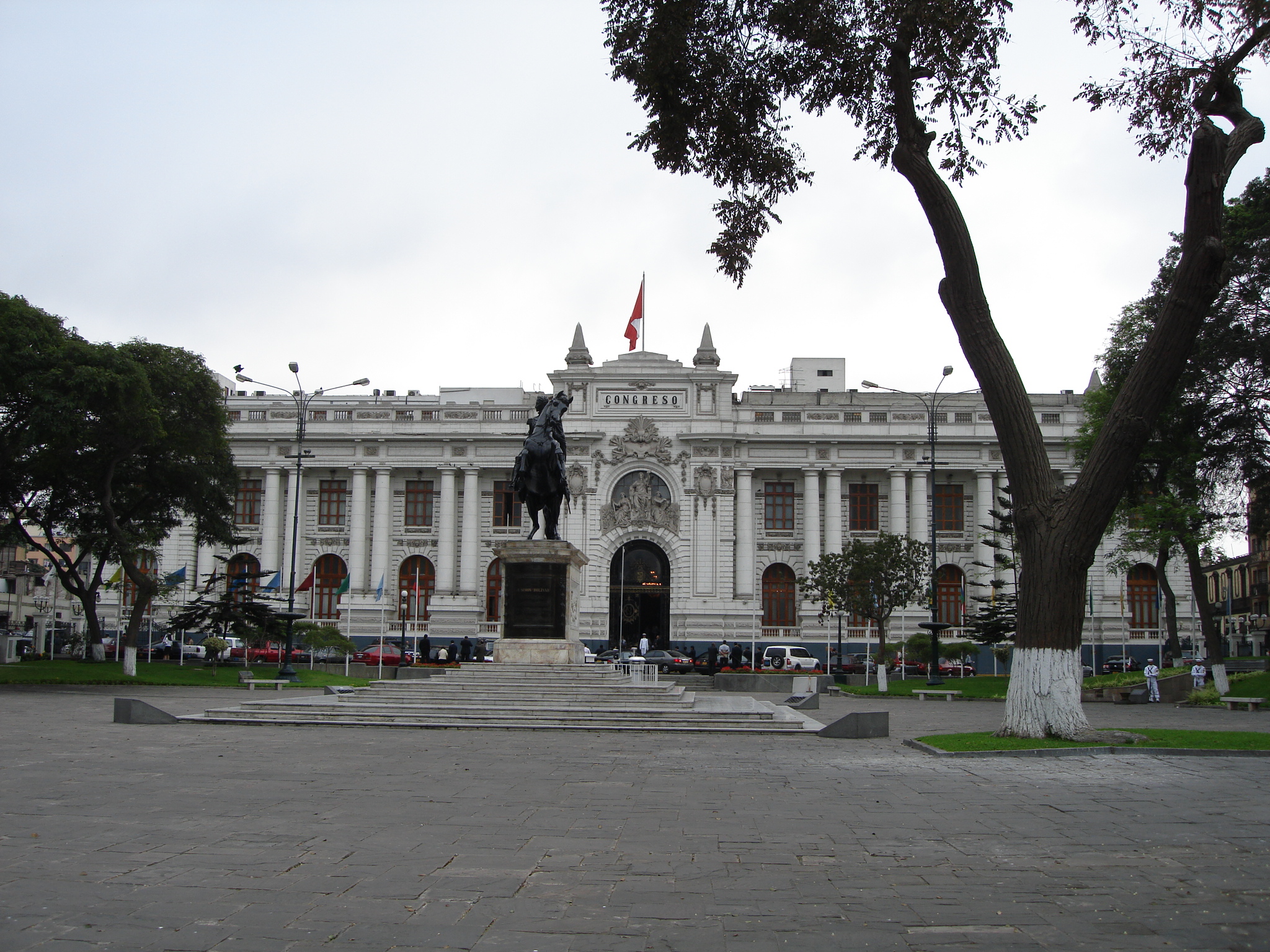
Right-wing populist parties and leaders are seeing a significant increase in power across Latin America following a series of recent elections [1].
This shift signals a broader regional reconfiguration of political power, reflecting deep-seated voter dissatisfaction with incumbent administrations and a move away from left-wing governance.
The trend is evident in several nations, including Chile, Peru, Colombia, Paraguay, and Mexico [1, 3]. In Peru, Keiko Fujimori has emerged as a central figure in this movement, seeking to consolidate the rightward turn in the region [3].
Analysts point to several converging factors driving this change. One primary driver is the "voto de castigo," or punishment vote, where citizens cast ballots against incumbents to express frustration with the status quo [2]. This sentiment is compounded by deepening political polarization, which has made Latin America one of the most polarized regions in the world [5].
External economic pressures have also played a critical role. The economic fallout from the Iran-Ukraine war has reshaped political landscapes across the region [4]. These shocks have created volatility that populist leaders often leverage to gain support.
Security concerns have further fueled the rise of the right. The increase in transnational crime has pushed voters toward candidates promising stricter law-and-order policies [6].
Recent data underscores the scale of this transition. A study analyzing 16 elections in the region highlighted the consistent trend toward right-wing candidates [4]. While some analysts emphasize the role of the Iran conflict [4], others said that the "ola naranja" and internal voter backlash are the primary catalysts for the shift [2].
This movement began with a series of elections between 2021 and 2026 and has continued to gain momentum through 2026 [4, 5].
“Latin America is one of the most polarized regions in the world.”
The consolidation of right-wing power in Latin America suggests a cyclical rejection of previous social-democratic experiments. By linking domestic economic instability to global conflicts and transnational crime, populist leaders are successfully framing the 'punishment vote' as a mandate for systemic change, potentially leading to a long-term realignment of the region's geopolitical alliances.