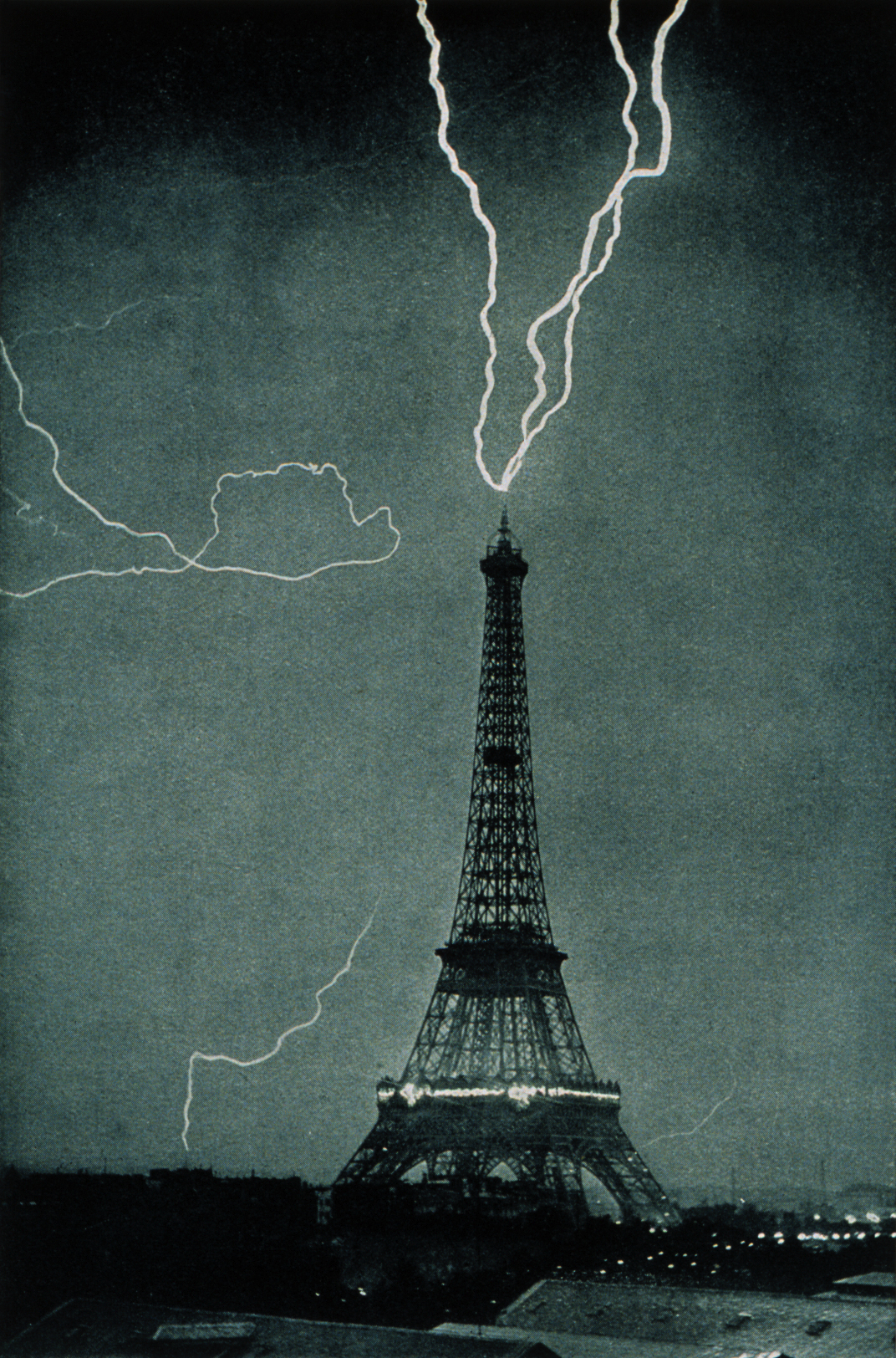
A dramatic bolt of lightning struck the Eiffel Tower during a violent thunderstorm that swept across Paris on Saturday night [1].
The event highlights the volatility of current weather patterns in Europe, where extreme heatwaves are triggering sudden, severe storm systems. This intersection of temperature extremes creates hazardous conditions for urban infrastructure and public safety.
The strike occurred June 27, 2026 [1]. Video footage captured the moment the bolt hit the spire of the landmark, coinciding with a wider weather system that brought heavy rain and thunder to the French capital. These violent thunderstorms were associated with an extreme heatwave that had been grilling France, creating the atmospheric instability necessary for such powerful electrical discharges.
Parisian authorities and weather monitors said that the tower's height and metallic composition make it a natural target for lightning. The structure is designed to handle such events, directing the electrical surge safely into the ground to prevent structural damage. Despite the visual intensity of the strike, there were no immediate reports of injuries or significant damage to the tower's framework.
The weather system that caused the strike was part of a broader trend of erratic climate behavior observed across the region. The transition from extreme heat to violent storms often results in flash flooding, and wind damage in densely populated areas. Residents in Paris experienced a rapid drop in temperature as the storm front moved through, providing a temporary but turbulent reprieve from the preceding heat.
Observers and tourists captured the incident on camera, with the footage quickly spreading across social media platforms. The images serve as a visual reminder of the power of natural elements within an urban environment. Local officials said they continued to monitor the weather as the storm system moved away from the city center.
“A dramatic bolt of lightning struck the Eiffel Tower during a violent thunderstorm.”
The strike on the Eiffel Tower is a symptomatic event of 'weather whiplash,' where regions swing rapidly between extreme heat and violent storms. While the tower is engineered to survive such strikes, the increasing frequency of these high-energy weather events puts additional stress on city infrastructure and increases the risk of power outages and flash flooding in metropolitan areas.


