Former Senegalese President Macky Sall faced a setback in July 2026 after receiving limited support in a UN Security Council straw poll [1].
The results signal a difficult path forward for Sall's candidacy for UN Secretary-General. Because the Security Council holds decisive power over the appointment, low numbers in these informal polls often indicate a lack of necessary diplomatic momentum among permanent and rotating members.
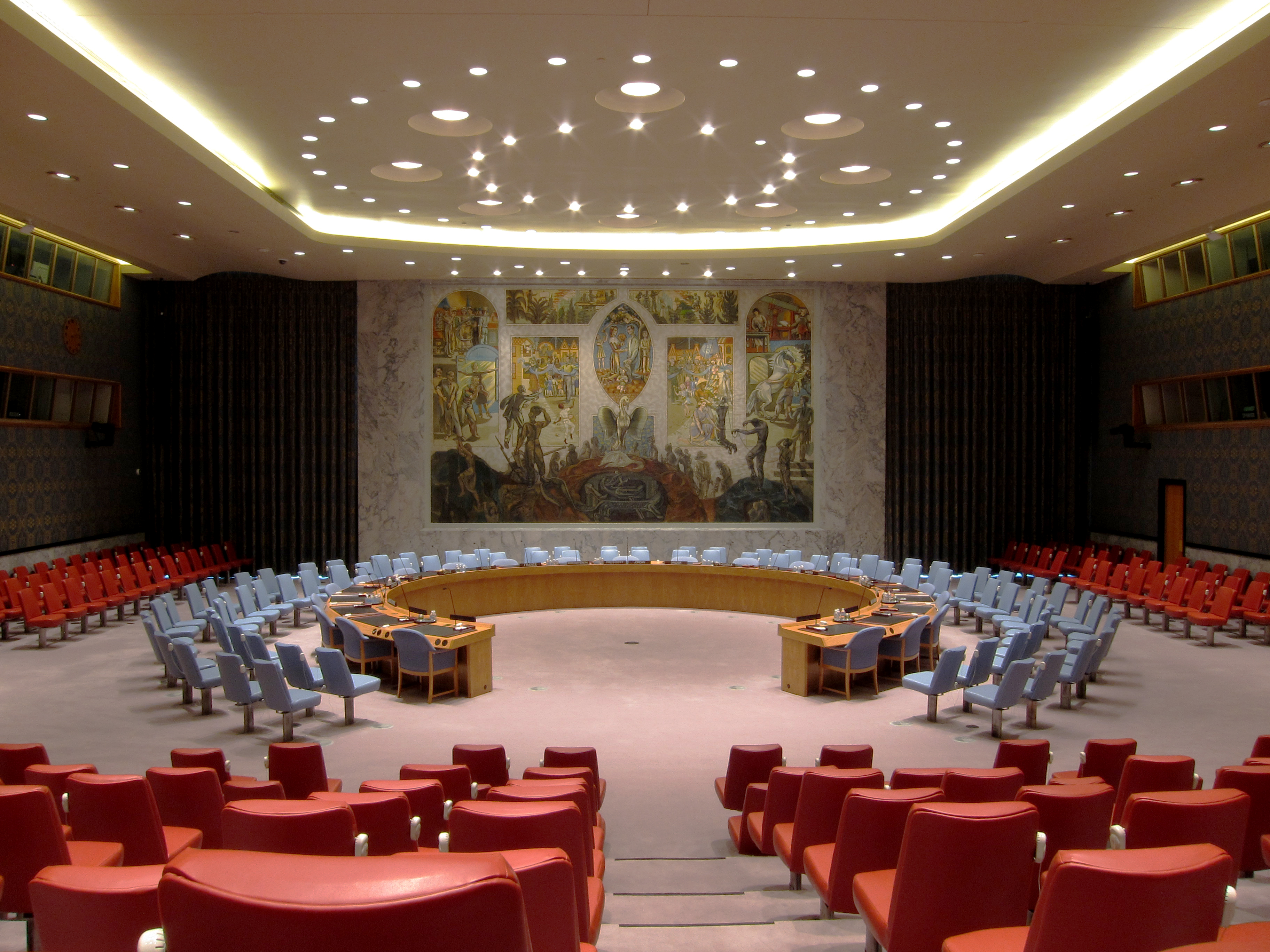
In the first informal straw poll held in New York, Sall received six votes in favor [1]. The tally also included seven votes against, and two abstentions [1]. These figures suggest that the former leader lacks the broad consensus required to secure the top diplomatic post at the United Nations.
Despite the narrow results in New York, Sall maintains support at home. President Bassirou Diomaye Faye of Senegal said he endorsed the bid [2]. The endorsement from the current Senegalese administration provides a baseline of national legitimacy, but it does not translate directly into Security Council votes.
The straw poll process is designed to gauge the temperature of the Council before formal nominations occur. With more votes against him than in favor, Sall's campaign faces a significant hurdle in convincing the international community of his viability as the next Secretary-General [1].
The UN Secretary-General serves as the chief administrative officer of the organization and the face of global diplomacy. Securing the position requires navigating the complex interests of the five permanent members of the Security Council, who hold veto power, and the 10 non-permanent members.
“Sall received six votes in favor, seven against, and two abstentions”
The disparity between Sall's domestic endorsement and his Security Council performance highlights the gap between national political support and international diplomatic viability. In the UN appointment process, a candidate's ability to survive straw polls is a primary indicator of whether they can avoid a veto from a permanent member. These results suggest Sall may need to significantly pivot his diplomatic strategy or face a likely rejection in subsequent rounds.