
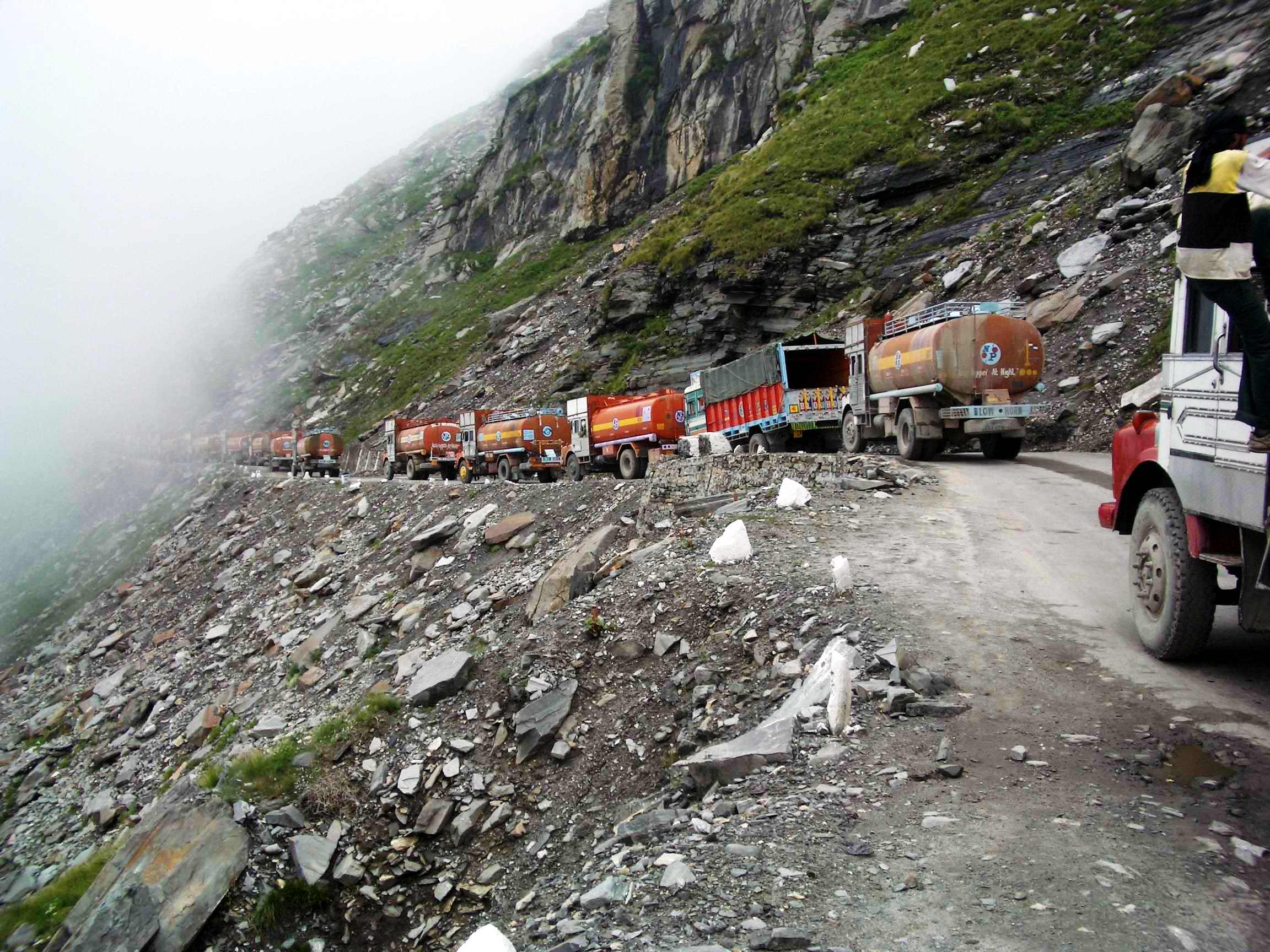
Massive traffic jams have formed in Manali as large numbers of tourists travel to the Himachal Pradesh hills to escape scorching heat [1, 2].
The surge in visitors puts significant pressure on mountain infrastructure and local transport networks. This seasonal migration from the North Indian plains to higher altitudes often leads to severe bottlenecks on narrow roads, impacting both residents and travelers.
Vehicular movement has slowed across Manali and nearby regions [1, 2]. The congestion is not isolated to a single town, as reports indicate similar massive jams in the Kullu and Uttarakhand regions [2]. Tourists are seeking relief from the intense summer temperatures currently affecting the plains of North India [1, 2].
Local authorities and transport services face challenges in managing the influx of vehicles on the winding hill roads. The volume of traffic has created long queues of cars and buses, a recurring issue during the peak summer months when the temperature differential between the plains and the mountains is most extreme [1, 2].
While the influx of tourists provides a boost to the local economy, the resulting gridlock can delay essential services and emergency responses. The current situation highlights the recurring struggle of hill stations to balance tourism growth with limited road capacity [1, 2].
“Massive traffic jams have formed in Manali as large numbers of tourists travel to the Himachal Pradesh hills.”
The recurring congestion in Manali and Uttarakhand underscores a systemic gap between the popularity of North Indian hill stations and the capacity of their transport infrastructure. As extreme heatwaves in the plains drive more people toward the mountains, the resulting traffic bottlenecks pose risks to road safety and environmental sustainability in fragile alpine ecosystems.


