
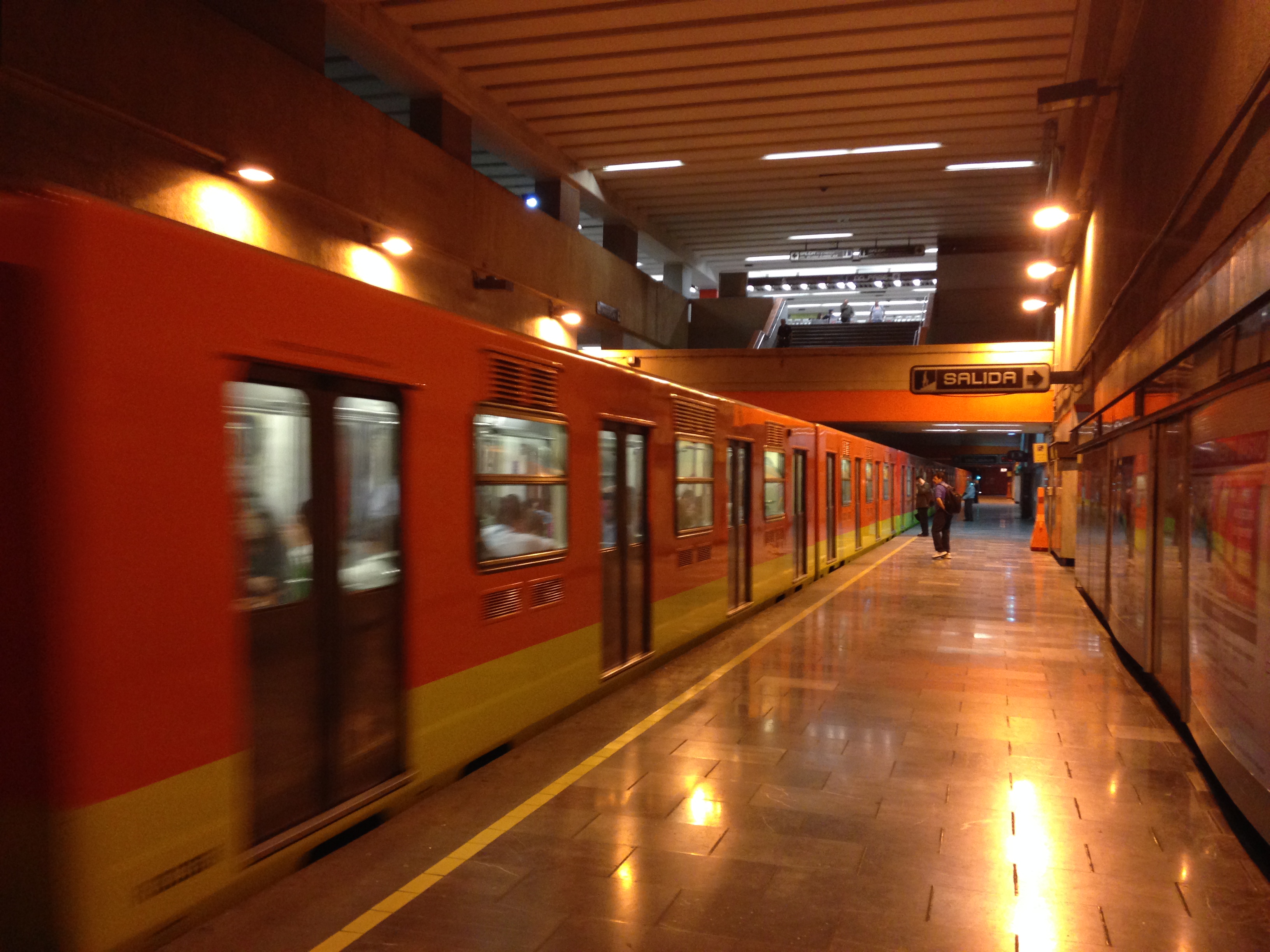
Decorative chandeliers installed at a busy Mexico City subway station have gone viral on social media following their recent unveiling [1].
The installation highlights the tension between luxury aesthetic upgrades and the functional needs of a massive urban transit system. While the city seeks to present a polished image to international visitors, the contrast between the opulent lighting and the daily commute has sparked widespread public debate.
City officials added the chandeliers as part of a series of decorative upgrades intended to prepare the city for the 2026 [1] FIFA World Cup. The effort is part of a broader push to enhance the visual appeal of public infrastructure before the global sporting event brings millions of tourists to the region.
Commuters have responded to the change with a mixture of amusement and criticism. Many users on social media have shared memes that contrast the high-end lighting with the grit of the subway environment. Some riders expressed surprise at the choice of decor for a high-traffic transit hub, a setting typically defined by utility rather than luxury.
Despite the viral nature of the memes, the installations remain in place as the city continues its preparations for the tournament. The reaction reflects a broader trend of citizens using digital platforms to critique government spending and urban planning priorities in real time.
The subway system remains one of the most utilized networks in the world, making any significant visual change a focal point for public scrutiny. The chandeliers serve as a visible marker of the city's ambition to modernize its image for a global audience [1].
“Decorative chandeliers installed at a busy Mexico City subway station have gone viral”
The viral reaction to the subway chandeliers illustrates the friction between 'prestige projects' and the practical realities of public infrastructure. When governments prioritize aesthetic upgrades for global events like the World Cup, it often triggers a domestic conversation about whether funds would be better spent on systemic maintenance and efficiency rather than superficial ornamentation.


