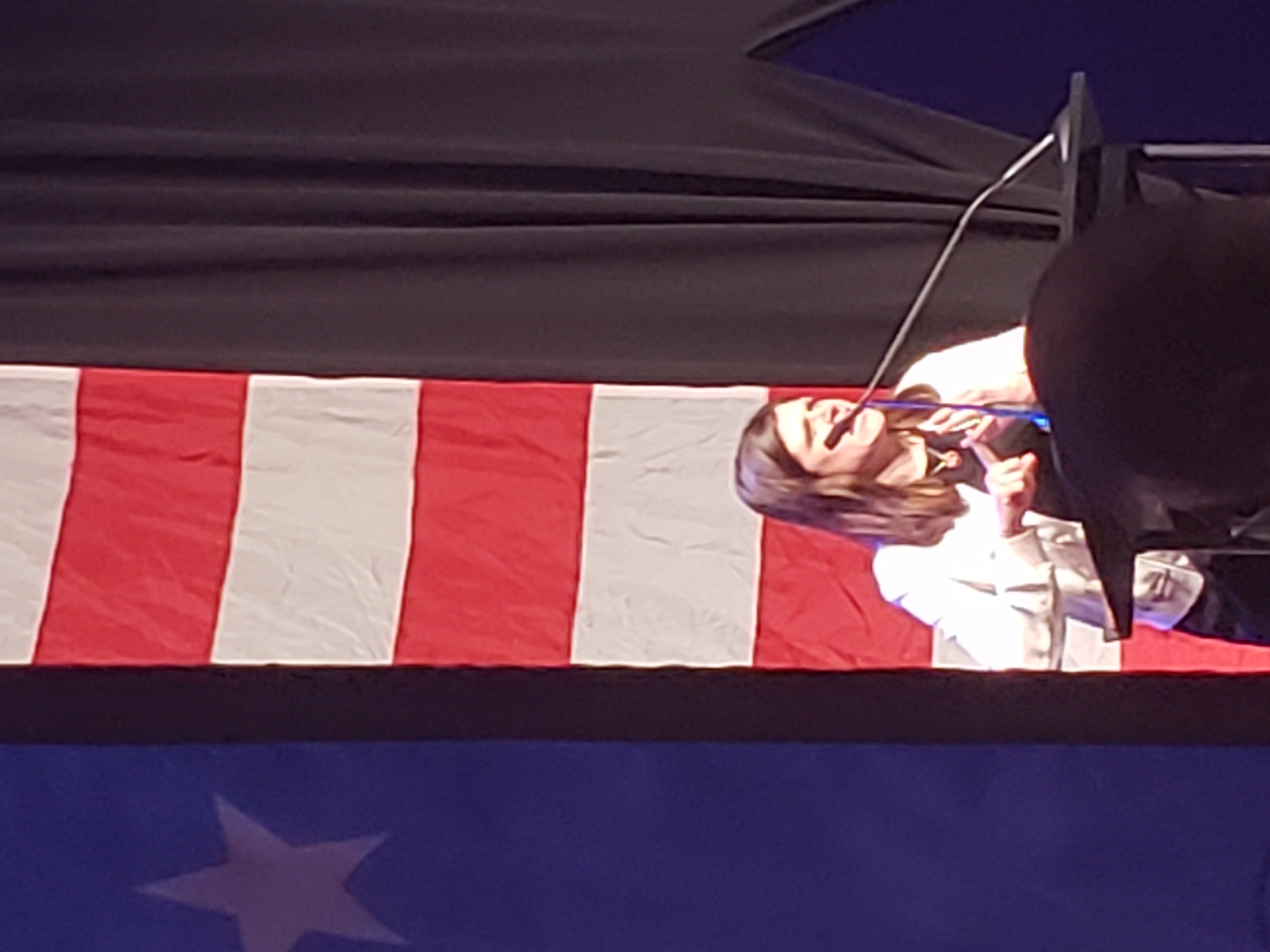
Rep. Haley Stevens (D-MI) and former health official Abdul El-Sayed are the final contenders in Michigan's Democratic U.S. Senate primary [1].
The race has evolved into a national litmus test for how the U.S. media and political establishment handle the volatile debate over Israel. With the candidates positioned on opposite sides of the issue, the outcome may signal shifting priorities within the Democratic party regarding Middle East policy.
The primary election is scheduled for Aug. 4, 2026 [2]. Ballots for the contest were mailed to voters on June 25, 2026 [2]. The field narrowed recently after former state Sen. Mallory McMorrow suspended her campaign on July 5, 2026 [2].
Stevens is viewed as the establishment candidate, while El-Sayed is positioned as the progressive challenger. This ideological divide has attracted significant financial intervention. Outside groups are spending millions of dollars [3] to influence the result.
There is a discrepancy regarding the origin of these funds. Some reports identify the spending as coming from unidentified outside groups [3]. However, other reports suggest the Israeli government is increasing efforts to fund pro-Israel groups and shape public opinion [4].
Pro-Israel advocacy groups view the Michigan primary as a critical opportunity to influence U.S. policy. Because the race has narrowed to a choice between a critic of Israeli policy and a favorite of groups like AIPAC, the spending has reached unprecedented levels [1, 4].
As the Aug. 4 deadline approaches, the focus remains on whether the progressive wing of the party can overcome the financial weight of establishment-backed spending in a high-stakes swing state [2].
“The race has evolved into a national litmus test for how the U.S. media and political establishment handle the volatile debate over Israel.”
This primary serves as a proxy battle for the broader struggle within the Democratic Party between traditional pro-Israel foreign policy and a growing progressive movement critical of the Israeli government. The heavy influx of outside money suggests that national interest groups view Michigan as a bellwether for whether progressive candidates can win statewide office while maintaining critical stances on Israel.

'%2F%3E%0A%20%20%20%20%3Crect%20width%3D'1600'%20height%3D'900'%20fill%3D'url(%23v)'%2F%3E%0A%20%20%20%20%3Cg%20opacity%3D'0.08'%20fill%3D'%23ffffff'%3E%0A%20%20%20%20%20%20%3Ccircle%20cx%3D'1420'%20cy%3D'180'%20r%3D'220'%2F%3E%0A%20%20%20%20%20%20%3Ccircle%20cx%3D'1500'%20cy%3D'760'%20r%3D'120'%2F%3E%0A%20%20%20%20%3C%2Fg%3E%0A%20%20%20%20%3Cline%20x1%3D'80'%20y1%3D'172'%20x2%3D'220'%20y2%3D'172'%20stroke%3D'%23ffffff'%20stroke-width%3D'3'%20stroke-opacity%3D'0.6'%2F%3E%0A%20%20%20%20%3Ctext%20x%3D'80'%20y%3D'140'%20font-family%3D'Inter%2C%20-apple-system%2C%20Helvetica%2C%20sans-serif'%20font-weight%3D'700'%20font-size%3D'28'%20fill%3D'%23ffffff'%20letter-spacing%3D'6'%3EHANNA%20%C2%B7%20NEWS%3C%2Ftext%3E%0A%20%20%20%20%3Ctext%20x%3D'80'%20y%3D'230'%20font-family%3D'Inter%2C%20-apple-system%2C%20Helvetica%2C%20sans-serif'%20font-weight%3D'600'%20font-size%3D'40'%20fill%3D'%23ffffffb3'%20letter-spacing%3D'4'%3EWORLD%3C%2Ftext%3E%0A%20%20%20%20%3Ctext%20x%3D'80'%20y%3D'694'%20font-family%3D'Playfair%20Display%2C%20Georgia%2C%20serif'%20font-weight%3D'800'%20font-size%3D'110'%20fill%3D'%23ffffff'%20letter-spacing%3D'-1'%3EGuinea%20Opts%20Out%20of%20Planned%3C%2Ftext%3E%3Ctext%20x%3D'80'%20y%3D'820'%20font-family%3D'Playfair%20Display%2C%20Georgia%2C%20serif'%20font-weight%3D'800'%20font-size%3D'110'%20fill%3D'%23ffffff'%20letter-spacing%3D'-1'%3EECOWAS%20Single%20Currency%3C%2Ftext%3E%0A%20%20%20%20%3Ctext%20x%3D'80'%20y%3D'870'%20font-family%3D'Inter%2C%20-apple-system%2C%20Helvetica%2C%20sans-serif'%20font-weight%3D'500'%20font-size%3D'22'%20fill%3D'%23ffffff66'%20letter-spacing%3D'2'%3Enews.hanna-ai.com%3C%2Ftext%3E%0A%20%20%3C%2Fsvg%3E)