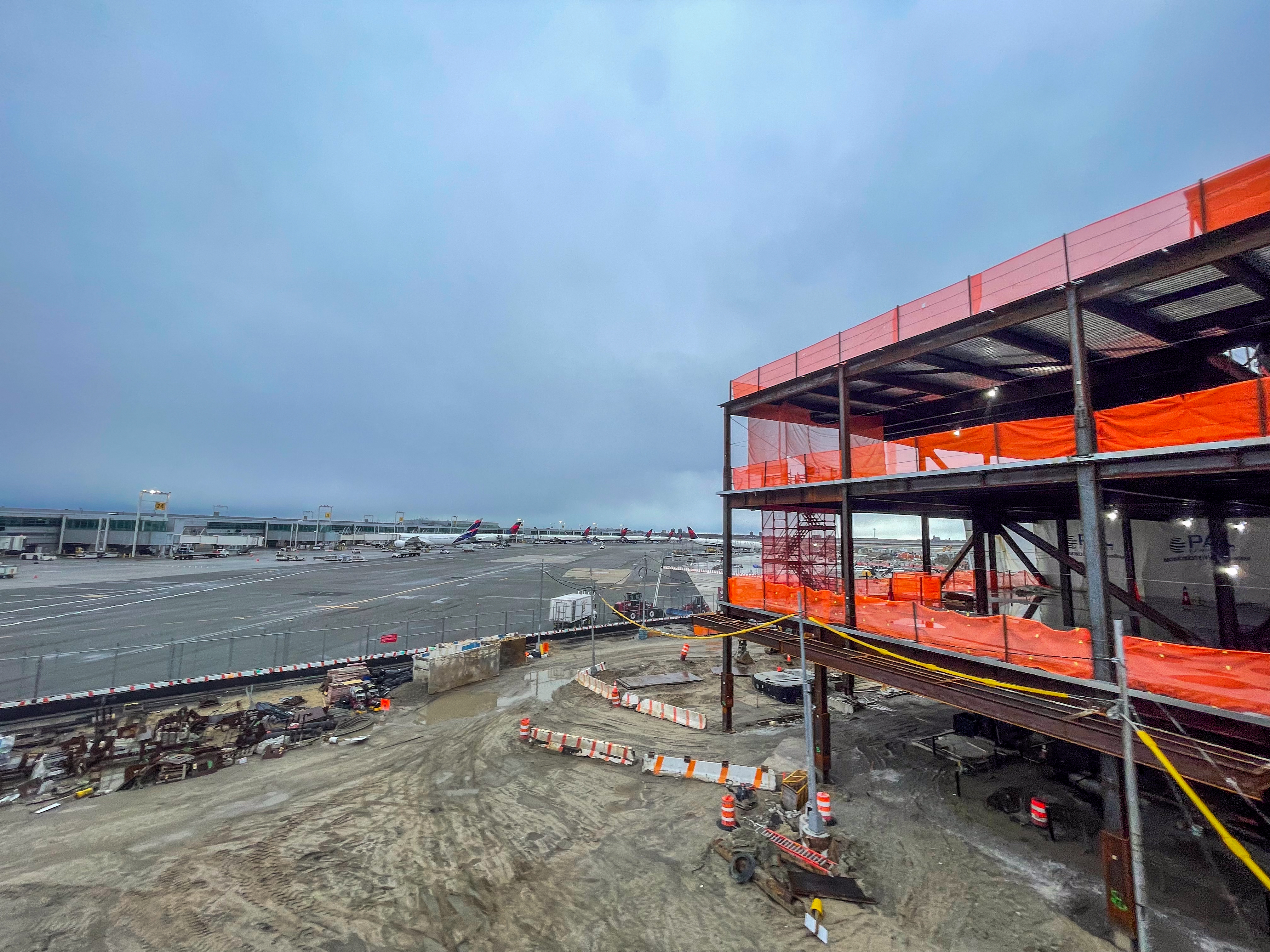
Structural damage at Midtown Tower on East 42nd Street forced the evacuation of nearby offices and hotels on July 7 [1].
The incident highlights the risks associated with large-scale office-to-residential conversions in dense urban environments. As New York City continues to repurpose vacant commercial spaces, structural integrity becomes a critical safety concern for surrounding infrastructure.
Emergency responders ordered evacuations after reports surfaced that beams began bending and floors sagged within the building [1]. The damage occurred during an active office conversion project aimed at transforming the commercial space into housing [1].
Traffic disruptions plagued the Midtown area as authorities secured the perimeter around East 42nd Street [1]. The instability of the tower created an immediate hazard for pedestrians and commuters in one of the city's busiest districts.
Officials said zero injuries were reported during the evacuation process [1]. No one was hurt as people exited the affected structures and the surrounding zone was cleared.
City inspectors are now evaluating the extent of the structural failure. The project involves complex modifications to the building's skeleton to accommodate residential layouts, a process that can put unforeseen stress on aging steel and concrete.
“Beams started bending and floors sagged at Midtown Tower”
This event underscores the technical challenges of the 'office-to-residential' trend in U.S. cities. Converting skyscrapers designed for commercial loads into residential units requires significant structural alterations; failures like this may lead to stricter building department oversight and more rigorous safety certifications for conversion projects in Manhattan.


