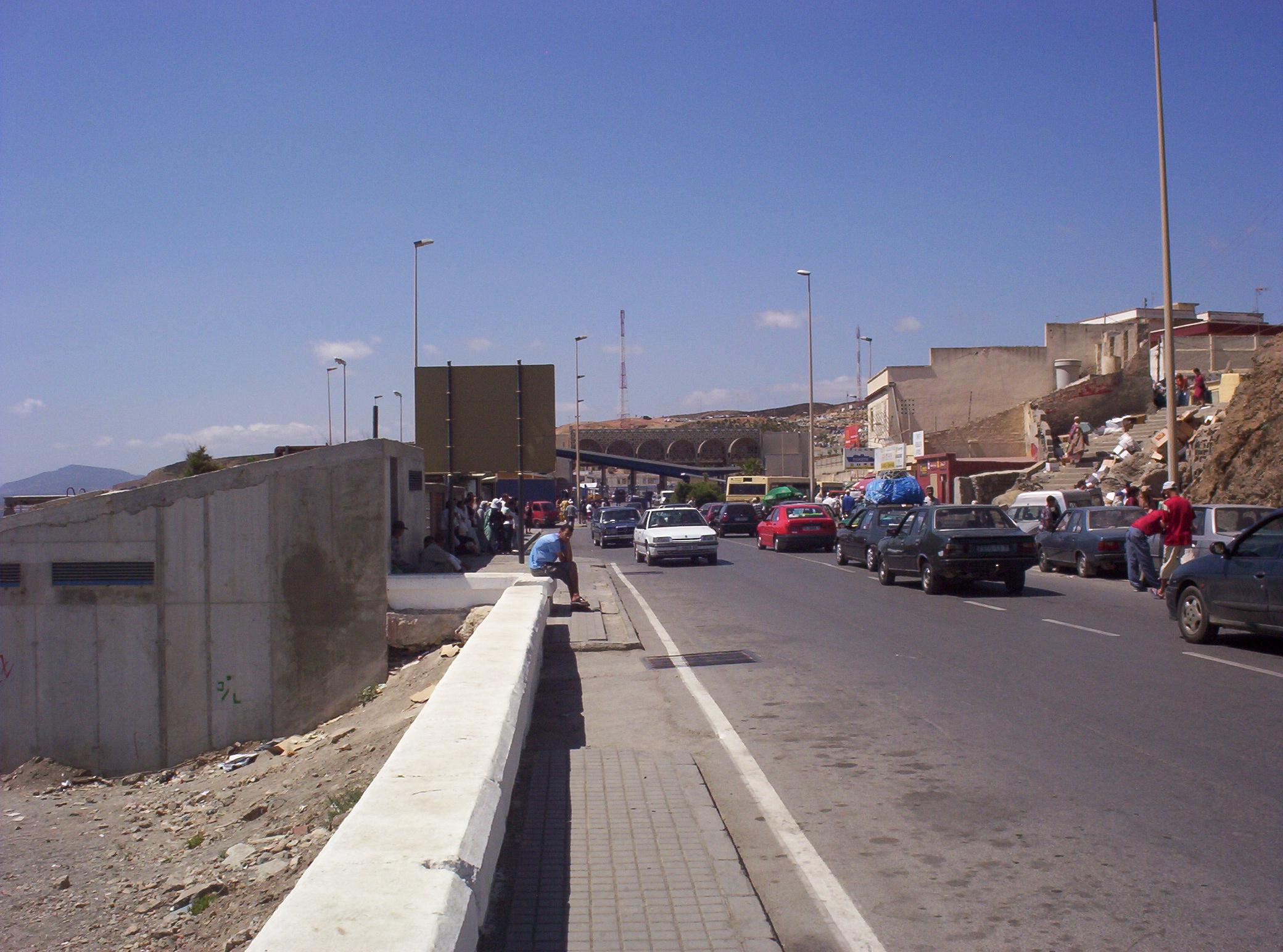
Thousands of migrants are voluntarily returning to Morocco after a massive surge into the Spanish enclave of Ceuta on Friday [1].
The reversal follows an unprecedented border breach that overwhelmed local authorities and resulted in significant loss of life. The scale of the movement highlights the ongoing volatility of migration routes between North Africa and Europe.
Reports on the scale of the influx vary. Some sources said that more than 50,000 people crossed into the territory [1], while other reports place the number at 60,000 [2]. The sudden movement created a humanitarian crisis in the coastal enclave, which borders Morocco.
Authorities said that approximately 48,300 individuals are returning to Morocco [3]. This voluntary departure comes as officials worked to halt the rush and prevent further fatalities during the chaos at the border.
The human cost of the crossing has been severe. While some early reports cited at least 18 deaths [5], other data indicates the toll has risen to 57 dead [3].
Ceuta remains a flashpoint for migration due to its geography as a Spanish territory on the African mainland. The recent events underscore the difficulty of managing border security when thousands of people attempt to breach fences simultaneously.
“More than 50,000 people crossed into the territory”
The rapid surge and subsequent voluntary return of migrants suggest a volatile cycle of desperation and deterrence. The disparity in death toll reports reflects the chaos of the event, but the high number of fatalities underscores the lethal risks associated with irregular migration attempts into European territories.