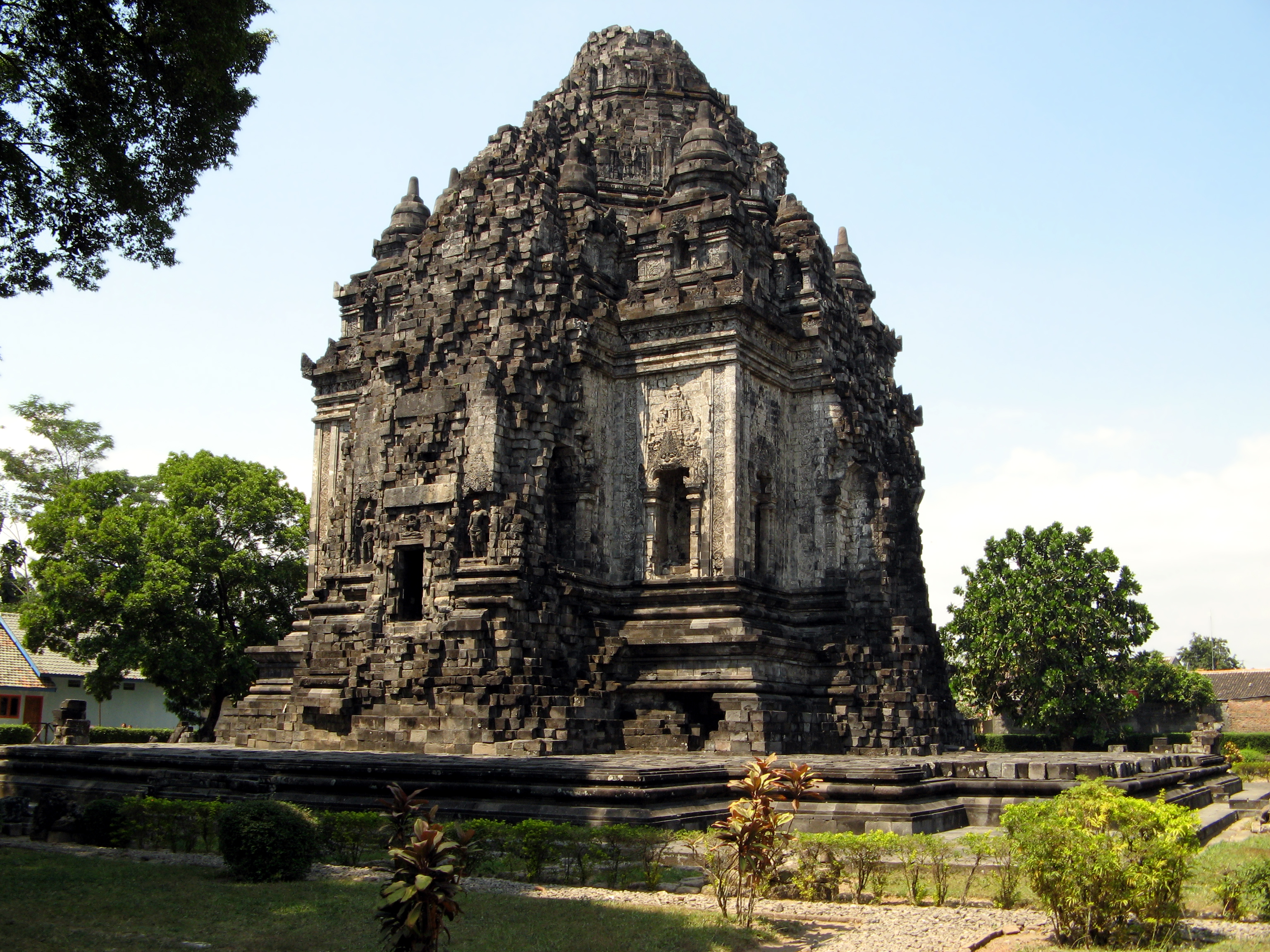
Prime Minister Narendra Modi and President Prabowo Subianto visited the Prambanan Temple complex in Yogyakarta on Wednesday to launch a restoration project [1].
The initiative underscores a strategic effort to revive shared civilisational heritage between India and Indonesia through cultural cooperation [1]. By investing in the preservation of the UNESCO-listed site, the two nations aim to strengthen diplomatic ties and acknowledge their historical links.
The Prambanan Temple complex is nearly 1,000 years old [2]. During the visit, Modi offered prayers at the site and discussed the technical aspects of the India-backed restoration effort [2]. While some reports indicate the project was inaugurated during this visit, other accounts suggest the formal inauguration of the completed work will happen later [1, 3].
Modi said he would return to Indonesia to personally inaugurate the project once the restoration is finished [3]. The target completion year for the restoration work is 2029 [3].
The partnership focuses on the meticulous preservation of the temple's structural integrity. This project follows a broader pattern of Indian involvement in restoring heritage sites across Southeast Asia, a move intended to highlight the region's ancient connections to Indian culture and architecture [1].
President Subianto and Modi said the project is more than a construction effort. It serves as a symbol of the enduring friendship between the two countries, and their commitment to preserving global heritage for future generations [1].
“The target completion year for the restoration work is 2029.”
This restoration project represents the use of 'cultural diplomacy' to solidify geopolitical alliances in Southeast Asia. By funding the preservation of the Prambanan Temple, India leverages shared historical and religious ties to increase its soft power and strategic influence in Indonesia, a key partner in the Indo-Pacific region.


