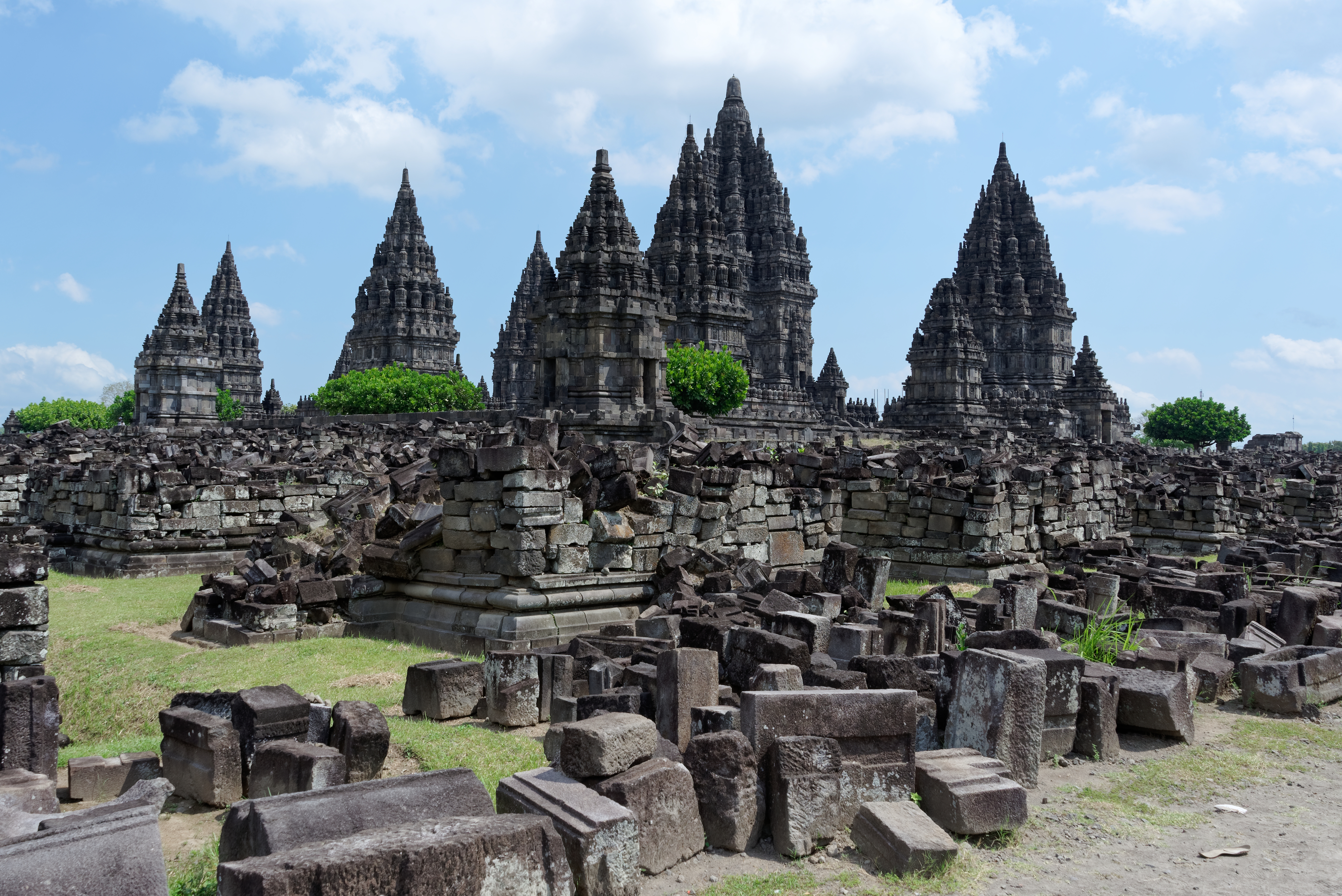
Indian Prime Minister Narendra Modi and Indonesian President Prabowo Subianto jointly launched a restoration project for the ancient Prambanan Hindu temple this week [1].
The initiative marks a strategic effort to strengthen the Indo-Pacific partnership through the preservation of shared cultural heritage and historical ties. By investing in the site, India and Indonesia aim to solidify diplomatic bonds via the restoration of a landmark that symbolizes ancient regional connections.
Located on the plains of Central Java just outside Yogyakarta, Prambanan is a designated UNESCO World Heritage Site [2, 3]. The temple complex is approximately 1,000 years old [2] and is recognized as the largest Hindu temple complex in Indonesia [2].
The visit occurred during a state visit by Modi to Indonesia. The joint project focuses on the physical restoration of the site, which is one of the world's largest Hindu shrines [4]. This collaboration integrates technical expertise and funding to ensure the structural integrity of the historic monuments.
Officials said the restoration effort is part of a broader strategy to enhance cultural diplomacy between the two nations. The project intends to preserve the architectural legacy of the site for future generations, and promote tourism in the Yogyakarta region [1, 5].
Modi's visit to the temple emphasizes the historical presence of Hinduism in the Indonesian archipelago. The partnership between the two leaders underscores a mutual interest in maintaining the site's status as a global heritage landmark [5].
“Prambanan is approximately 1,000 years old and is the largest Hindu temple complex in Indonesia.”
The joint restoration of Prambanan Temple serves as a tool of 'soft power' diplomacy, using cultural heritage to anchor the strategic relationship between India and Indonesia. By focusing on a shared religious and architectural history, both nations are signaling a commitment to a stable and culturally connected Indo-Pacific region.


