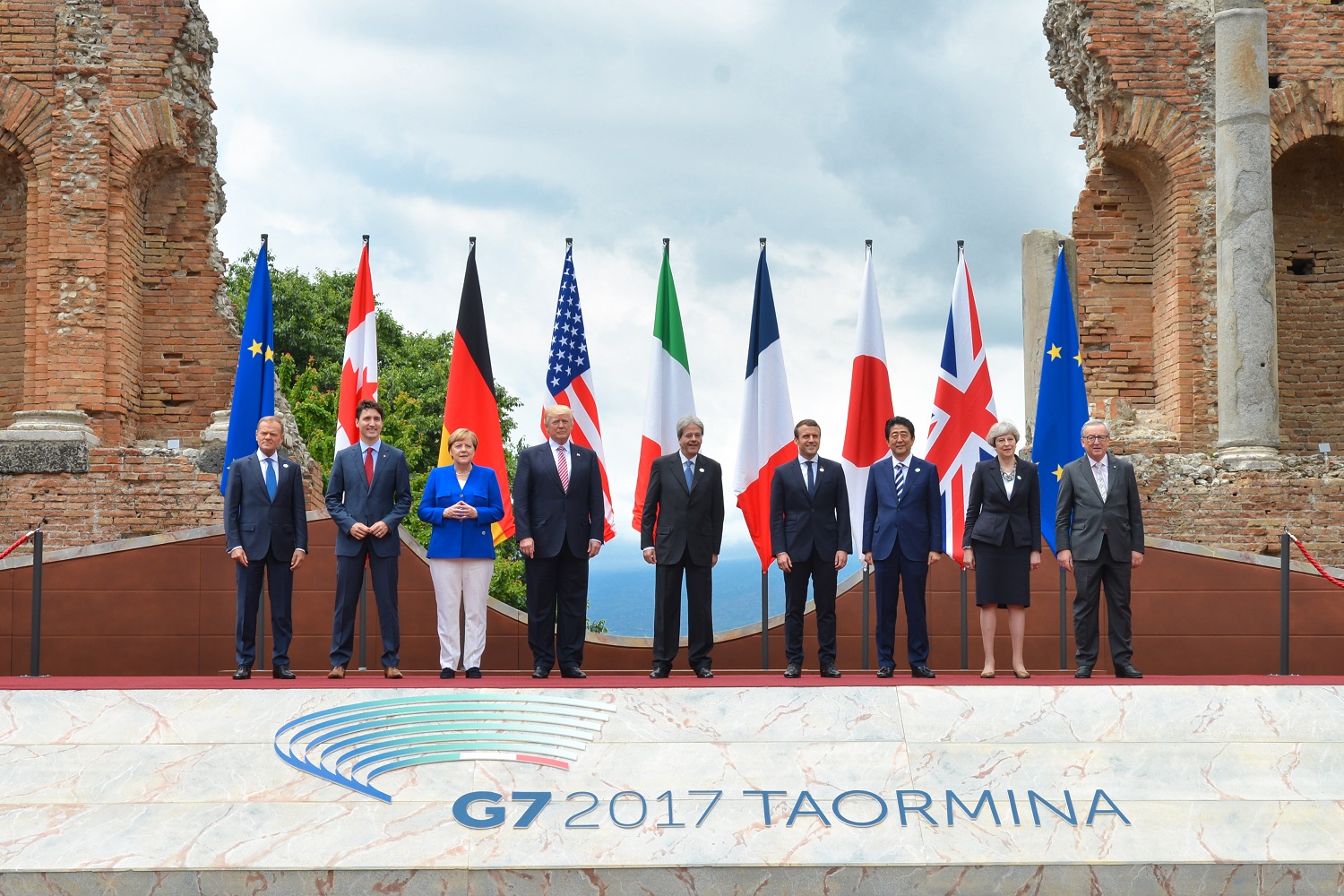
U.S. President Donald Trump and Indian Prime Minister Narendra Modi held a bilateral meeting this week during the G7 summit in Evian‑les‑Bains, France.
The meeting occurs as diplomatic relations between the two nations face significant pressure. While the leaders have historically maintained warm relations, recent military actions and economic disputes have created a volatile atmosphere for the talks.
Central to the tension are U.S. attacks on commercial ships in the Gulf that resulted in the deaths of three Indian sailors [1]. This incident has introduced fresh strain into the partnership, complicating the diplomatic environment in France.
Beyond the military casualties, the leaders are expected to address long-standing friction over trade policies and visa issues [2]. These economic disputes have remained a point of contention between Washington and New Delhi, often persisting despite the personal rapport between the two heads of state.
Reports that the two leaders would likely meet to discuss these specific grievances first surfaced on June 10, 2026 [2]. The bilateral session on the sidelines of the G7 serves as the primary venue for both governments to attempt a reset of their current trajectory.
Observers said the meeting is critical for regional stability. The intersection of maritime security in the Gulf and bilateral trade agreements represents a complex balancing act for both Trump and Modi as they navigate these competing priorities.
“The meeting occurs as diplomatic relations between the two nations face significant pressure.”
This meeting signals a pivot point in US-India relations, where personal chemistry between leaders is no longer sufficient to mask systemic disagreements. The deaths of Indian nationals in US military operations introduce a human rights and sovereignty element that complicates trade negotiations, suggesting that future cooperation may be contingent on how the U.S. addresses the maritime casualties.