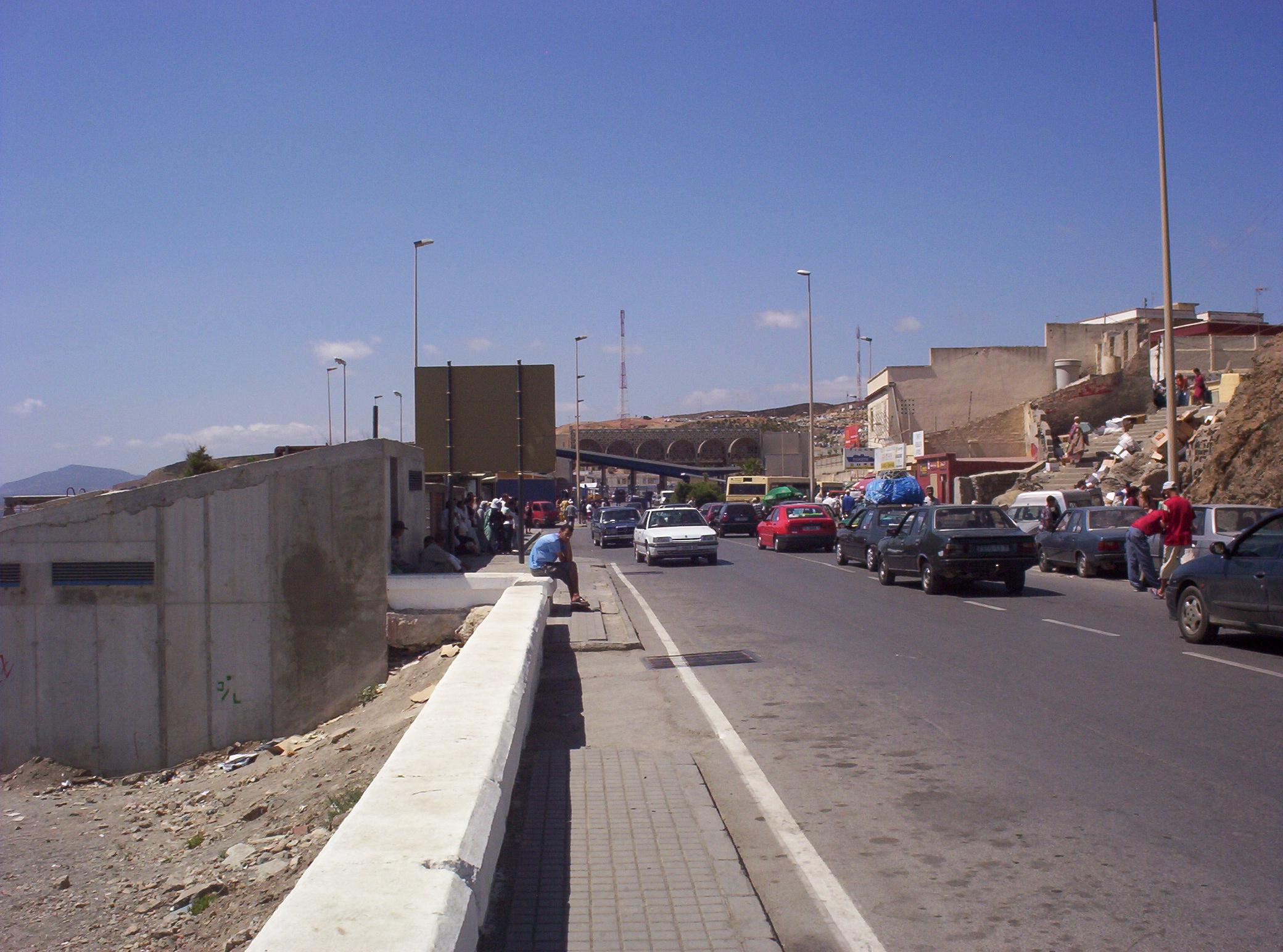
Approximately 48,000 Moroccan migrants voluntarily returned to Morocco after attempting to enter the Spanish enclave of Ceuta [2].
The mass movement underscores the volatile nature of the North African border and the humanitarian risks associated with irregular migration surges. This event has strained diplomatic relations between Spain and Morocco while highlighting the desperation of those seeking entry into Europe.
About 60,000 migrants entered Ceuta during the peak of the surge [1]. The crisis reached its height this week, specifically around Thursday and Friday. The surge resulted in a significant loss of life, with reports on the death toll ranging from nine [3] to 67 people [4].
Migrants cited hunger, exhaustion, and a crackdown by security forces as primary reasons for their decision to return [2]. Some reports indicated that Moroccan officers encouraged the movement toward the enclave, saying, "Go that way" [5].
Spain's Prime Minister Pedro Sánchez addressed the situation, saying that certain accusations regarding the crisis are driven by prejudice, fake news, ignorance, or political interest [6].
The return of the migrants follows a period of intense pressure on the Spanish military and border security forces. The enclave, located on the North African coast, became the center of a humanitarian emergency as thousands of people overwhelmed the border barriers [3].
“"Go that way"”
The rapid influx and subsequent return of tens of thousands of people illustrate the precarious balance of border control in Ceuta. The wide discrepancy in reported death tolls suggests a chaotic environment where official casualty counts may lag behind real-time events. This cycle of surge and return indicates that migration patterns in the region are heavily influenced by both the perceived openness of the border and the immediate pressures of security crackdowns.

