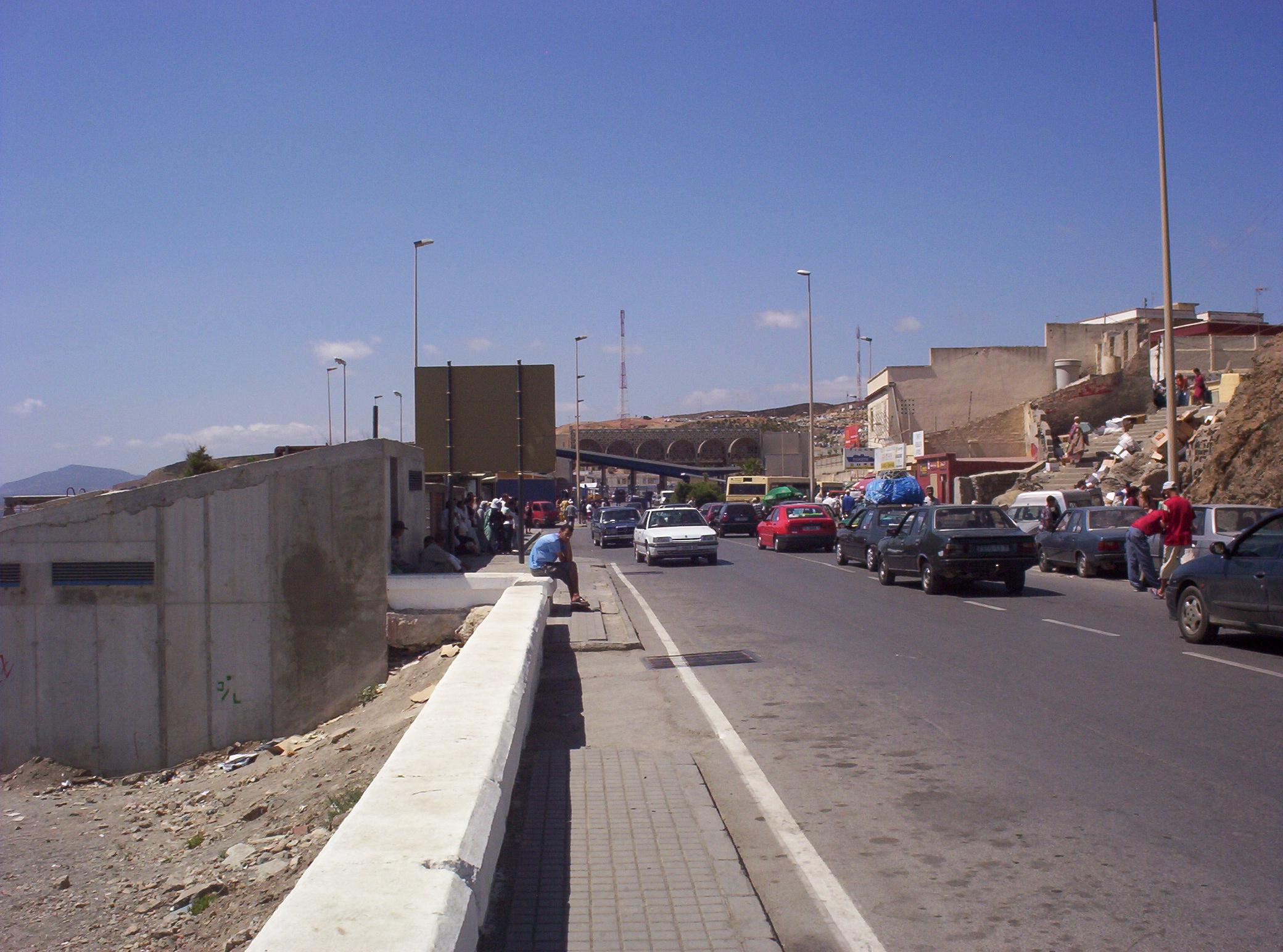
More than 48,300 Moroccan migrants returned to Morocco on Saturday after being pushed back from the Spanish enclave of Ceuta [1].
The mass return follows a violent surge of arrivals that tested border security and resulted in significant loss of life. This event underscores the volatile nature of migration routes into Europe and the willingness of Spanish forces to use military measures to secure its borders.
Reports indicate that approximately 60,000 migrants [2] attempted to enter the enclave over a few days. Other reports specify that 50,000 migrants [3] briefly stormed the territory. The breach was lethal, with 57 people killed during the chaos [3].
Spanish armed forces were deployed to contain the influx and facilitate the return of those who had crossed. According to Spanish data, over 48,300 migrants [1] have now returned to Moroccan territory. Other reports place the number at more than 48,000 [4].
Those returning to Morocco described themselves as tired and disillusioned. Migrants said hunger, hostility, and deep disappointment were the primary reasons for their return [5]. Many had hoped for a new life in Europe but faced immediate military opposition and a lack of basic necessities upon arrival.
The surge created a humanitarian crisis at the border, a narrow strip of land that separates the Spanish territory from the African mainland. The rapid deployment of security forces ensured that the majority of the arrivals were processed and sent back within a short window of time [1].
“Over 48,300 Moroccan migrants returned to Morocco on Saturday”
The scale of this surge and the subsequent pushback demonstrate the continued instability of the Ceuta border. The high death toll and the rapid return of tens of thousands of people suggest that security priorities currently outweigh humanitarian processing in the region, likely serving as a deterrent for future migration attempts.


