A California jury rejected Elon Musk's lawsuit against Sam Altman regarding the original mission of OpenAI [1].
The ruling removes a significant legal hurdle for OpenAI as it continues its transition toward a for-profit structure. The decision settles a high-profile dispute over whether the company's current trajectory violates its founding principles.
Musk alleged that Altman betrayed the nonprofit mission that OpenAI was established to uphold [1]. However, the jury found that Musk waited too long to bring the legal action, leading to the dismissal of the claims [1].
Matt Schettenhelm, a senior litigation analyst at Bloomberg Intelligence, said the implications of the verdict during a Bloomberg Television segment on Monday [1]. The legal battle highlighted the tension between the rapid commercialization of artificial intelligence and the early goals of open-source development.
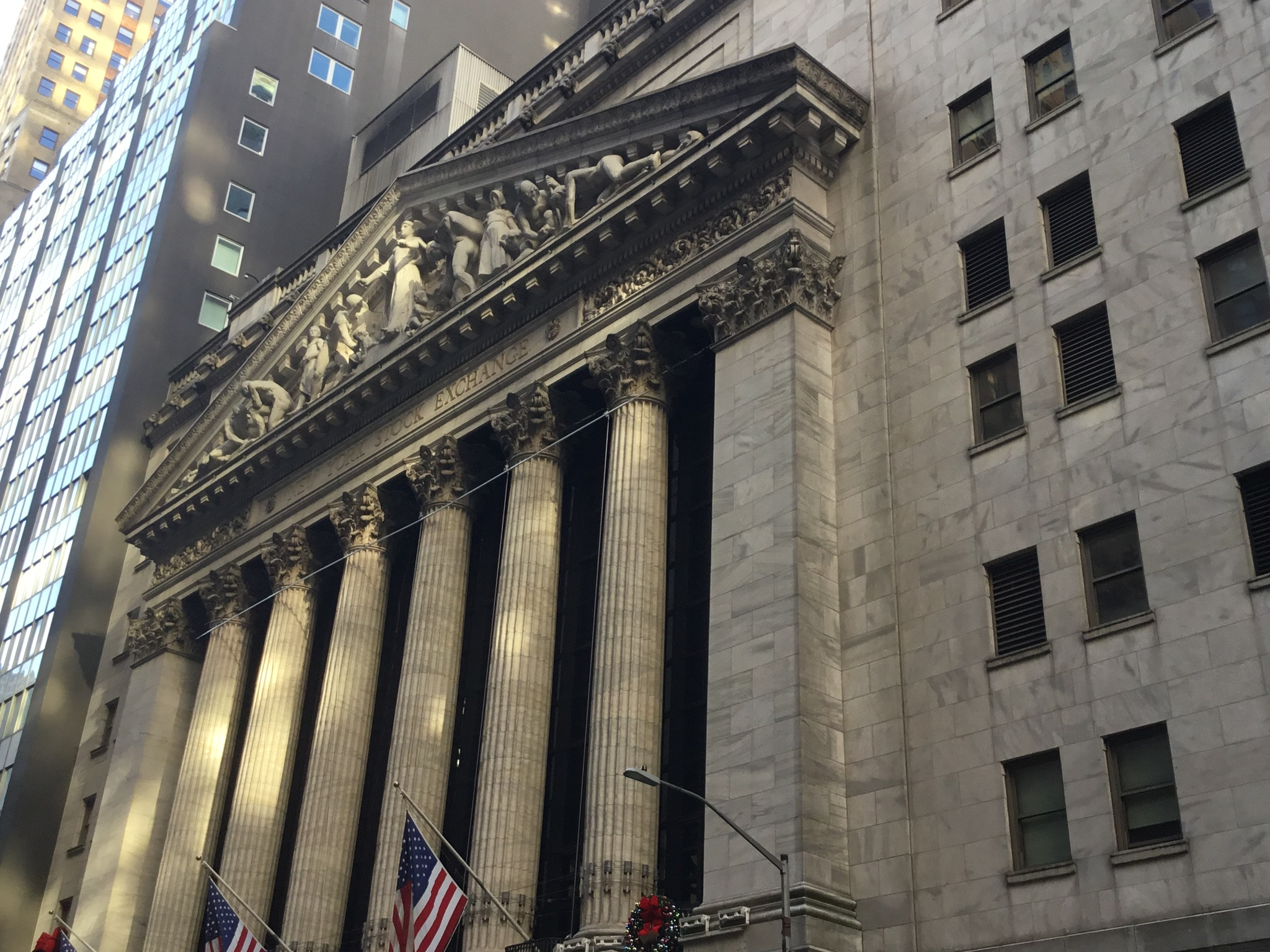
In a separate segment of the broadcast, Dr. Doug Lucas, an orthopedic surgeon with LifeMD, appeared live from the New York Stock Exchange [1]. Lucas said insights into bone health and the evolving science of longevity [1].
The juxtaposition of the legal ruling and the medical segment underscored the broad range of disruptive trends currently affecting both the tech and healthcare sectors.
“A California jury rejected Elon Musk's lawsuit against Sam Altman”
The dismissal of this lawsuit suggests that courts may be reluctant to retroactively enforce nonprofit charters once a company has pivoted to a commercial model, especially if the plaintiff delayed legal action. This provides a legal precedent that favors the operational flexibility of AI firms over the original intent of their founding donors.