The Federal Constitutional Court adjourned a hearing regarding construction delays of the Nai Gaj Dam project until June 11 [1].
The postponement stalls legal proceedings intended to address the stagnation of a critical infrastructure project in Pakistan's Sindh province. Because the dam is central to regional water and power stability, the delay in the court's review prolongs the uncertainty surrounding the project's completion.
The court is tasked with reviewing arguments concerning the specific causes of the construction delays. These arguments are being presented by the Water and Power Development Authority (WAPDA) and the project contractor [1]. The judicial body seeks to determine why the project has failed to meet its established timelines and who bears responsibility for the setbacks.
No substantive ruling was issued during the most recent session. The court instead opted to move the date to June 11 [1] to allow for further consideration of the evidence and testimony provided by the involved parties.
The Nai Gaj Dam remains a point of contention and necessity for the region. The proceedings involve complex contractual disputes between the state agency and the private contractor, a dynamic that often complicates the delivery of large-scale infrastructure in the province.
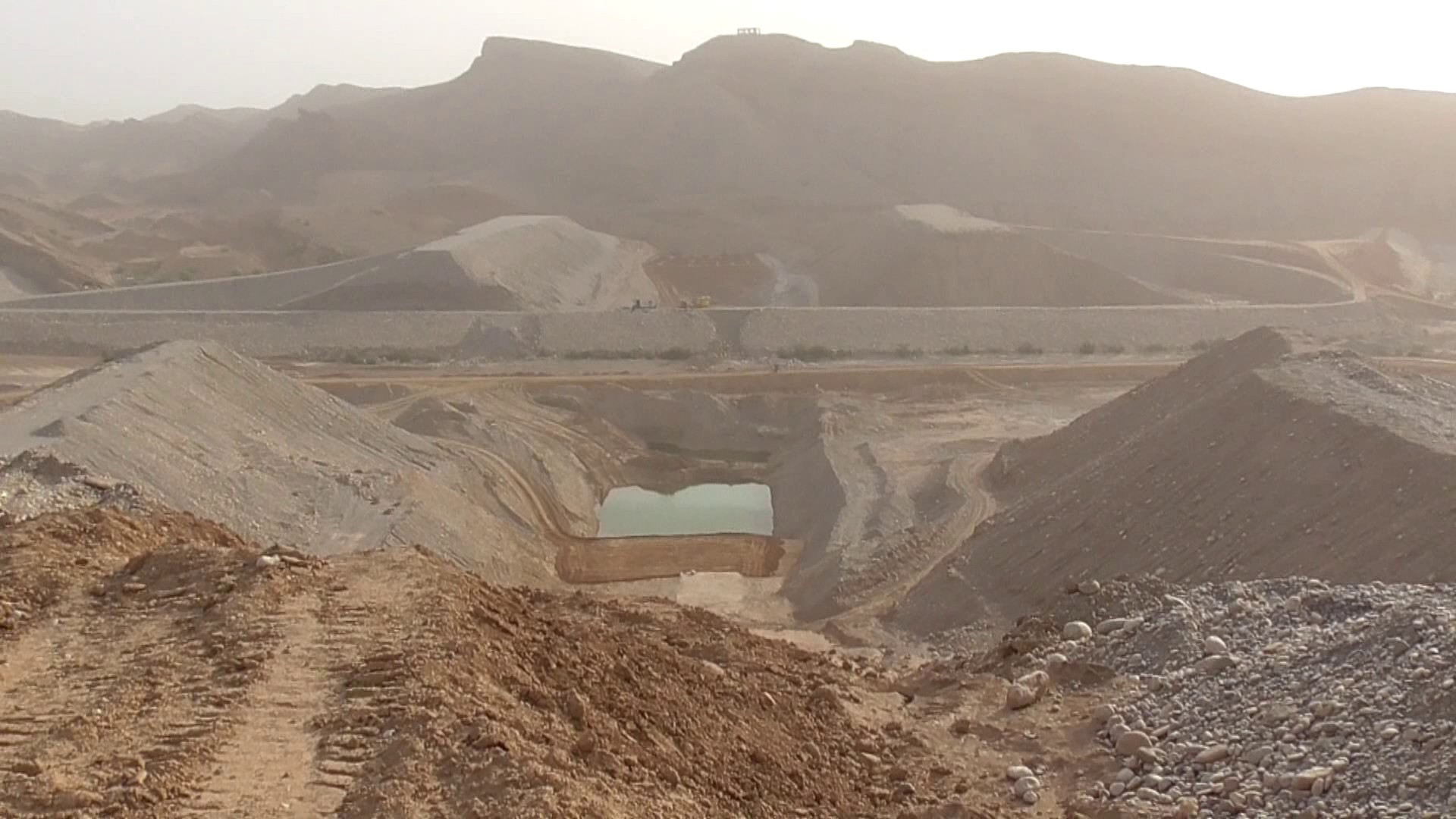
Legal observers said the adjournment is a procedural step, but it leaves the project in a state of limbo. WAPDA and the contractor must now prepare additional documentation to justify the current state of the construction site before the next scheduled appearance [1].
“The Federal Constitutional Court adjourned a hearing regarding construction delays of the Nai Gaj Dam project until June 11.”
The postponement of this hearing indicates a lack of immediate consensus between the government and the contractors. By pushing the date to June 11, the court is signaling that the current evidence provided by WAPDA and the contractor is insufficient for a final ruling, which likely extends the project's timeline and increases the risk of further cost overruns.