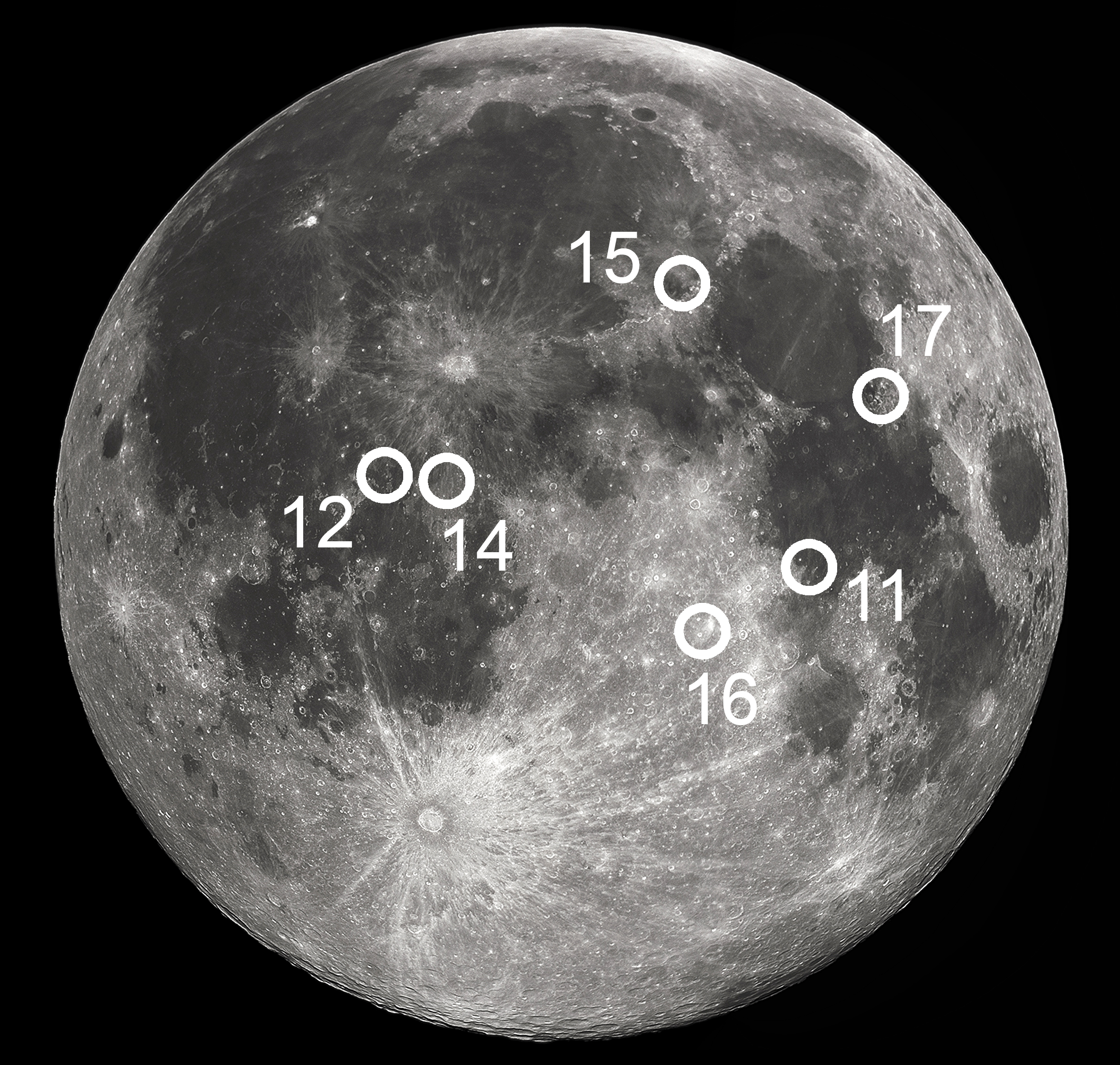
NASA announced the four-person crew for the Artemis III mission on June 9 [1].
The mission represents a critical bridge toward sustainable lunar exploration by testing the docking and rendezvous systems necessary for humans to return to the lunar surface. This phase ensures that the hardware can safely support astronauts before a full landing attempt is made.
The crew consists of NASA astronauts Andre Douglas, Frank Rubio, and Randy Bresnik, alongside ESA astronaut Samantha Cristoforetti [1]. They are scheduled to launch from the Kennedy Space Center in Florida [4]. While some reports indicate a target of early 2028, NASA and other sources said the launch is targeted for as early as late 2027 [2, 3].
Artemis III is designed as a test flight lasting approximately two weeks [1]. During this window, the crew will rendezvous with commercial lunar landers in lunar orbit to validate critical systems [4]. A NASA spokesperson said the crew will work closely with commercial partners to validate the lander systems that will eventually carry astronauts to the lunar surface [3].
Bill Nelson said Artemis III will be a critical step toward sustainable lunar exploration and will demonstrate the capabilities we need for the next generation of explorers [2]. The mission aims to prove the technologies required for the first crewed lunar surface landing since Apollo 17 [1].
Andre Douglas said he is honored to be part of a mission that will take humanity back to the Moon and set the stage for future exploration [1]. The collaboration between NASA and the European Space Agency underscores the international nature of the current lunar program.
“"Artemis III will be a critical step toward sustainable lunar exploration."”
The appointment of the Artemis III crew signals a transition from unmanned orbital tests to crewed technology validation. By utilizing commercial landers for rendezvous maneuvers rather than an immediate surface landing, NASA is mitigating risk and ensuring that the complex logistics of lunar orbit operations are stable before attempting to put boots on the ground for the first time in over five decades.


'%2F%3E%0A%20%20%20%20%3Crect%20width%3D'1600'%20height%3D'900'%20fill%3D'url(%23v)'%2F%3E%0A%20%20%20%20%3Cg%20opacity%3D'0.08'%20fill%3D'%23ffffff'%3E%0A%20%20%20%20%20%20%3Ccircle%20cx%3D'1420'%20cy%3D'180'%20r%3D'220'%2F%3E%0A%20%20%20%20%20%20%3Ccircle%20cx%3D'1500'%20cy%3D'760'%20r%3D'120'%2F%3E%0A%20%20%20%20%3C%2Fg%3E%0A%20%20%20%20%3Cline%20x1%3D'80'%20y1%3D'172'%20x2%3D'220'%20y2%3D'172'%20stroke%3D'%23ffffff'%20stroke-width%3D'3'%20stroke-opacity%3D'0.6'%2F%3E%0A%20%20%20%20%3Ctext%20x%3D'80'%20y%3D'140'%20font-family%3D'Inter%2C%20-apple-system%2C%20Helvetica%2C%20sans-serif'%20font-weight%3D'700'%20font-size%3D'28'%20fill%3D'%23ffffff'%20letter-spacing%3D'6'%3EHANNA%20%C2%B7%20NEWS%3C%2Ftext%3E%0A%20%20%20%20%3Ctext%20x%3D'80'%20y%3D'230'%20font-family%3D'Inter%2C%20-apple-system%2C%20Helvetica%2C%20sans-serif'%20font-weight%3D'600'%20font-size%3D'40'%20fill%3D'%23ffffffb3'%20letter-spacing%3D'4'%3EWORLD%3C%2Ftext%3E%0A%20%20%20%20%3Ctext%20x%3D'80'%20y%3D'694'%20font-family%3D'Playfair%20Display%2C%20Georgia%2C%20serif'%20font-weight%3D'800'%20font-size%3D'110'%20fill%3D'%23ffffff'%20letter-spacing%3D'-1'%3EKOSPI%20Surges%20After%20US-Iran%3C%2Ftext%3E%3Ctext%20x%3D'80'%20y%3D'820'%20font-family%3D'Playfair%20Display%2C%20Georgia%2C%20serif'%20font-weight%3D'800'%20font-size%3D'110'%20fill%3D'%23ffffff'%20letter-spacing%3D'-1'%3ECease-Fire%20Agreement%3C%2Ftext%3E%0A%20%20%20%20%3Ctext%20x%3D'80'%20y%3D'870'%20font-family%3D'Inter%2C%20-apple-system%2C%20Helvetica%2C%20sans-serif'%20font-weight%3D'500'%20font-size%3D'22'%20fill%3D'%23ffffff66'%20letter-spacing%3D'2'%3Enews.hanna-ai.com%3C%2Ftext%3E%0A%20%20%3C%2Fsvg%3E)