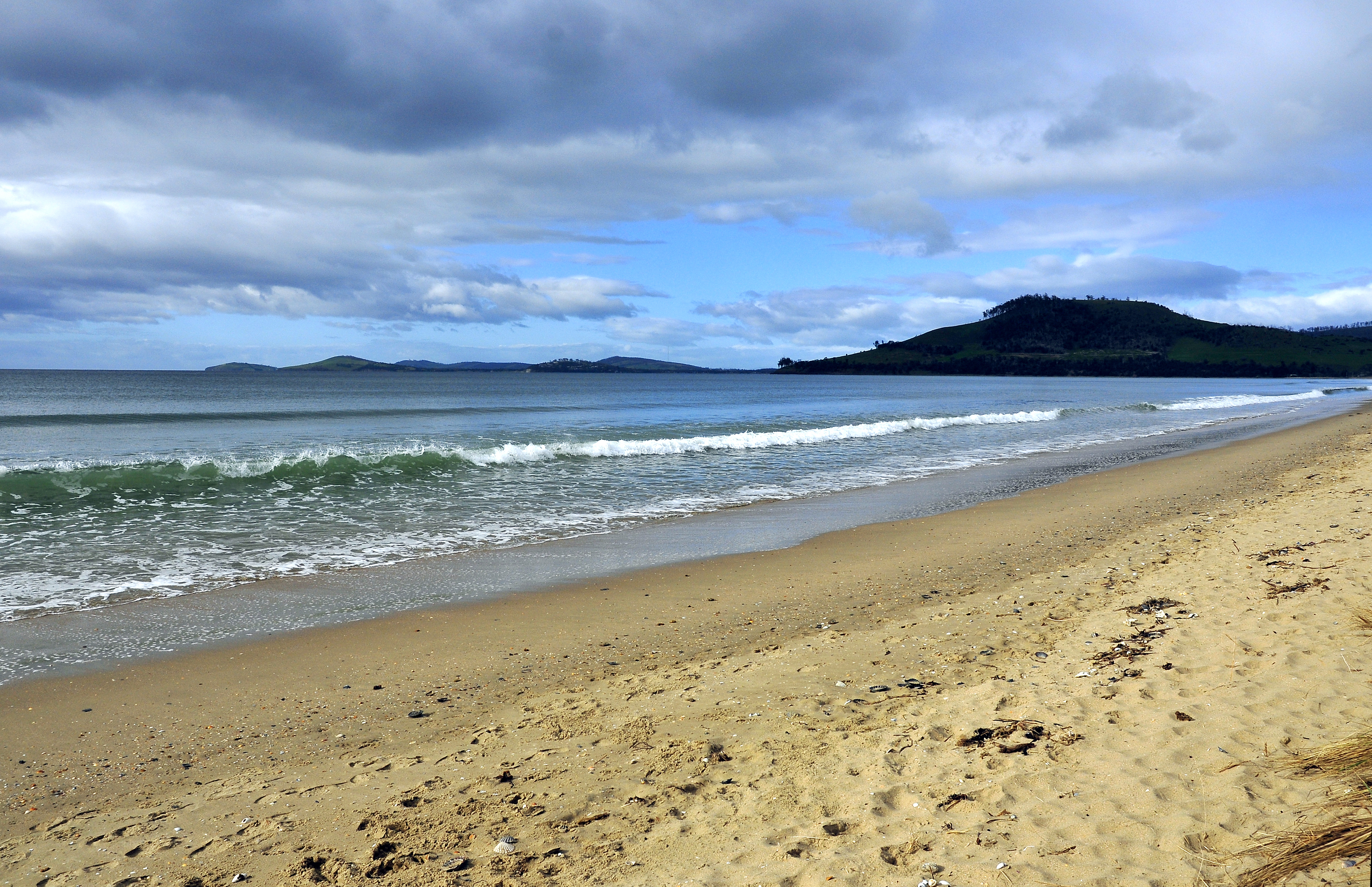
Neil the southern elephant seal returned to the sea Wednesday evening after spending several weeks on Seven Mile Beach near Hobart, Tasmania [1, 2].
The departure of the animal marks the end of a high-profile visit that drew significant public attention and required monitoring by local authorities. Because of the seal's size and tendency to wander into populated areas, his presence created a unique intersection of wildlife management and public curiosity in the region.
Authorities said the move was part of the animal's natural behavior [1]. While the seal has now left the shoreline, officials said he may return to other locations in the future [1].
Neil is a southern elephant seal with a physical presence that often startled locals. Reports on his weight vary slightly across sources, ranging from 1,000 kg [3] to 2,200 lb [4], or approximately one ton [5]. His age is similarly estimated between five [5] and six years [6].
During his time in Tasmania, the seal became a local celebrity, though his visits were sometimes chaotic. While most sightings occurred at Seven Mile Beach [1, 2], other reports placed him at Primrose Sands, located about 45 minutes east of Hobart.
Wildlife experts had previously cautioned the public to maintain a safe distance from the animal. The massive size of the seal made any close interaction potentially dangerous for humans, despite the animal's perceived curiosity. The transition back to the ocean occurs as part of the typical lifecycle and movement patterns of southern elephant seals, who spend the majority of their lives in the open water.
“The move was part of his natural behaviour”
The departure of Neil the seal highlights the ongoing challenges of managing 'charismatic megafauna' in areas where urban development meets natural habitats. While the public often views such visits as novelty events, the logistical strain on local infrastructure and the risk to animal welfare underscore the necessity of maintaining strict boundaries between wildlife and human populations.


