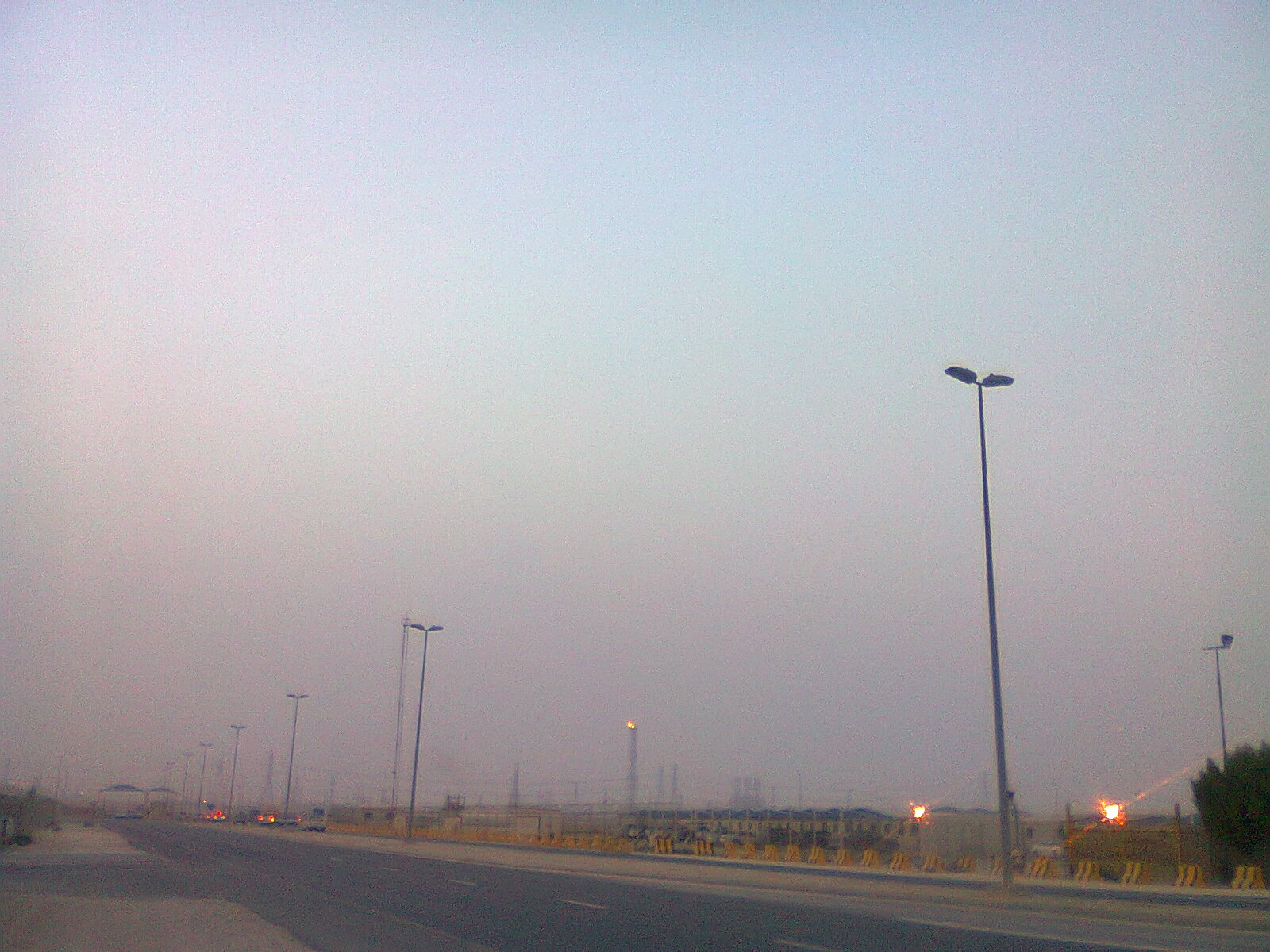
Global oil exporters and traders are diversifying supply routes to limit the impact of geopolitical tensions and tanker attacks in the Strait of Hormuz.
This shift is critical because the Strait of Hormuz serves as a primary artery for global energy. Any prolonged disruption threatens to spike energy costs and destabilize international markets, forcing a reliance on non-Gulf sources.
Recent tanker attacks and heightened tensions in the Gulf region have already influenced market volatility. Brent crude prices rose to $74 per barrel [1] following these attacks. In response, Western Hemisphere producers and Asian oil-trading firms are implementing resilience measures to ensure a steady flow of crude.
These measures include the use of alternative export routes and an increase in production within the Western Hemisphere. By reducing the global dependency on the narrow waterway, traders aim to soften the blow of potential closures or continued insecurity in the region.
Market analysts suggest that the global energy infrastructure is adapting to a "new normal" where Gulf disruptions are more frequent. This adaptation involves a strategic pivot toward more secure, albeit sometimes longer, logistics chains to prevent sudden supply shocks.
Mike McGlone of Bloomberg Television said, "Oil markets are largely accepting US assurances that the Strait of Hormuz remains open, with expanding Western Hemisphere supply and alternative export routes limiting the long‑term impact of Gulf disruptions on crude prices."
While some reports indicate that closures in the region have triggered significant disruptions to global oil markets, other analysts suggest that the ability to pivot to alternative supplies is preventing a total market collapse. The current strategy relies heavily on the ability of U.S. and other Western producers to fill the gap left by hindered Gulf exports.
“Brent crude prices rose to $74 per barrel after Hormuz tanker attacks.”
The strategic pivot away from the Strait of Hormuz signals a long-term shift in energy security. By diversifying routes and increasing Western Hemisphere production, global markets are attempting to decouple crude price stability from the volatility of a single geopolitical chokepoint. If this resilience holds, the influence of Gulf regional conflicts on global inflation may diminish over time.
'%2F%3E%0A%20%20%20%20%3Crect%20width%3D'1600'%20height%3D'900'%20fill%3D'url(%23v)'%2F%3E%0A%20%20%20%20%3Cg%20opacity%3D'0.08'%20fill%3D'%23ffffff'%3E%0A%20%20%20%20%20%20%3Ccircle%20cx%3D'1420'%20cy%3D'180'%20r%3D'220'%2F%3E%0A%20%20%20%20%20%20%3Ccircle%20cx%3D'1500'%20cy%3D'760'%20r%3D'120'%2F%3E%0A%20%20%20%20%3C%2Fg%3E%0A%20%20%20%20%3Cline%20x1%3D'80'%20y1%3D'172'%20x2%3D'220'%20y2%3D'172'%20stroke%3D'%23ffffff'%20stroke-width%3D'3'%20stroke-opacity%3D'0.6'%2F%3E%0A%20%20%20%20%3Ctext%20x%3D'80'%20y%3D'140'%20font-family%3D'Inter%2C%20-apple-system%2C%20Helvetica%2C%20sans-serif'%20font-weight%3D'700'%20font-size%3D'28'%20fill%3D'%23ffffff'%20letter-spacing%3D'6'%3EHANNA%20%C2%B7%20NEWS%3C%2Ftext%3E%0A%20%20%20%20%3Ctext%20x%3D'80'%20y%3D'230'%20font-family%3D'Inter%2C%20-apple-system%2C%20Helvetica%2C%20sans-serif'%20font-weight%3D'600'%20font-size%3D'40'%20fill%3D'%23ffffffb3'%20letter-spacing%3D'4'%3EBUSINESS%3C%2Ftext%3E%0A%20%20%20%20%3Ctext%20x%3D'80'%20y%3D'694'%20font-family%3D'Playfair%20Display%2C%20Georgia%2C%20serif'%20font-weight%3D'800'%20font-size%3D'110'%20fill%3D'%23ffffff'%20letter-spacing%3D'-1'%3EFerrari%20Crashes%20Into%3C%2Ftext%3E%3Ctext%20x%3D'80'%20y%3D'820'%20font-family%3D'Playfair%20Display%2C%20Georgia%2C%20serif'%20font-weight%3D'800'%20font-size%3D'110'%20fill%3D'%23ffffff'%20letter-spacing%3D'-1'%3EHyderabad%20Apartment%20Gate%3C%2Ftext%3E%0A%20%20%20%20%3Ctext%20x%3D'80'%20y%3D'870'%20font-family%3D'Inter%2C%20-apple-system%2C%20Helvetica%2C%20sans-serif'%20font-weight%3D'500'%20font-size%3D'22'%20fill%3D'%23ffffff66'%20letter-spacing%3D'2'%3Enews.hanna-ai.com%3C%2Ftext%3E%0A%20%20%3C%2Fsvg%3E)