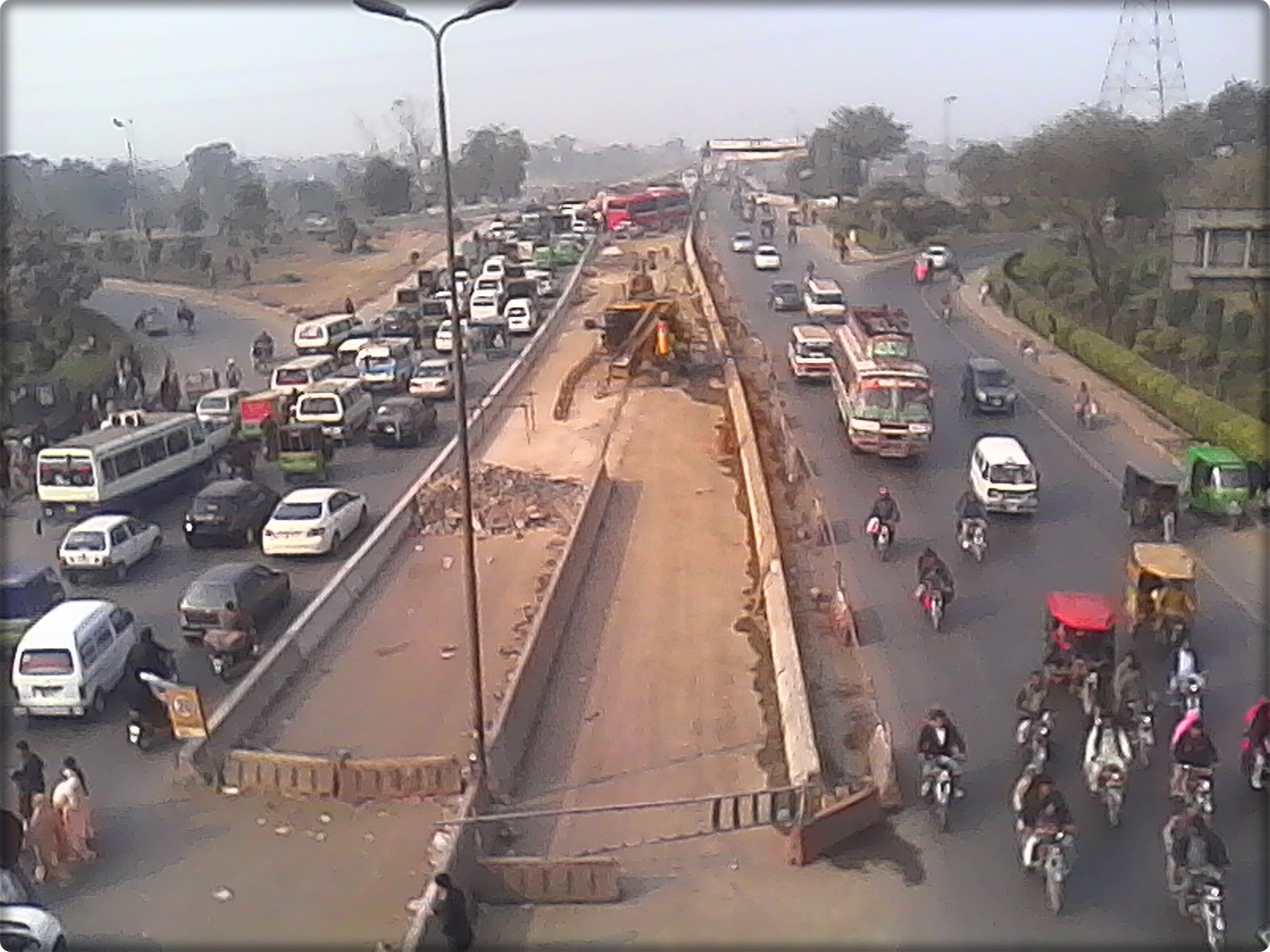
Electric scooters and motorbikes are gaining ground in Pakistan as commuters seek more affordable transport options [1].
This shift reflects a broader economic struggle as citizens attempt to mitigate the impact of rising inflation and volatile energy costs. The transition to electric mobility represents a strategic pivot for both individual consumers and local manufacturers facing a strained economy.
Major cities across the country, including Islamabad, Karachi, and Lahore, are seeing an acceleration in the electric two-wheeler market [1]. Local manufacturers are expanding their operations to meet the growing demand for alternatives to traditional internal combustion engines.
The surge in popularity is largely driven by steep increases in fuel prices [1]. These price hikes are linked to ongoing Middle East tensions and volatility in global oil markets, which have created significant pressure on domestic energy costs [1], [2].
Commuters are opting for electric vehicles to avoid the unpredictable costs of petrol. This trend is further exacerbated by rising inflation, which has reduced the purchasing power of the average citizen, making the lower operating costs of electric scooters more attractive [1], [2].
Local industry players are capitalizing on this shift by scaling production and diversifying their offerings. By focusing on urban centers, these firms aim to establish a sustainable infrastructure for electric transit in a region traditionally dependent on fossil fuels [1].
“Electric scooters and motorbikes are gaining ground as commuters look for more affordable transport options.”
The growth of Pakistan's electric two-wheeler market is a reactive economic trend rather than a purely environmental one. As geopolitical instability in the Middle East continues to fluctuate global oil prices, the reliance on imported fuel becomes a critical vulnerability for the Pakistani economy. This shift toward localization of electric vehicle manufacturing could reduce long-term dependence on foreign oil, though the pace of adoption will likely depend on the stability of the national power grid and the availability of charging infrastructure.