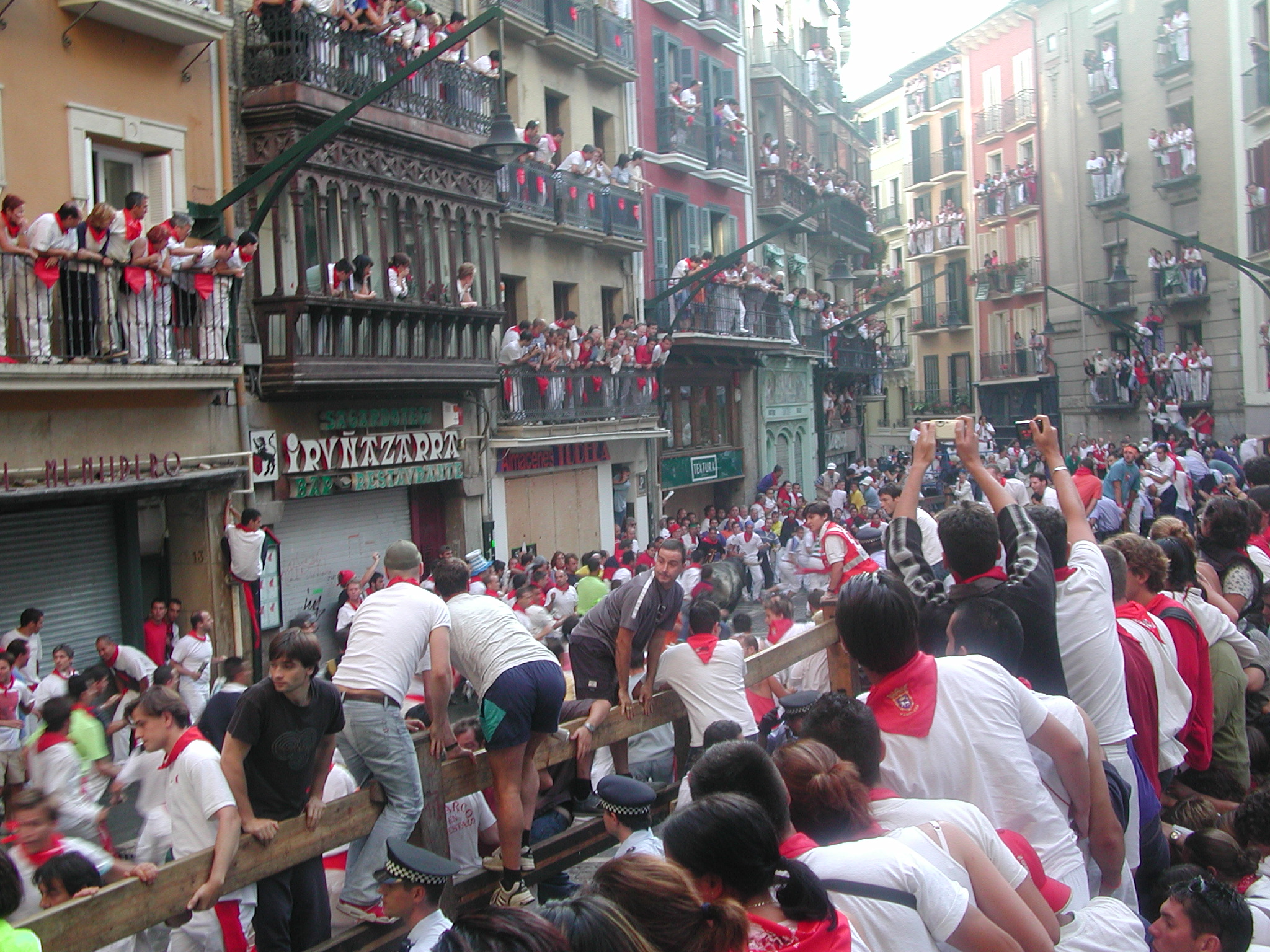
Nine runners were injured during the fourth [1] bull run of the San Fermín festival in Pamplona, Spain [1].
These incidents highlight the inherent dangers of the traditional event, where participants risk severe injury or death to run alongside charging bulls through narrow urban corridors. The event continues to draw global attention despite the recurring physical toll on participants.
During the run, charging bulls raced through the cobbled streets of the city [2]. The high speed of the animals in the confined space caused several participants to fall and be trampled [2]. Emergency responders attended to the victims on the scene, and four of the injured runners were taken to the hospital for further medical treatment [1].
The San Fermín festival is known for these hazardous runs, which are a central part of the city's cultural identity. The narrow streets of Pamplona create a bottleneck effect, increasing the likelihood of falls when the herd charges.
While some reports described the number of casualties as several [3], specific data confirms that nine people sustained injuries during this particular run [1]. Local authorities manage the route to minimize risks, but the unpredictability of the animals remains a constant factor in the event's danger profile.
“Nine runners were injured during the fourth bull run”
The repeated injuries during the San Fermín festival underscore the tension between preserving cultural traditions and ensuring public safety. Because the event relies on the unpredictable behavior of animals in a crowded urban environment, the risk of trampling remains a systemic issue that cannot be fully mitigated by city planning or safety protocols.


