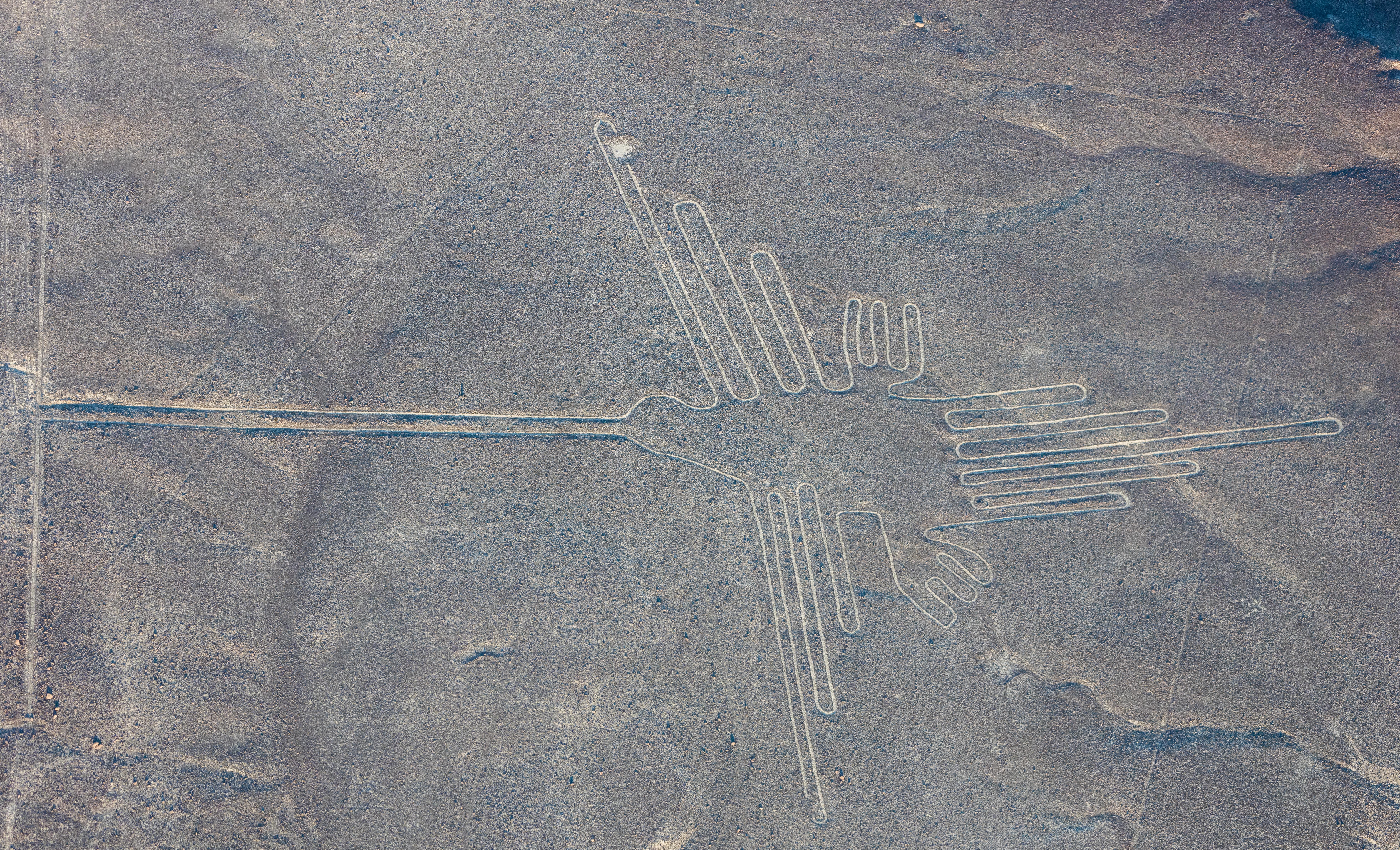
A small tourist plane crashed over the Nazca Lines in Peru on Sunday, killing all 13 people on board [1].
The accident occurred in a region known for ancient geoglyphs that are primarily viewed from the air, raising immediate concerns about the safety of aerial tourism in the area.
The aircraft went down around 1 p.m. local time [3] in the Pueblo Viejo region near the city of Nazca. Those on board included 11 passengers and two crew members [2]. All of the passengers were European tourists [1].
Local authorities said there were no survivors from the crash [1]. The aircraft was operating as a sightseeing flight, a common activity for visitors wishing to see the massive figures etched into the desert floor.
Investigators are currently working to determine the cause of the crash [4]. Initial reports indicate the plane was flying directly over the Nazca Lines when the incident occurred [4]. No specific mechanical failures or weather anomalies have been cited by officials at this time.
Recovery teams were dispatched to the Pueblo Viejo region shortly after the crash was reported. The area's remote terrain can complicate rescue and recovery efforts, though the specific location of the wreckage was identified relatively quickly due to the flight path.
“A small tourist plane crashed over the Nazca Lines in Peru on Sunday, killing all 13 people on board.”
This tragedy highlights the inherent risks of light-aircraft tourism in Peru's rugged geography. Because the Nazca Lines are best viewed from the air, the region relies heavily on small-plane operators; a fatal accident of this scale may lead to increased regulatory scrutiny and stricter safety mandates for tourist flights in the Nazca region.


