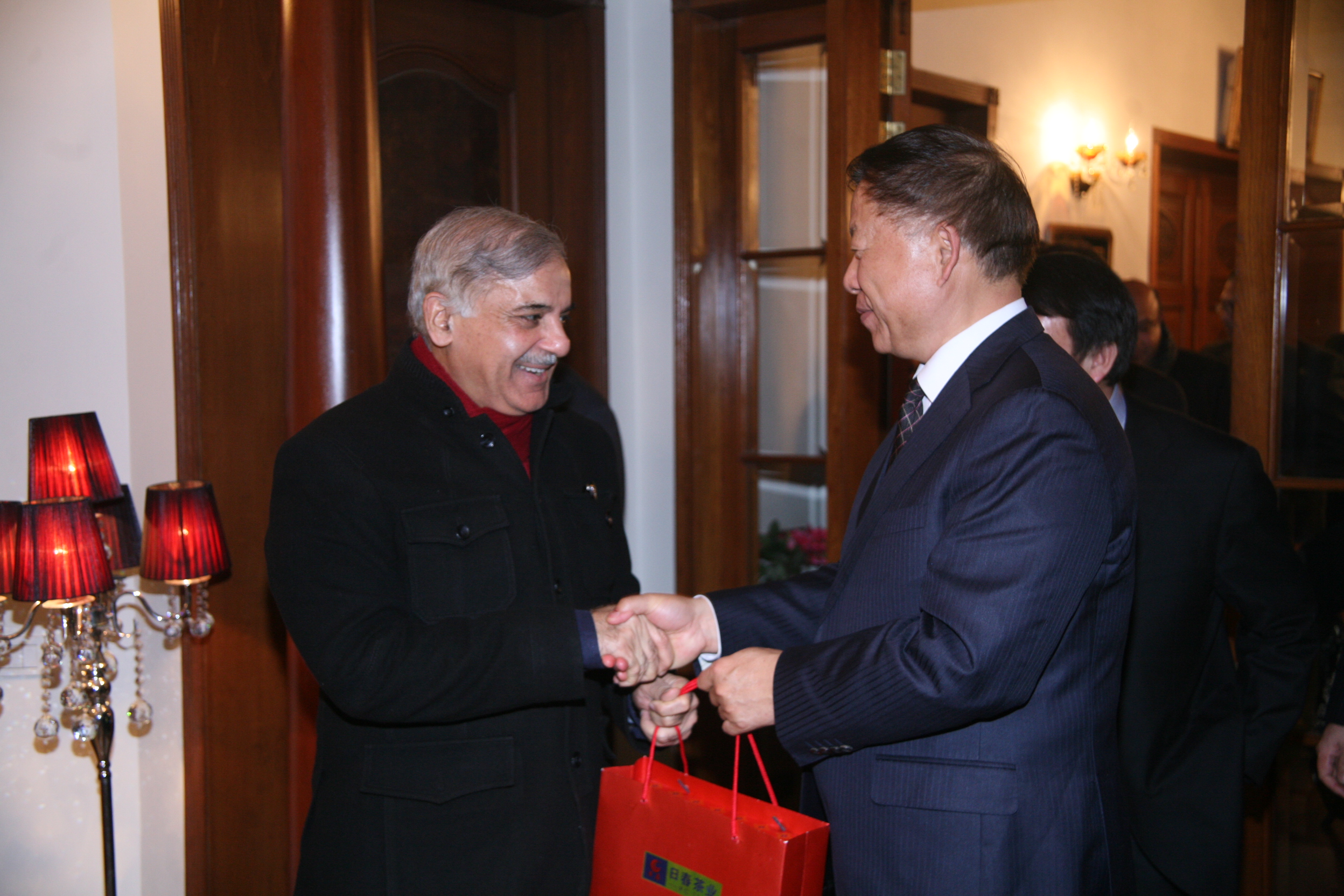
Pakistani Prime Minister Shehbaz Sharif is visiting Beijing in May 2024 to discuss bilateral relations and the China-Pakistan Economic Corridor [1, 2].
The visit occurs as Pakistan attempts to secure critical economic support and advance infrastructure projects while maintaining a delicate diplomatic balance with the U.S. and Iran [1, 2].
Central to the discussions is the China-Pakistan Economic Corridor, a massive infrastructure project designed to enhance trade and energy connectivity between the two nations [1, 2]. The state visit serves as a strategic opportunity to deepen economic and strategic ties, a priority for Islamabad as it navigates regional instability and internal economic pressures [1, 2].
Beyond the CPEC project, the two leaders are expected to address broader regional issues affecting South Asia [1, 2]. The timing of the trip is significant as Pakistan and China mark 75 years of diplomatic ties [1]. This milestone underscores the long-term strategic partnership that has persisted despite shifting global political landscapes [1].
Diplomats said the talks will focus on how to accelerate the implementation of CPEC projects to ensure they provide immediate economic relief to the Pakistani public [1, 2]. By strengthening the bond with Beijing, Sharif aims to solidify a reliable partner for investment and security cooperation [1, 2].
However, the visit also highlights the complexities of Pakistan's foreign policy. The administration must ensure that its deepening reliance on Chinese investment does not alienate Western allies or disrupt its relationship with neighboring Iran [1, 2].
“Pakistan and China are marking 75 years of diplomatic ties during the visit”
This visit signifies Pakistan's continued reliance on China as its primary strategic and economic partner. By prioritizing the China-Pakistan Economic Corridor, Islamabad is attempting to stabilize its economy through foreign investment, though this strategy risks increasing its debt dependency on Beijing while complicating its security relationship with the U.S.