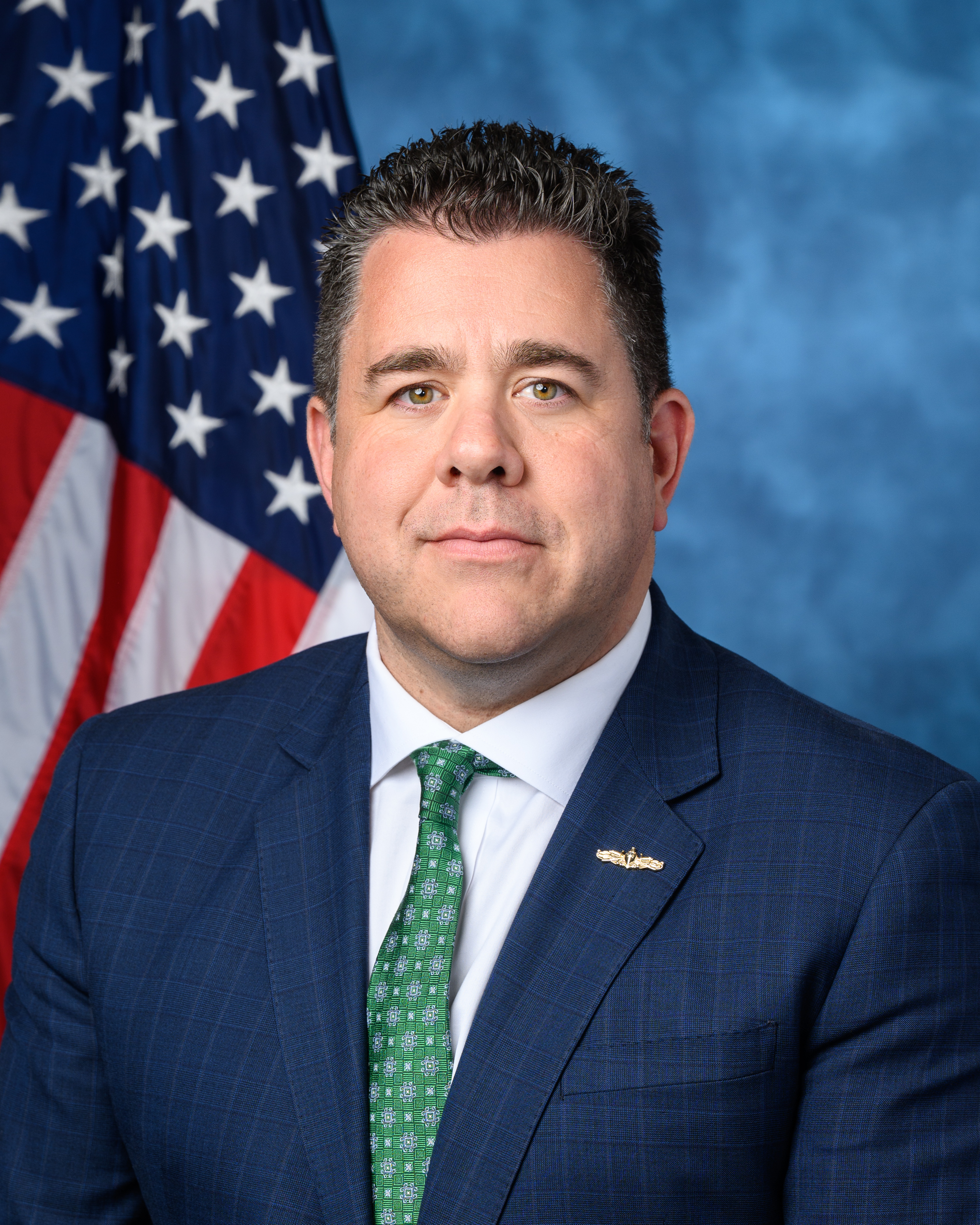
Rev. Norman MacPhee apologized after using the term "residential school" to describe an institution he helped establish in Honduras [2].
The comments occurred during a Cape Breton University convocation ceremony in early June 2024 [2, 3]. The remark sparked immediate backlash because the term "residential school" is tied to the systemic abuse and forced assimilation of Indigenous children within Canada's own history.
MacPhee, a Catholic priest from Cape Breton, was speaking about his work in Honduras when he made the comparison [1, 2]. During the event, he said, "Residential schools don't get good press, but this one gets very good press in Honduras" [1].
The phrasing drew criticism for trivializing the trauma associated with the Canadian residential school system. In response to the public outcry, Cape Breton University issued an apology for the words used by the priest [3].
MacPhee later addressed the controversy by expressing his remorse. "I regret the comments I made about the residential school in Honduras," MacPhee said [2].
The incident highlighted the sensitivity surrounding colonial legacies in Canada. While the priest was referencing a specific project in Central America, the terminology used in a Canadian academic setting evoked a history of state-sponsored harm [2, 3].
“"Residential schools don't get good press, but this one gets very good press in Honduras."”
This incident underscores the profound social and emotional weight of the term 'residential school' in Canada. Because the Canadian residential school system is a central point of national trauma and reconciliation efforts, the use of the phrase in any context—even when referring to international projects—can be perceived as a dismissal of that history. The rapid response from both the speaker and the university reflects the high standard of cultural sensitivity currently expected in Canadian public and academic discourse.