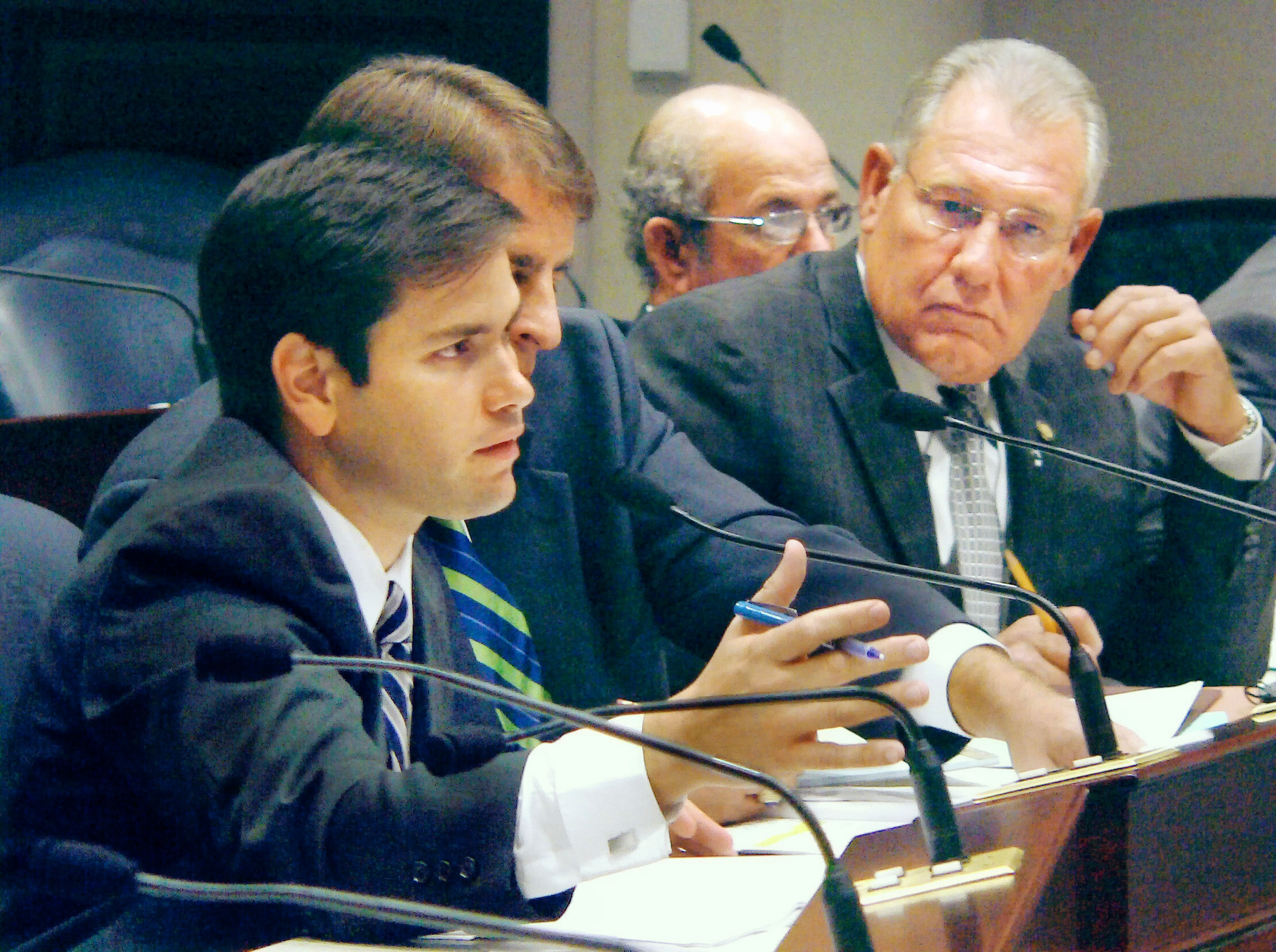
Secretary of State Marco Rubio testified before a Senate committee Wednesday afternoon regarding the State Department's fiscal 2027 budget request [1].
The hearing comes as the U.S. government navigates a volatile security environment in the Middle East. The funding request must account for diplomatic and strategic needs while the administration manages an active conflict with Iran.
Rubio appeared before the Senate Appropriations Committee [1] to outline the financial requirements for the coming fiscal year [1]. The testimony focused on the State Department's ability to maintain international stability amid ongoing turmoil in the Middle East [1].
A primary point of contention during the proceedings was the status of the war involving Iran, which has lasted three months [4]. The conflict has created significant regional instability, including the closure of the Strait of Hormuz—a critical artery for global energy shipments.
Rubio also faced questioning in the House of Representatives. During that session, Democratic lawmakers pressed the secretary on the progress of the Iran war and the lack of visible momentum in negotiations to end hostilities [2].
The budget request for fiscal year 2027 [1] arrives as diplomatic efforts to reopen the Strait of Hormuz have seemingly stalled [2]. The administration is tasked with balancing the costs of these diplomatic failures against the need for increased security spending.
While some reports identified the hearing as taking place before the Senate Foreign Relations Committee, other records indicate it was the Appropriations Committee [1, 3]. Rubio's testimony serves as the formal justification for the resources the State Department requires to manage these geopolitical crises.
“The funding request must account for diplomatic and strategic needs while the administration manages an active conflict with Iran.”
The intersection of a budget hearing and an active three-month war indicates that the U.S. is shifting its diplomatic funding toward crisis management. The focus on the Strait of Hormuz suggests that economic security and energy stability are now the primary drivers of the State Department's fiscal priorities in the Middle East.