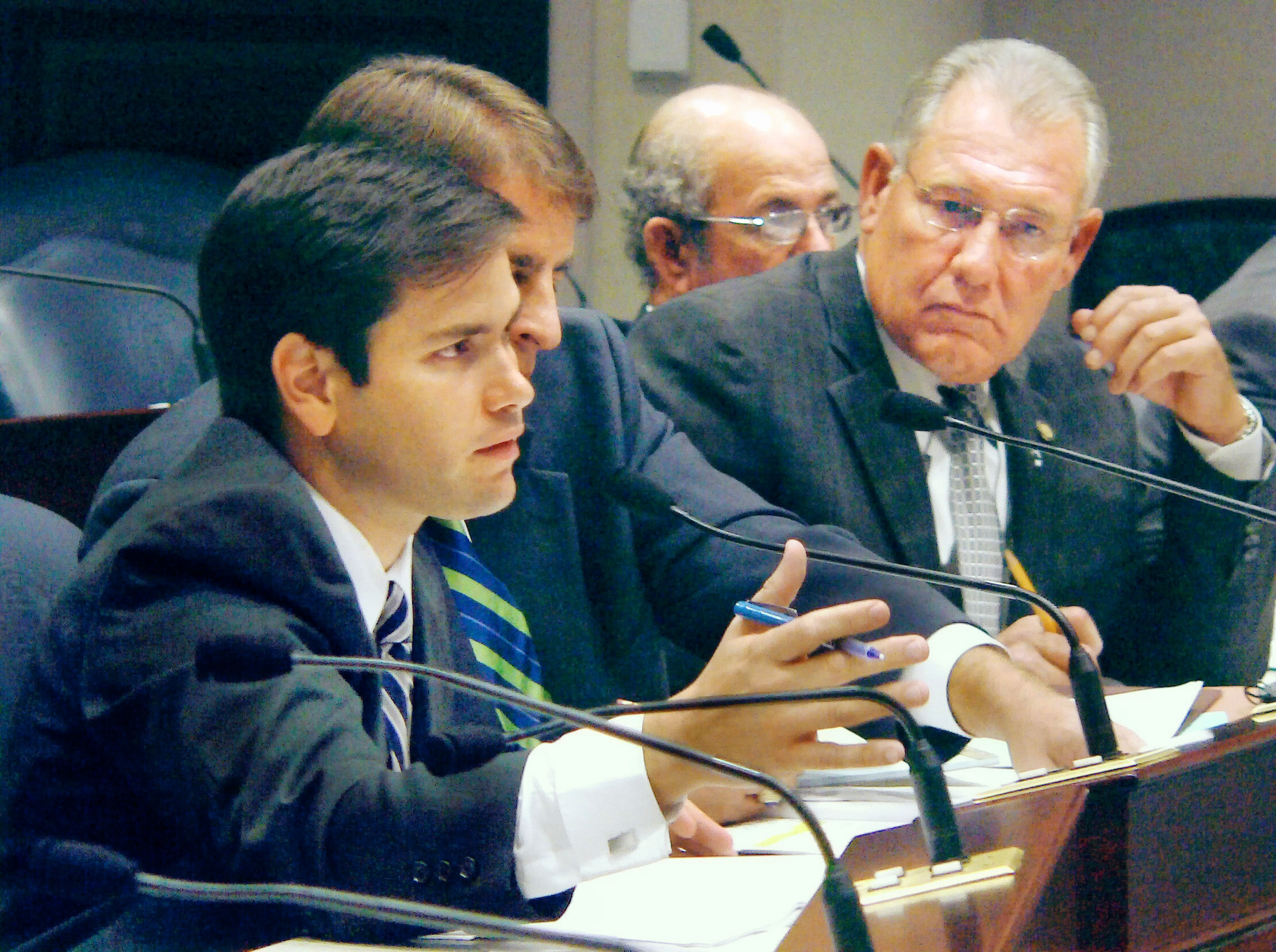
U.S. Secretary of State Marco Rubio testified before a House Committee on Tuesday regarding the ongoing war with Iran and the FY 2027 budget request [1].
The testimony marks the first time Rubio has appeared before Congress since the start of the Iran war. His appearance comes as lawmakers scrutinize the Trump administration's "America First" foreign-policy agenda and its impact on global stability.
Rubio discussed the Department of State's budget request for Fiscal Year 2027 [1]. During the hearing in Washington, D.C., he addressed the administration's approach to the conflict and the possibility of renewed nuclear talks with Iran [1, 2].
Despite the potential for diplomacy, Rubio said the Trump team has not offered sanctions relief in exchange for reopening the Strait of Hormuz [1]. The secretary said he is optimistic about the prospect of nuclear negotiations, though he maintained a firm stance on the current requirements for Iranian cooperation [1].
Lawmakers questioned the lack of incentives provided to Iran to end the hostilities. Rubio's testimony focused on balancing the pressure of sanctions with the strategic goals of the U.S. government, a central pillar of the current administration's strategy to limit Iranian influence in the region [1, 2].
The hearing served as a primary venue for the administration to justify its spending priorities for the coming fiscal year. Rubio said the budget is designed to support a foreign policy that prioritizes U.S. national interests above international consensus [1, 3].
“The Trump team has not offered sanctions relief for reopening the Strait of Hormuz.”
The testimony signals a rigid adherence to the 'America First' doctrine, where the U.S. leverages maximum pressure through sanctions rather than offering immediate concessions to achieve diplomatic breakthroughs. By refusing sanctions relief for the Strait of Hormuz, the administration is testing Iran's willingness to capitulate under economic strain before engaging in formal nuclear negotiations.