
U.S. Secretary of State Marco Rubio said Tuesday that a peace deal between the U.S. and Iran could take a few more days to finalize [1].
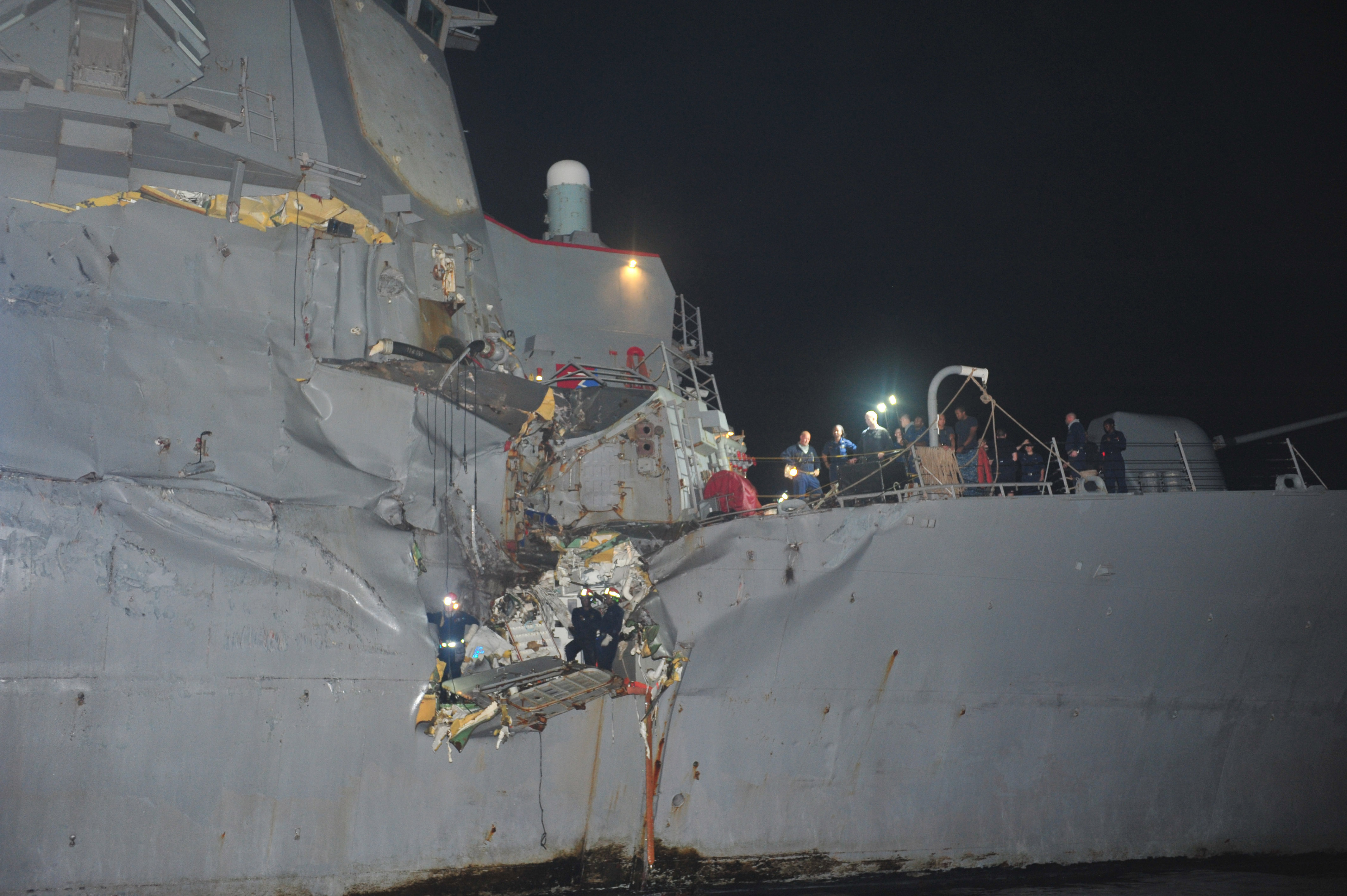
The timeline for the agreement is critical as it follows a period of escalation, including U.S. strikes on missile sites and mine-laying ships in the Strait of Hormuz [1], [4]. The resolution of these negotiations could determine whether the region returns to stability or faces further military conflict.
Rubio said that while the process is moving forward, a final agreement is not yet signed. "It could take a few more days," Rubio said [2]. He also said that a deal could still be days away [3].
Negotiators are currently working through specific technical and political hurdles. A U.S. official said progress is being made, but the language regarding sanctions, and nuclear issues still needs to be ironed out [5]. These two points remain the primary sticking points preventing an immediate signature.
The diplomatic push comes amid high tensions in the Strait of Hormuz, where the U.S. recently launched defensive strikes [2]. The U.S. has targeted assets used for mine-laying and missile launches to secure maritime corridors, a move that has increased the urgency for a diplomatic exit strategy [1], [4].
Officials have not specified the exact number of days remaining in the talks, but the focus remains on resolving the disputes over nuclear constraints and the lifting of sanctions [5]. The U.S. administration continues to balance military pressure with diplomatic outreach to reach a sustainable peace [1].
“"It could take a few more days."”
The delay in finalizing the peace deal suggests that while both parties are incentivized to avoid a full-scale war, significant ideological gaps remain regarding nuclear proliferation and economic sanctions. The U.S. strategy of combining targeted military strikes in the Strait of Hormuz with diplomatic negotiations aims to force concessions from Iran while providing a clear off-ramp to prevent further escalation.


