Russian military forces launched a coordinated attack using almost 200 [1] unmanned aerial vehicles against targets across Ukraine on June 3, 2026.
The scale of the assault and the targeting of critical energy infrastructure signal an intensified effort to degrade Ukrainian morale and operational capacity. The strikes coincide with internal Russian instabilities and shifting diplomatic relations with neighboring allies.
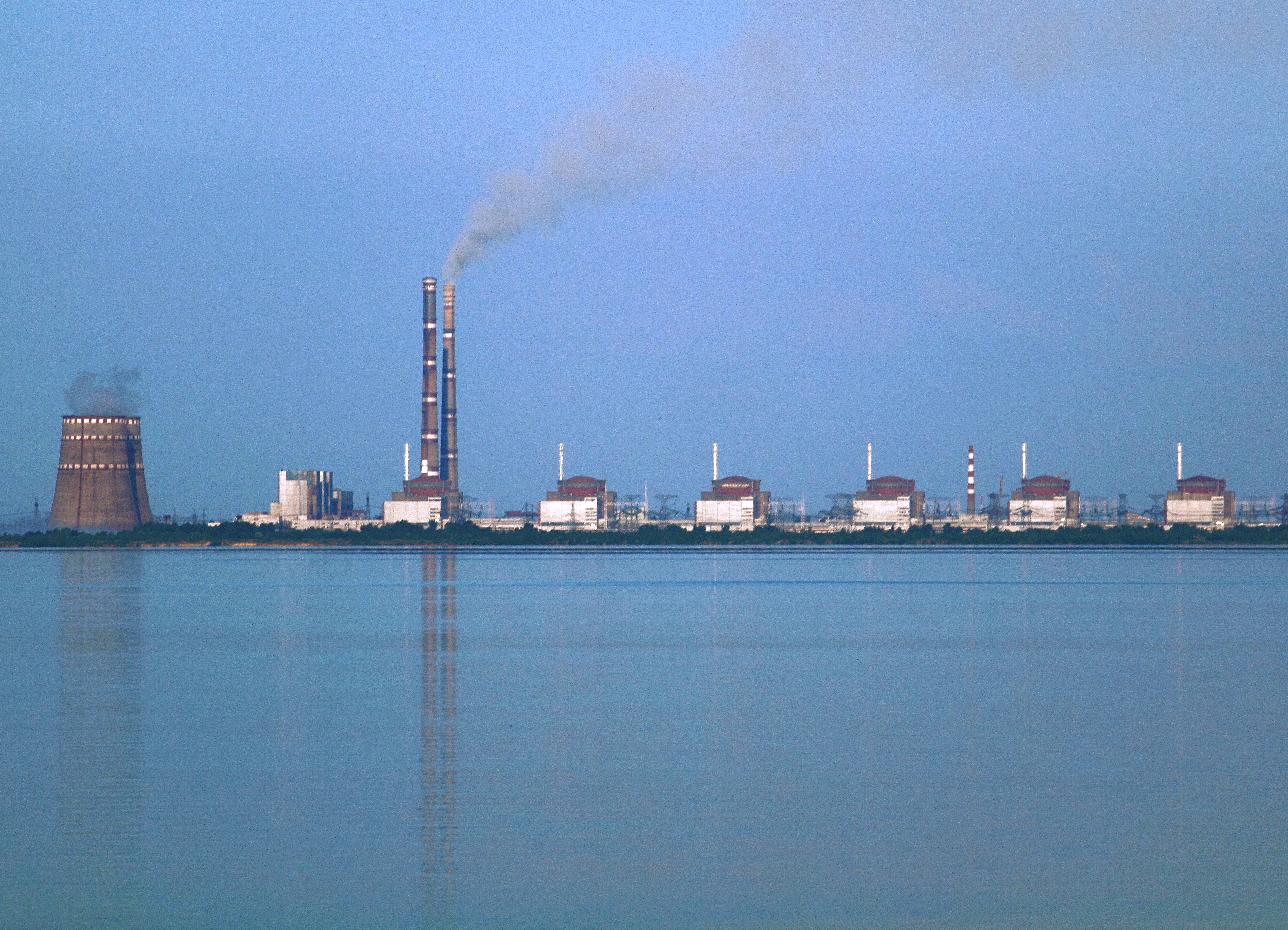
Among the primary targets was the Zaporizhzhia Nuclear Power Plant, where the strikes resulted in a blackout [1]. The loss of power at Europe's largest nuclear facility raises immediate safety concerns regarding the cooling of reactors, and the stability of the site.
In the Donetsk region, reports emerged regarding the alleged use of phosphorus munitions [1]. Such weapons are highly controversial due to the severe burns they cause and the difficulty of extinguishing them once ignited.
While Russia pressed its offensive in Ukraine, its own territory faced significant disruptions. Large fires broke out at oil depots in Saint Petersburg [1]. These blazes contributed to a broader gasoline shortage currently affecting various regions within Russia [1].
The geopolitical fallout from these events extends beyond the immediate combat zones. Diplomatic tensions have risen between Ukraine and Poland [1]. While the specific cause of the friction was not detailed, the timing suggests a volatile period for Eastern European security cooperation.
Russian forces continue to utilize UAVs as a primary tool to disrupt infrastructure [1]. The simultaneous nature of the drone swarm and the internal Russian fuel crisis suggests a period of high volatility for both combatants.
“Russian military forces launched a coordinated attack using almost 200 unmanned aerial vehicles”
The simultaneous targeting of the Zaporizhzhia Nuclear Power Plant and the occurrence of oil depot fires in Saint Petersburg highlight a strategy of mutual infrastructure attrition. The blackout at a nuclear facility increases the risk of a radiological incident, while Russia's domestic gasoline shortage may limit its long-term logistical capabilities. Furthermore, the fraying diplomatic ties with Poland could complicate the flow of Western military aid to Ukraine.