
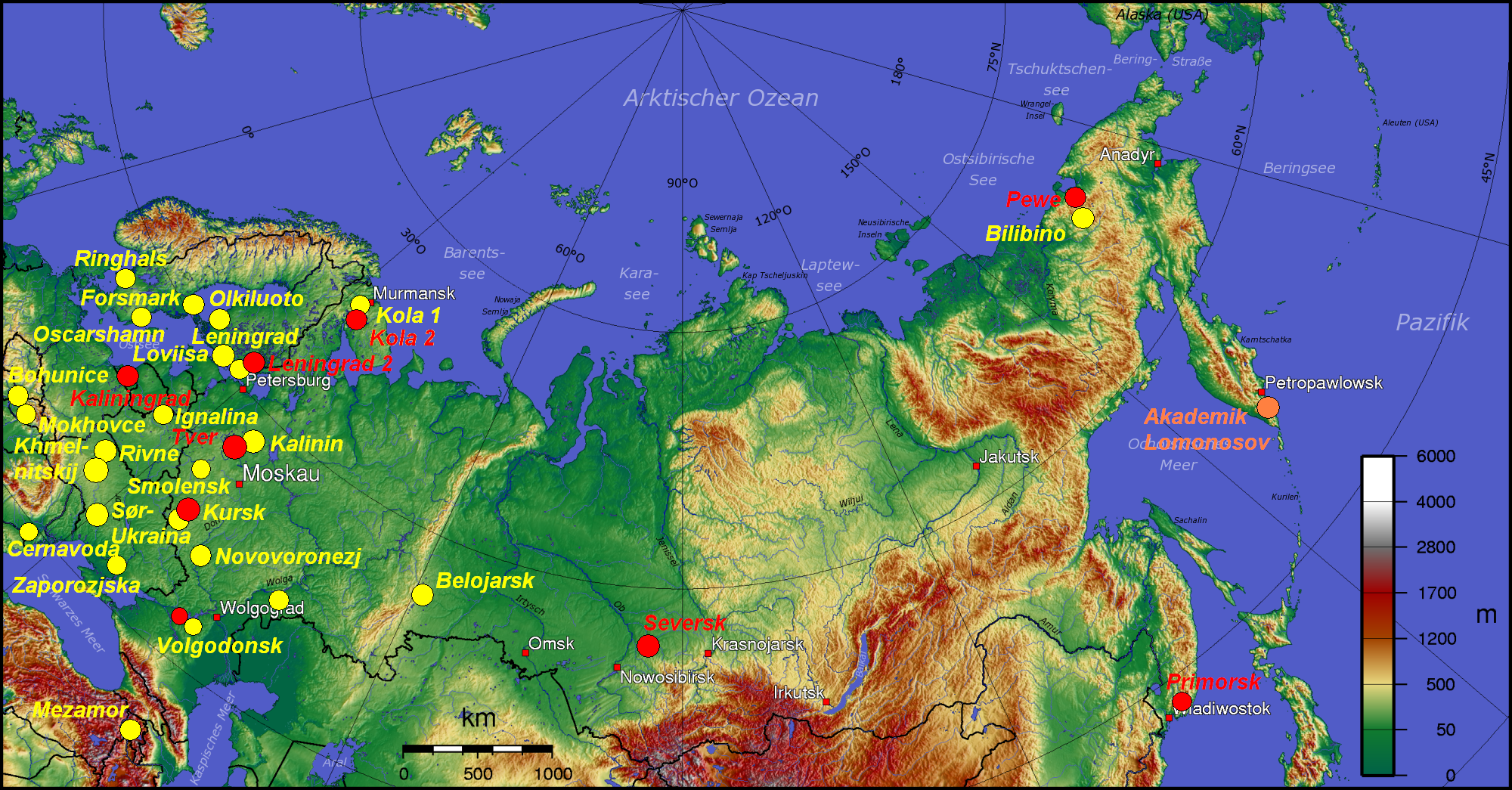
Russia is expanding a global network of nuclear power reactors and fuel supply contracts to create economic dependence for diplomatic influence [1].
This strategy creates a long-term reliance on Russian technology and materials. Because nuclear plants require decades of maintenance and a steady supply of fuel, nations that partner with Moscow become tethered to Russian state interests for the duration of a plant's lifecycle.
The Russian state operates this expansion primarily through its nuclear corporation, Rosatom [1]. By exporting reactor designs and the fuel required to run them, the Kremlin establishes a "network of dependence" [1]. This framework allows Russia to shape diplomatic challenges and extend its geopolitical reach across various countries that have signed these contracts [1].
These partnerships are not merely commercial transactions. The integration of Russian fuel and technical expertise into a nation's energy grid ensures that the host country remains dependent on Moscow's cooperation to maintain its power stability [1].
The acceleration of this nuclear diplomacy has become more pronounced in recent years [1]. This approach allows Russia to project power far beyond its borders by positioning itself as an indispensable partner in the global transition toward nuclear energy [1].
“Russia is building a global network of nuclear power reactors and fuel supply contracts to create economic dependence.”
Russia's strategy transforms energy infrastructure into a geopolitical tool. Unlike oil or gas, which can be rerouted or replaced more quickly, nuclear power creates a multi-decade commitment to a specific supplier for fuel and specialized parts. This ensures that partner nations are less likely to oppose Russian foreign policy goals for fear of jeopardizing their domestic energy security.


