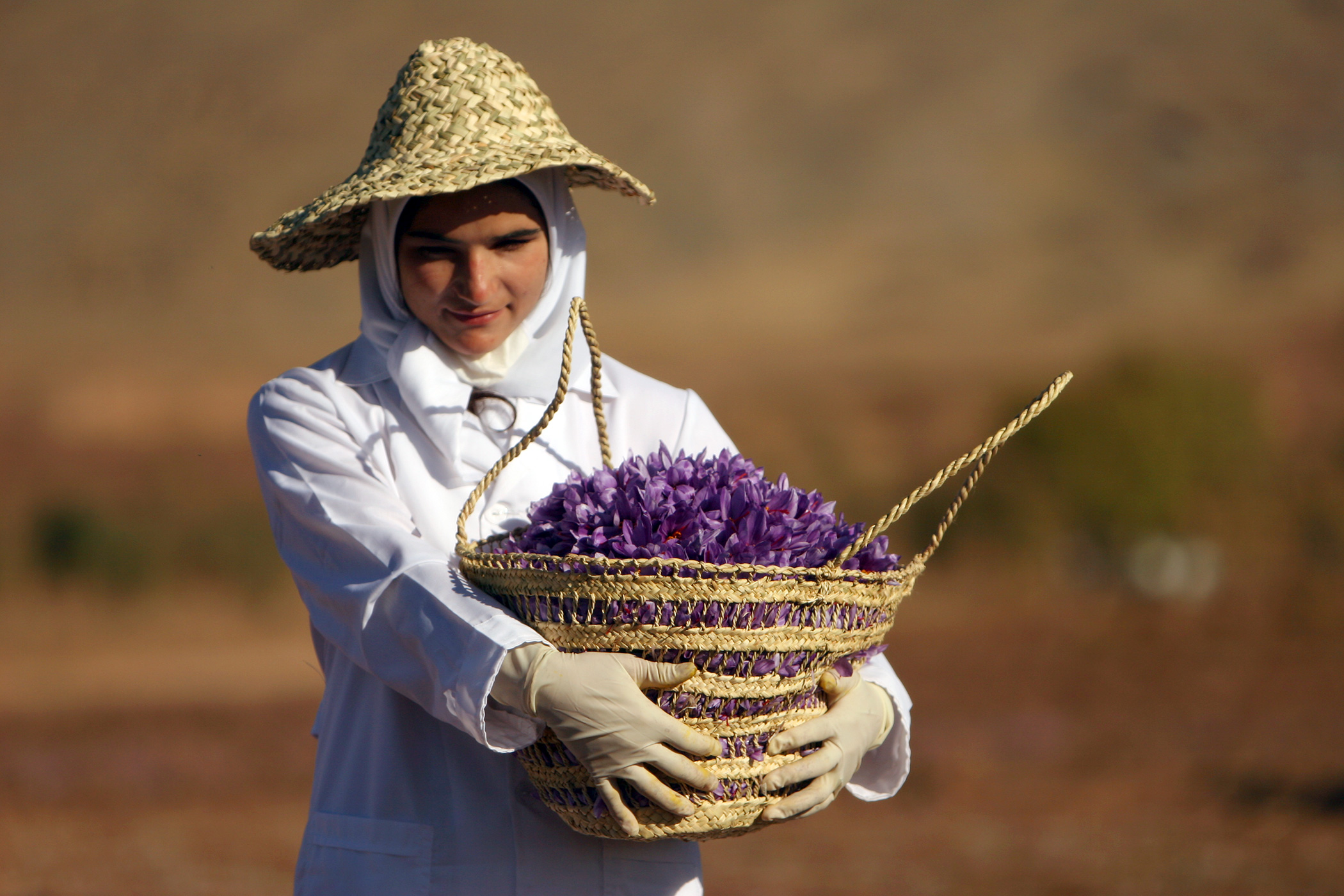
Saffron is widely regarded as the most expensive spice in the world per gram or pound [1, 2, 3, 4].
The high cost reflects the extreme labor required to produce the spice, which is harvested from the stigma of the Crocus sativus flower. Because the process cannot be mechanized, the price remains high across global markets, including production regions in Iran and Canada [2, 3, 5].
Production requires a massive volume of raw materials for a small yield. Approximately 150,000 flowers must be harvested by hand to produce a single commercial batch [1, 6]. Each individual flower provides only three crimson threads, known as stigmas [1].
The timing of the harvest adds further pressure to the supply chain. The window to collect the flowers lasts only a few weeks each year [1]. This narrow timeframe requires a concentrated burst of manual labor to ensure the crop is gathered before it spoils.
These factors contribute to a market price that can reach up to $10,000 per pound [7]. While most sources identify it as the top-priced spice, some reports from India list it as the second most expensive spice worldwide [4].
Farmers must carefully extract the three threads from every bloom to maintain the quality of the spice. This meticulous process ensures the purity of the saffron, which is valued for its distinct color, and flavor [1, 4].
“Approximately 150,000 flowers must be harvested by hand for a commercial batch.”
The pricing of saffron is a direct result of biological constraints and labor costs rather than simple market speculation. Because the spice depends on a specific flower with a very short blooming period and requires manual extraction of only three threads per plant, the supply remains inelastic. This makes the commodity highly susceptible to labor shortages and climate disruptions during its brief harvest window.


