A fast-moving wildfire burned more than 1,300 acres [1] in Simi Valley, California, prompting mandatory evacuations on May 18, 2026.
The blaze highlights the ongoing vulnerability of Southern California's residential areas to rapid-fire spread during periods of dry conditions and high winds.
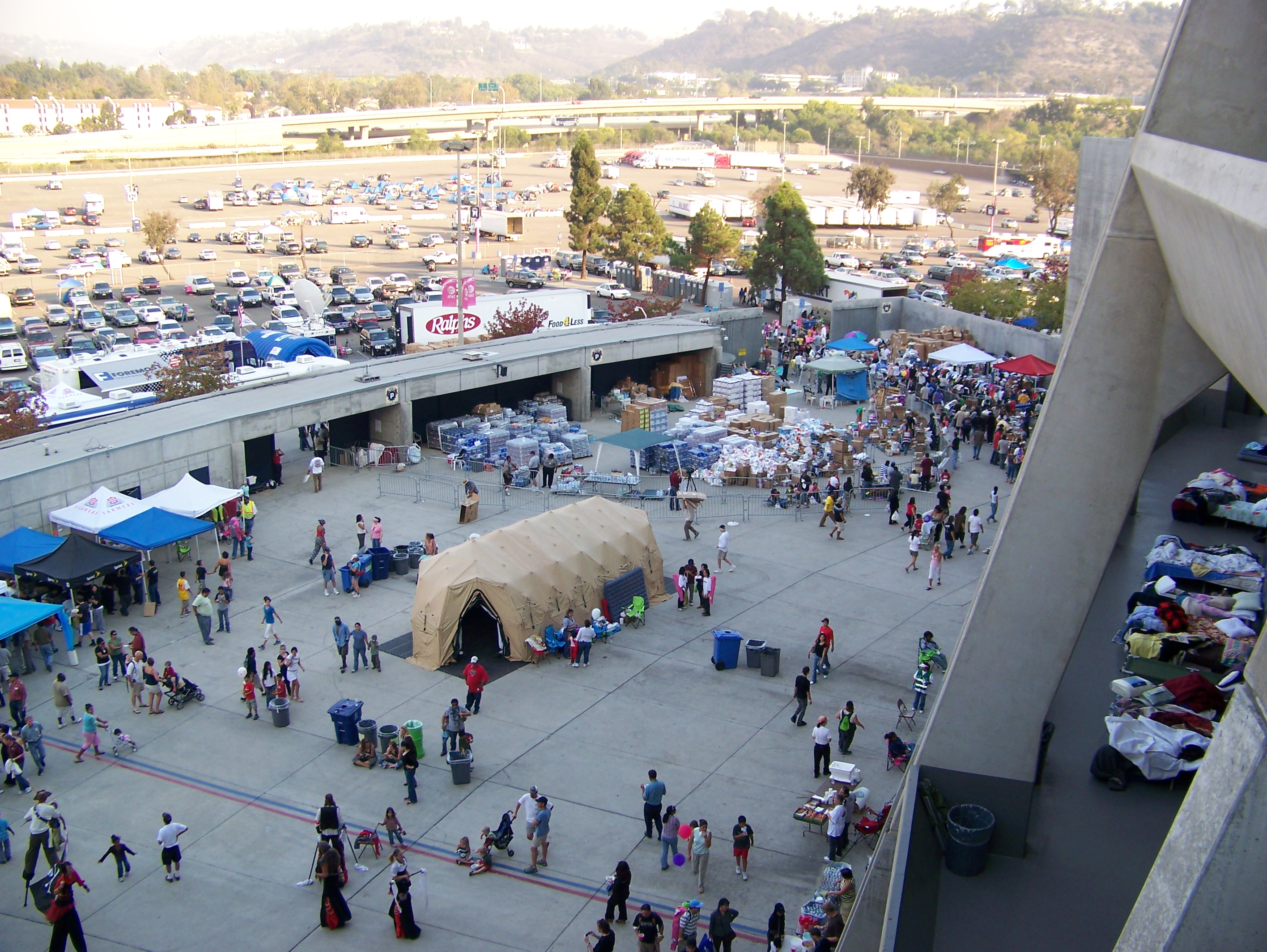
Cal Fire officials said the fire was spreading "dangerously fast" and was threatening structures as well as infrastructure [4]. The fire's rapid growth led authorities to order the evacuation of 28,500 people [5]. Other reports noted that thousands of residents were forced from their homes as the flames advanced [3].
Firefighting operations involved both air and ground crews from the Ventura County Fire Department and Cal Fire [1]. Despite the initial speed of the fire, a Ventura County Fire Department spokesperson said firefighters were able to make significant progress due to the favorable weather and cooler temperatures [6].
As of the latest reports, containment of the Sandy Fire stood at 5% [1]. Strong winds and dry conditions were cited as the primary drivers that allowed the fire to spread across the landscape so quickly [4].
Emergency crews continue to monitor the perimeter to prevent further spotting in residential zones. The coordination between state and local agencies remains focused on protecting critical infrastructure, and managing the displaced population [1, 2].
“The fire is spreading "dangerously fast" and is threatening structures as well as infrastructure.”
The Sandy Fire demonstrates the critical window between ignition and escalation in dry California climates. With containment at only 5% despite favorable temperature shifts, the scale of evacuations—reaching tens of thousands—indicates that fire agencies are prioritizing aggressive preventative displacement to avoid mass casualties when infrastructure is threatened.