
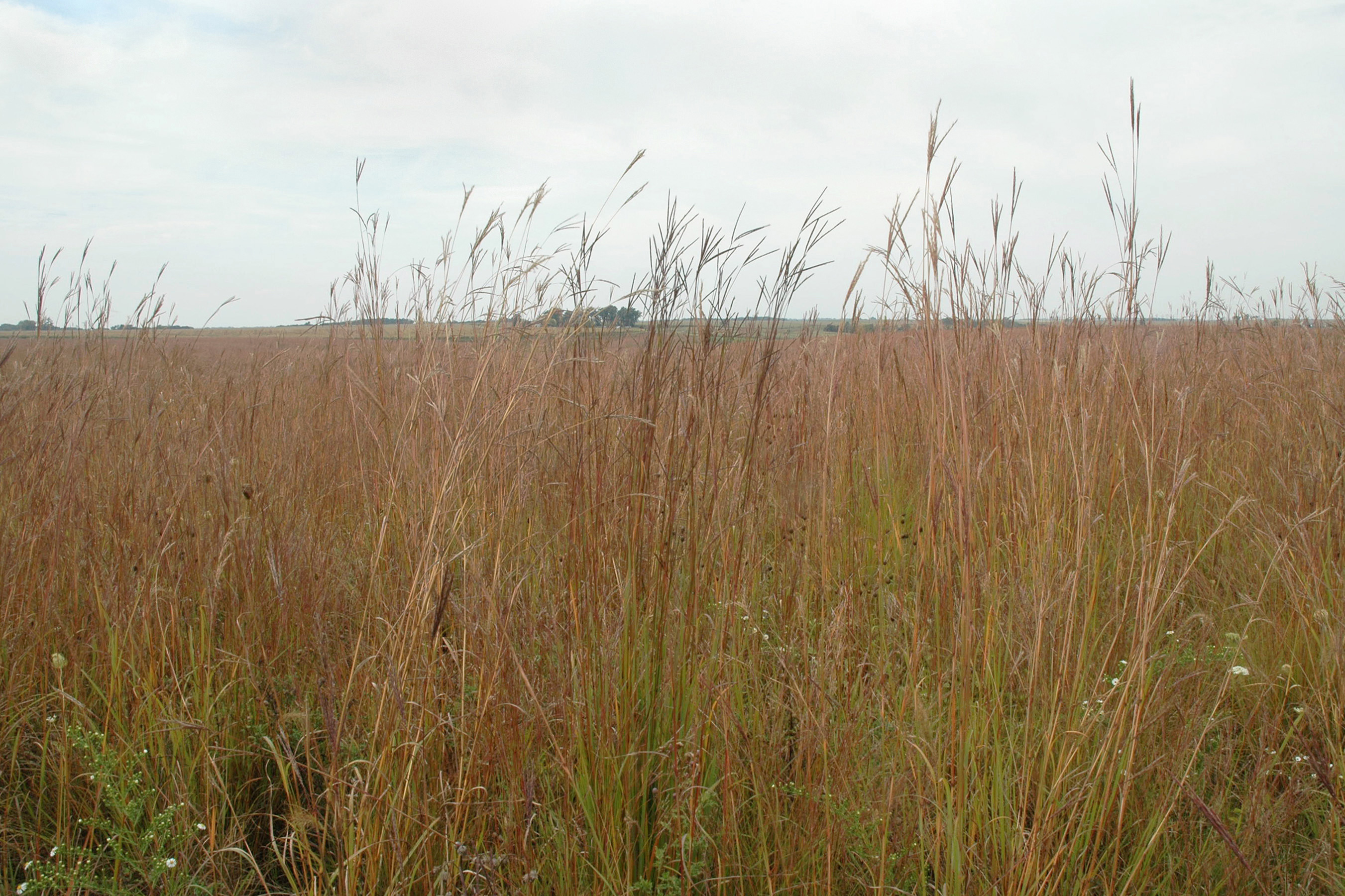
Farmers in Saskatchewan are preparing to use strychnine again to control gopher populations that damage crops [1, 2].
The return of the pesticide is a critical issue for agricultural producers who rely on effective pest management to protect crop yields and maintain soil integrity. Gophers cause significant damage to farmland, and farmers said strychnine is a primary tool in their management toolbox [1, 2].
Agricultural groups said they applaud the move to allow the restricted return of the chemical [2]. Supporters said the pesticide is an essential resource for managing rodent populations that otherwise threaten the productivity of the region's fields [1, 2].
However, the rollout of the pesticide has faced conflicting reports. While some agricultural groups welcome the return, municipalities in Alberta and Saskatchewan said farmers should not rely on the availability of strychnine for gopher control during the spring of 2024 [3].
These warnings suggest that regulatory or supply delays may prevent some producers from accessing the chemical during the peak control window. The timing is critical because gopher control is most effective when implemented early in the season [3].
Experts said they have raised concerns regarding the environmental impact of the chemical. Specifically, there are warnings about non-target poisonings, where animals other than gophers may ingest the pesticide [2]. This creates a tension between the immediate economic needs of farmers and the broader ecological risks associated with the toxin's use.
“Farmers in Saskatchewan are preparing to use strychnine again to control gopher populations.”
The debate over strychnine highlights the ongoing struggle between agricultural productivity and environmental safety. While farmers require potent tools to prevent crop loss, the risk of non-target poisoning and the inconsistency of regulatory availability create uncertainty for seasonal planning in the Canadian prairies.


