
U.S. Attorney Jay Clayton said his office is examining possible valuation discrepancies within the private-credit marketplace [1].
This scrutiny comes as regulators seek to ensure that the rapidly growing private-credit sector adheres to securities laws and provides accurate asset pricing. Because these assets lack the transparency of public markets, discrepancies in how they are valued can hide systemic risks or mislead investors.
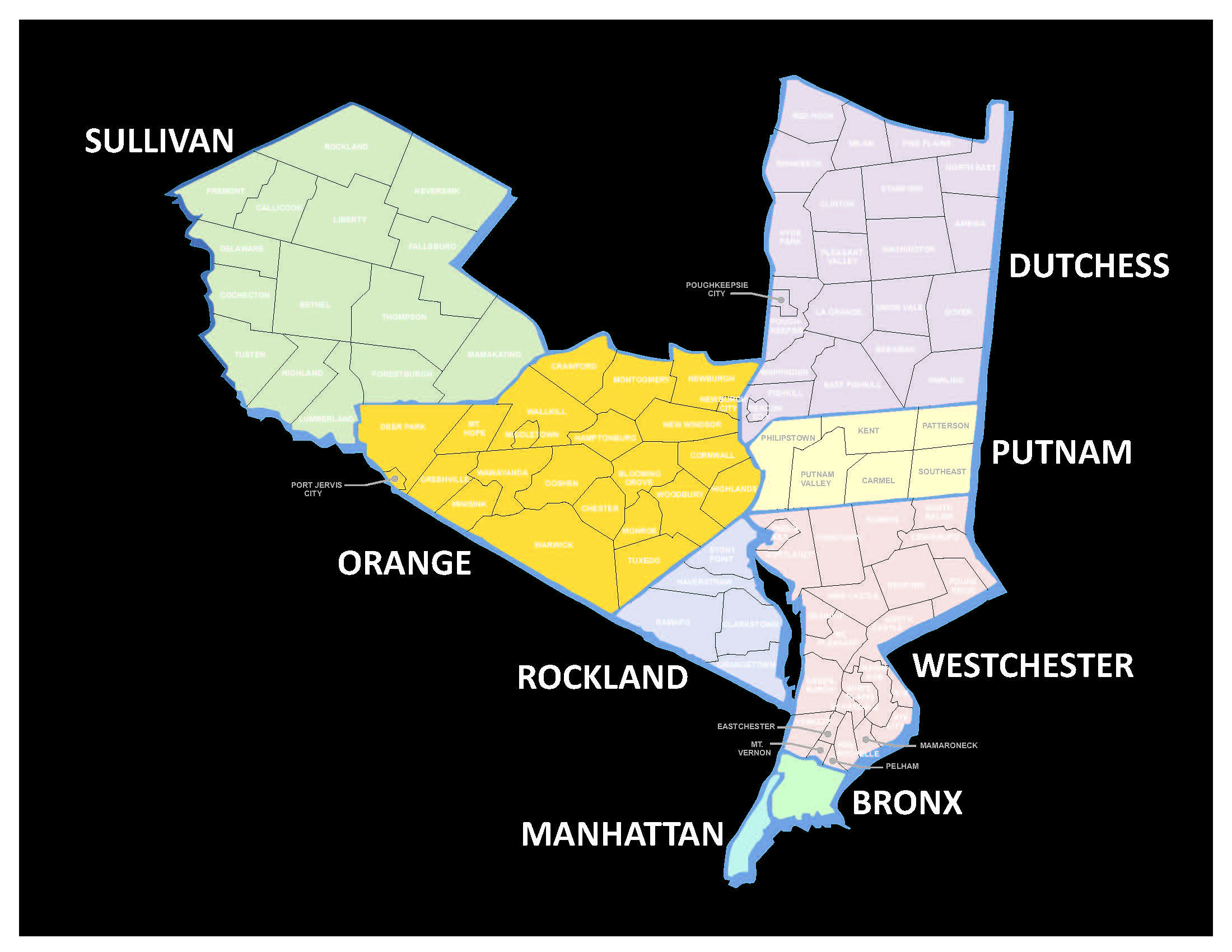
Clayton said the initiative during the Bloomberg Global Credit Forum in New York [1]. The Southern District of New York is focusing on whether assets are being overvalued to inflate performance metrics or maintain specific fund requirements [1].
The investigation aims to assess the integrity of the marks used to value these private holdings [2]. Unlike public stocks or bonds, which have real-time market prices, private credit relies on internal models or periodic appraisals, a process that can be subject to manipulation if not strictly monitored [3].
Clayton said the goal is to ensure compliance with existing securities laws [1]. The office is looking for patterns where valuation marks may not reflect the actual economic reality of the underlying loans [2].
This move signals a shift toward more aggressive oversight of non-bank lending. As traditional banks have faced tighter capital requirements, the private-credit market has expanded to fill the gap, drawing more attention from federal prosecutors in New York [3].
“The Southern District of New York is focusing on whether assets are being overvalued.”
The SDNY's focus on valuation marks suggests a regulatory pivot toward the 'shadow banking' sector. If federal prosecutors find systemic over-valuation, it could lead to a broader crackdown on how private equity and credit funds report their assets, potentially triggering a correction in how these high-yield instruments are priced and traded.


