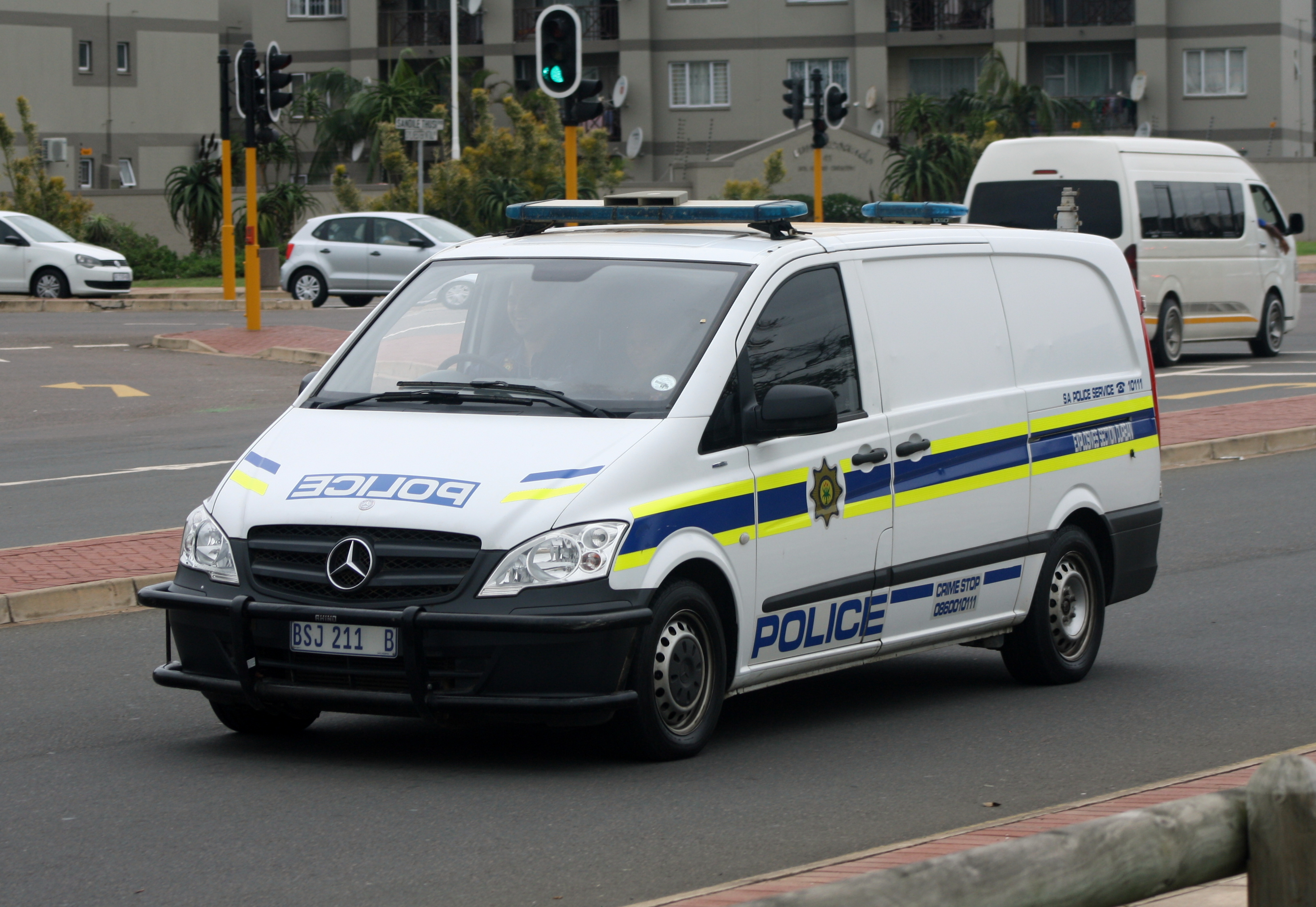
South Africa has extended the deadline for the Madlanga Commission of Inquiry to investigate corruption and political interference within its criminal justice system.
The extension allows the probe to delve deeper into allegations of criminality within law enforcement, which threatens the integrity of the nation's legal framework. The commission's work is critical for identifying how political influence may have compromised police operations.
President Cyril Ramaphosa granted the commission additional months to complete the investigation, setting the new deadline for Nov. 16, 2026 [3]. This move follows a series of high-profile public hearings aimed at exposing systemic failures and misconduct.
As of the 136th day of public hearings [1], the commission continues to examine the intersection of political power and police activity. Earlier in June, the proceedings had reached day 115 [4].
The inquiry's focus on law enforcement has already yielded tangible results. A task-team operation in Johannesburg recently led to the arrest of four people [2]. These arrests underscore the active nature of the investigation into alleged criminal networks operating within the state's security apparatus.
The commission is tasked with probing criminality, political interference, and corruption in law enforcement and the broader criminal justice system [2]. The scale of the investigation suggests a wide-reaching effort to purge corruption from the police force, a process that some observers suggest could take years to fully resolve [5].
By extending the timeline, the South African government has signaled that the probe will not be rushed, prioritizing a thorough accounting of misconduct over a quick conclusion. The ongoing hearings remain a focal point for public accountability as the state attempts to restore trust in its justice system.
“The commission's work is critical for identifying how political influence may have compromised police operations.”
The extension of the Madlanga Commission suggests that the volume of evidence regarding political interference in South African law enforcement is more extensive than initially anticipated. By shifting the deadline to late 2026, the government is acknowledging that uncovering systemic corruption within the police force requires a prolonged legal process to ensure that high-ranking officials and political actors are held accountable.


