
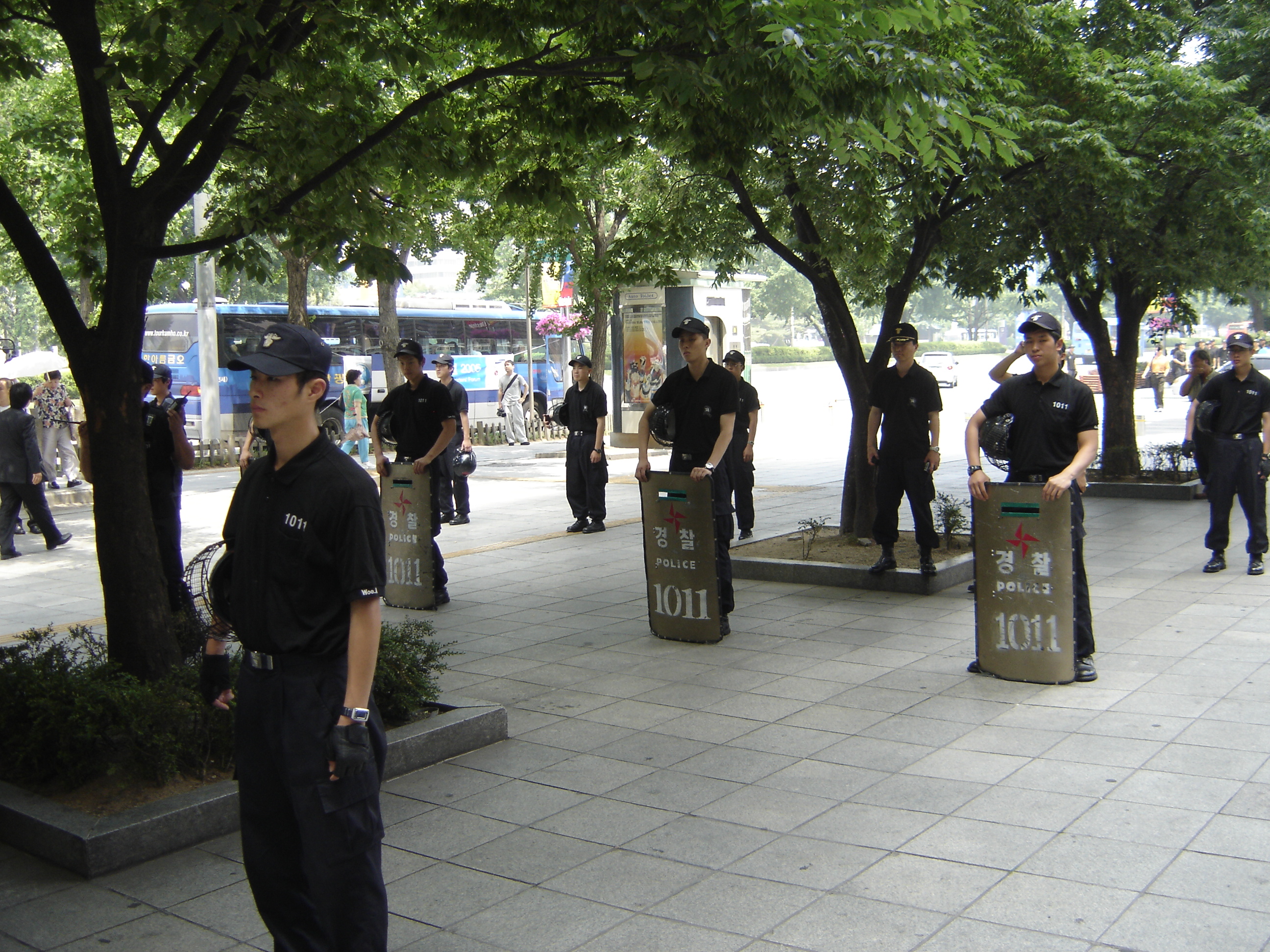
South Korean riot police removed protesters from a Seoul polling station after the group blocked access to the site for 35 hours [1].
The incident highlights tensions surrounding the administration of local elections and the impact of logistical failures on voter access. When basic voting materials are unavailable, it can lead to civil unrest and challenges to the legitimacy of the electoral process.
The standoff began after a shortage of ballot papers triggered a protest at the location [1]. Demonstrators remained at the site, preventing other citizens from entering the polling station to cast their votes. The disruption lasted for 35 hours [1] before law enforcement intervened to clear the area.
Police deployed riot units to disperse the crowd and restore order to the facility. The operation focused on removing the physical blockades to ensure that the local elections could proceed without further interference. The police action followed the prolonged standoff that had paralyzed the specific voting site [1].
Officials have not provided further details on the cause of the ballot paper shortage or how many voters were affected by the blockade. The use of riot police to clear a democratic voting site underscores the severity of the disruption caused by the shortage [1].
“South Korean riot police removed protesters from a Seoul polling station after the group blocked access to the site for 35 hours”
The clash between protesters and police at a polling station indicates a low tolerance for electoral mismanagement in South Korea. By blocking a site for over a day, protesters shifted from voicing a grievance about logistics to actively obstructing the franchise, forcing the state to use riot police to maintain the electoral schedule.


